Regular blood tests are a fundamental part of preventive healthcare. They provide valuable insight into how the body is functioning and can help detect health problems before symptoms appear.
In South Africa, where many chronic conditions such as diabetes and high blood pressure often go undiagnosed, routine blood testing plays a crucial role in early detection and effective management.
By identifying potential issues early, blood tests can help prevent complications and improve long-term health outcomes.
What Are Blood Tests?
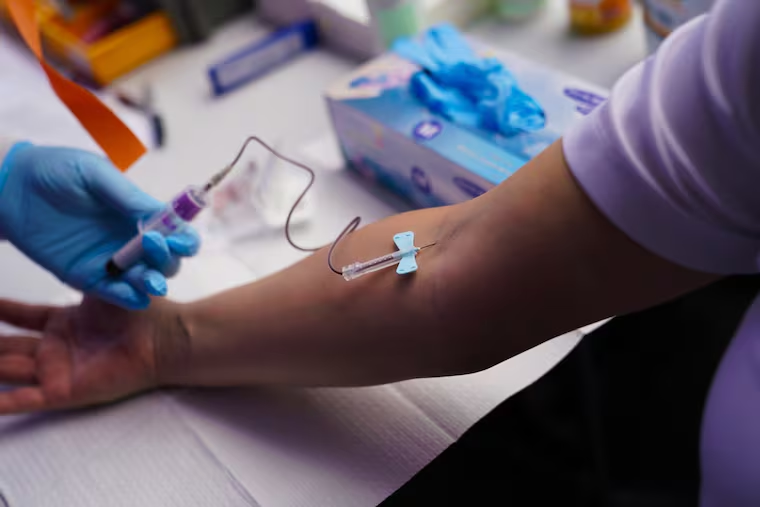
Blood tests are laboratory analyses performed on a sample of blood to assess various aspects of health.
They can provide information about:
- Organ function
- Blood sugar levels
- Cholesterol levels
- Nutrient deficiencies
- Infections
- Hormonal balance
Blood tests are commonly requested during routine checkups or when investigating symptoms.
Why Regular Blood Tests Are Important
1. Early Detection of Diseases
Many conditions develop without noticeable symptoms.
Blood tests can help detect:
- Diabetes
- High cholesterol
- Kidney disease
- Liver problems
Early detection allows for timely treatment.
2. Monitoring Existing Conditions
For individuals with diagnosed conditions, blood tests help:
- Track disease progression
- Evaluate treatment effectiveness
- Adjust medication if necessary
3. Assessing Overall Health
Routine blood tests provide a general picture of health and may identify risk factors before disease develops.
4. Preventing Complications
Identifying abnormalities early can prevent serious complications such as:
- Heart disease
- Stroke
- Organ damage
Common Types of Blood Tests
1. Full Blood Count (FBC)
Evaluates overall health and detects conditions such as anemia or infection.
2. Blood Glucose Test
Measures blood sugar levels to detect diabetes or prediabetes.
3. Lipid Profile
Checks cholesterol levels, including:
- LDL (bad cholesterol)
- HDL (good cholesterol)
- Triglycerides
4. Liver Function Tests
Assess how well the liver is working.
5. Kidney Function Tests
Evaluate how effectively the kidneys filter waste from the blood.
6. Thyroid Function Tests
Measure hormone levels that regulate metabolism.
Who Should Get Regular Blood Tests?
Blood tests are beneficial for:
- Adults during routine health checkups
- Individuals with chronic conditions
- People with a family history of disease
- Individuals over the age of 40
- Those with lifestyle risk factors
A healthcare provider can recommend appropriate tests.
How Often Should Blood Tests Be Done?
Frequency depends on individual health needs.
General guidelines:
- Healthy adults: Once a year
- Individuals with chronic conditions: More frequent testing
- High-risk individuals: As advised by a healthcare provider
Blood Testing in South Africa
In South Africa, blood tests are available through:
- Public healthcare facilities
- Private clinics and laboratories
- Workplace health programs
The World Health Organization highlights the importance of diagnostic testing in improving global health outcomes.
Access may vary depending on location and resources.
Preparing for a Blood Test
Some tests may require preparation.
Common instructions include:
- Fasting for several hours (for glucose or cholesterol tests)
- Avoiding certain medications (if advised)
- Staying hydrated
Always follow the instructions provided by your healthcare provider.
Understanding Blood Test Results
Results are usually compared to a normal reference range.
Important points:
- A single abnormal result does not always mean disease
- Results should be interpreted by a healthcare professional
- Follow-up tests may be required
Avoid self-diagnosis based on results alone.
Barriers to Regular Blood Testing
Some individuals may not undergo testing due to:
- Fear of needles
- Cost concerns
- Lack of awareness
- Limited access to healthcare facilities
Improving awareness can encourage more people to participate in routine testing.
The Role of Blood Tests in Preventive Care
Blood tests support preventive care by:
- Identifying risk factors early
- Monitoring health over time
- Guiding lifestyle and treatment decisions
They are an essential part of maintaining long-term health.
When to Consult a Healthcare Provider
Seek medical advice if:
- You have not had a recent blood test
- You experience unexplained symptoms
- You have a family history of illness
- You are managing a chronic condition
Regular consultation ensures proper interpretation and follow-up.
Regular blood tests are a powerful tool for maintaining health and preventing disease. They provide valuable information that supports early detection, effective treatment, and long-term health management.
In South Africa, increasing awareness and access to routine blood testing can significantly improve health outcomes and reduce the burden of chronic disease.
Taking a proactive approach to health through regular testing is an important step toward a healthier future.

Related Posts