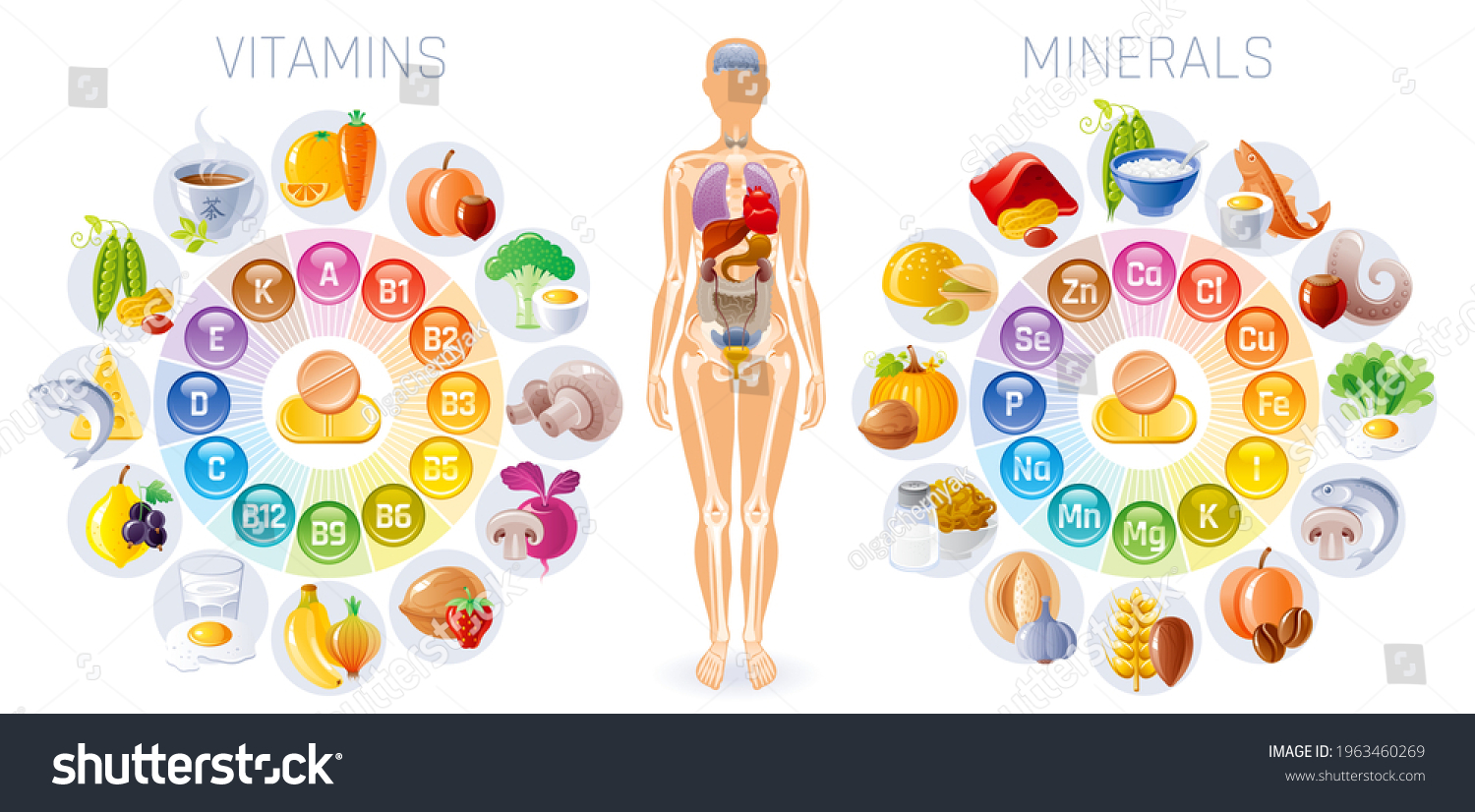
Vitamins and minerals are essential nutrients that the body needs to function properly. Although required in small amounts, they play a crucial role in maintaining health, supporting growth, and preventing disease.
In South Africa, both nutrient deficiencies and poor dietary habits remain public health concerns. A lack of essential vitamins and minerals can lead to weakened immunity, fatigue, and increased risk of illness.
Understanding the role of these nutrients can help individuals make informed dietary choices and maintain optimal health.
What Are Vitamins and Minerals?
Vitamins and minerals are known as micronutrients because they are needed in small quantities compared to carbohydrates, proteins, and fats.
They are essential for:
- Growth and development
- Immune system function
- Energy production
- Bone and muscle health
Unlike some nutrients, the body cannot produce most vitamins and minerals, so they must be obtained from food.
Types of Vitamins
Vitamins are classified into two main groups:
1. Fat-Soluble Vitamins
These vitamins are stored in the body’s fat tissues.
They include:
- Vitamin A
- Vitamin D
- Vitamin E
- Vitamin K
They are absorbed along with dietary fats.
2. Water-Soluble Vitamins
These are not stored in large amounts and need to be consumed regularly.
They include:
- Vitamin C
- B-complex vitamins (such as B1, B2, B6, B12)
Excess amounts are usually excreted in urine.
Key Vitamins and Their Functions
Vitamin A
Supports:
- Vision
- Immune function
- Skin health
Sources include carrots, spinach, and liver.
Vitamin C
Important for:
- Immune defense
- Wound healing
- Antioxidant protection
Found in citrus fruits and vegetables.
Vitamin D
Essential for:
- Bone health
- Calcium absorption
Sunlight exposure is a major source.
B Vitamins
Help with:
- Energy production
- Brain function
- Red blood cell formation
Found in whole grains, meat, and legumes.
What Are Minerals?
Minerals are inorganic nutrients that support various body functions.
They are divided into:
- Major minerals (needed in larger amounts)
- Trace minerals (needed in smaller amounts)
Key Minerals and Their Functions
Calcium
Supports:
- Strong bones and teeth
- Muscle function
Sources include dairy products and leafy greens.
Iron
Essential for:
- Oxygen transport in the blood
Low iron levels can lead to anemia.
Sources include red meat, beans, and fortified foods.
Zinc
Supports:
- Immune function
- Wound healing
Found in meat, seeds, and nuts.
Potassium
Helps regulate:
- Fluid balance
- Muscle contractions
- Blood pressure
Found in fruits and vegetables.
Why Vitamins and Minerals Are Important
These nutrients are vital for:
- Strengthening the immune system
- Supporting growth and development
- Preventing deficiencies
- Reducing risk of chronic diseases
The World Health Organization emphasizes adequate micronutrient intake as essential for public health.
Common Nutrient Deficiencies in South Africa
Some common deficiencies include:
- Iron deficiency
- Vitamin A deficiency
- Iodine deficiency
These can result from:
- Poor diet
- Limited food variety
- Socioeconomic challenges
Addressing these deficiencies is important for improving health outcomes.
Symptoms of Vitamin and Mineral Deficiencies
Deficiencies may cause:
- Fatigue
- Weak immune system
- Poor concentration
- Hair loss
- Bone weakness
Symptoms vary depending on the nutrient involved.
How to Get Enough Vitamins and Minerals
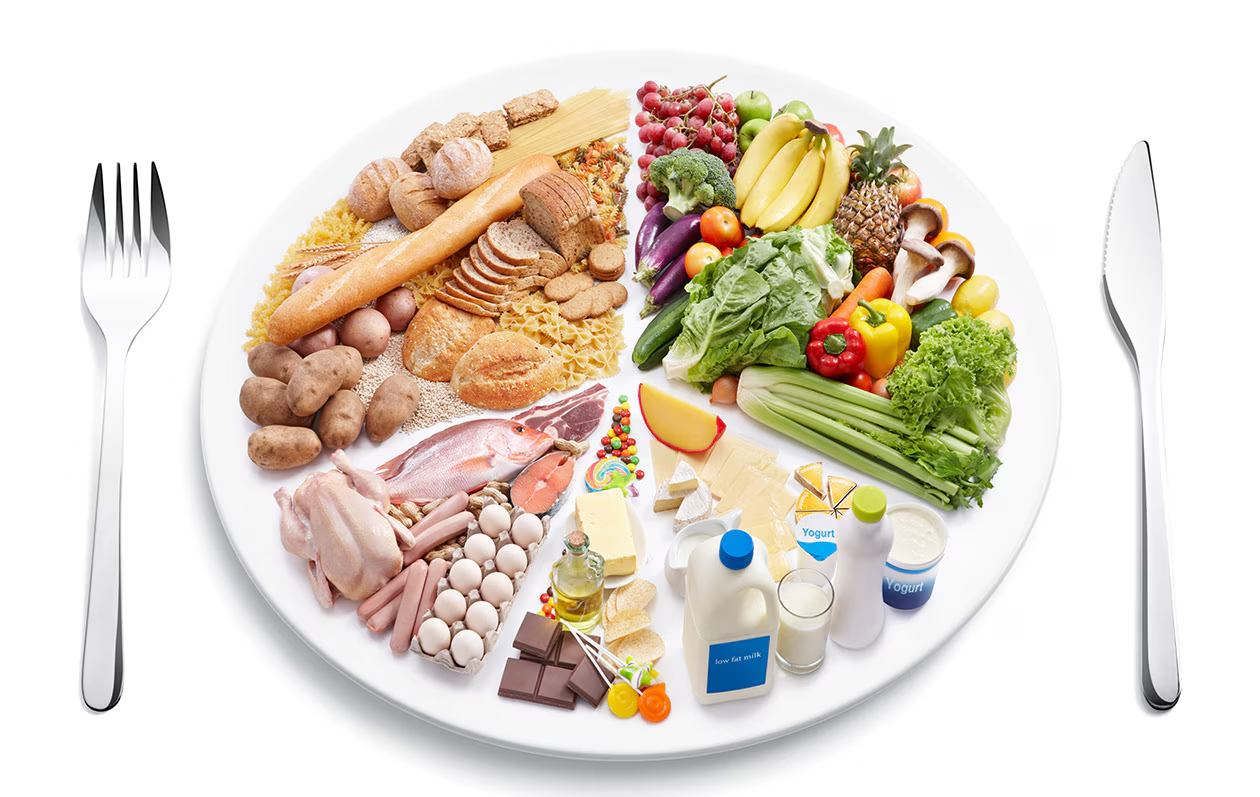
1. Eat a Variety of Foods
Include:
- Fruits and vegetables
- Whole grains
- Proteins
- Dairy or alternatives
2. Choose Whole Foods
Whole foods are richer in nutrients compared to processed foods.
3. Include Seasonal and Local Foods
Locally available foods can provide essential nutrients and are often more affordable.
4. Limit Processed Foods
Highly processed foods are often low in essential nutrients.
Do You Need Supplements?
In some cases, supplements may be necessary.
They may be recommended for:
- Pregnant women
- Individuals with deficiencies
- People with restricted diets
However, supplements should only be taken under professional guidance.
The Link Between Micronutrients and Disease Prevention
Adequate intake of vitamins and minerals can help reduce the risk of:
- Heart disease
- Weakened immunity
- Certain chronic conditions
Proper nutrition plays a key role in long-term health.
When to Seek Professional Advice
Consult a healthcare provider if:
- You suspect a deficiency
- You experience persistent symptoms
- You are considering supplements
Proper diagnosis and guidance are important.
Vitamins and minerals are essential for maintaining health and preventing disease. Even though they are required in small amounts, their impact on the body is significant.
In South Africa, improving awareness about proper nutrition and ensuring access to nutrient-rich foods can help address common deficiencies and improve public health.
A balanced and varied diet remains the best way to meet your nutritional needs and support overall well-being.

Related Posts