Maintaining a healthy weight is an important part of overall health and well-being. One of the key factors that influence weight is calorie intake. Understanding how calories work can help individuals make informed decisions about their diet and lifestyle.
In South Africa, rising rates of overweight and obesity have become a growing public health concern. These conditions increase the risk of chronic diseases such as diabetes, heart disease, and high blood pressure.
Learning how to manage calorie intake effectively can support long-term health and reduce these risks.
What Are Calories?
Calories are units of energy that the body uses to function.
The body needs energy for:
- Breathing
- Circulation
- Physical activity
- Digestion
- Maintaining body temperature
Food and drinks provide calories, which fuel these processes.
How Calories Affect Weight
Weight management is influenced by the balance between calories consumed and calories used.
Calorie Balance
- Calorie surplus: Consuming more calories than the body needs may lead to weight gain
- Calorie deficit: Consuming fewer calories than the body needs may lead to weight loss
- Calorie balance: Consuming and using equal calories helps maintain weight
Factors That Influence Calorie Needs
Calorie requirements vary from person to person.
They depend on:
- Age
- Gender
- Body size
- Activity level
- Metabolism
A healthcare provider can help determine individual needs.
Understanding Basal Metabolic Rate (BMR)
Basal Metabolic Rate (BMR) is the number of calories the body needs at rest to maintain basic functions.
It accounts for a large portion of daily energy use.
Physical Activity and Calories
Physical activity increases the number of calories the body uses.
Examples include:
- Walking
- Running
- Household chores
- Exercise
Regular activity supports weight management and overall health.
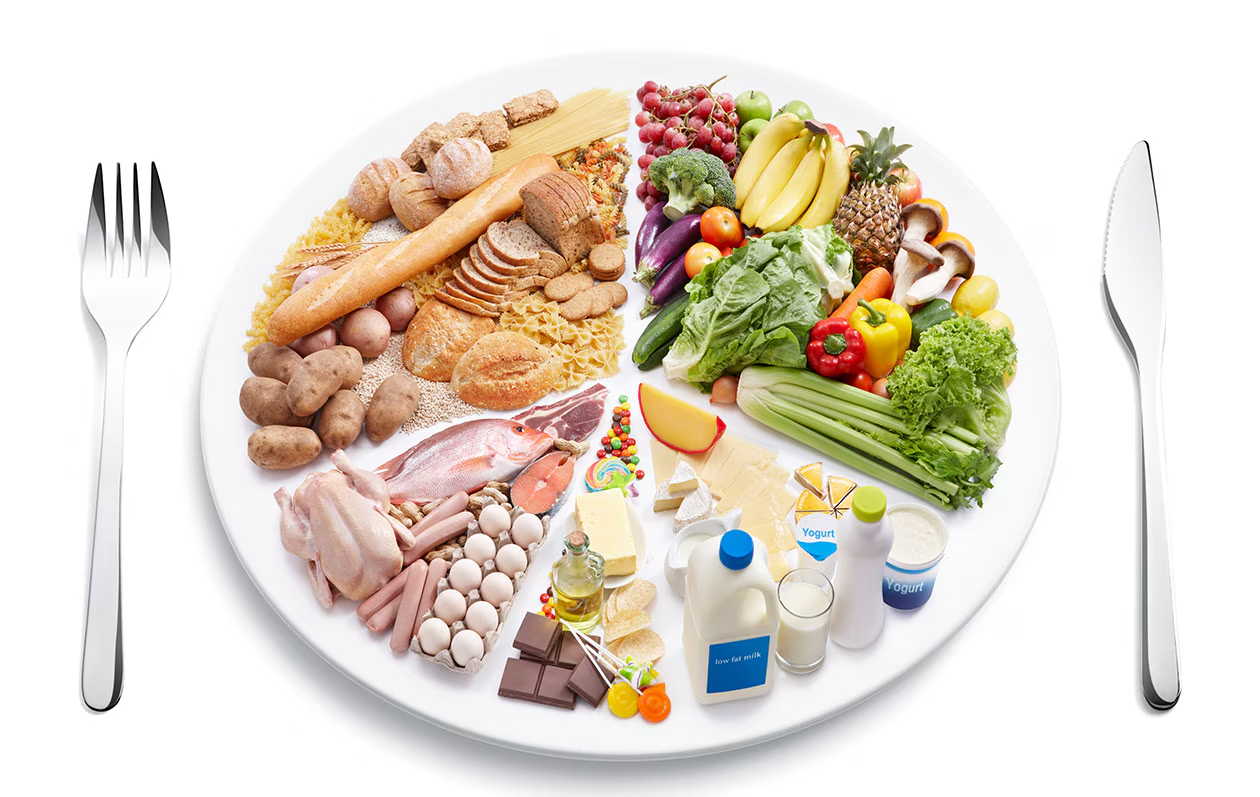
The Importance of Diet Quality
Not all calories are equal in terms of nutritional value.
Nutrient-Dense Foods
Provide essential nutrients along with calories:
- Fruits and vegetables
- Whole grains
- Lean proteins
Energy-Dense Foods
High in calories but low in nutrients:
- Sugary snacks
- Fried foods
- Processed foods
Choosing nutrient-dense foods supports better health.
Portion Control and Eating Habits
Managing portion sizes helps regulate calorie intake.
Tips include:
- Using smaller plates
- Avoiding second servings
- Eating slowly
- Paying attention to hunger and fullness cues
Weight Management in South Africa
South Africa faces increasing rates of:
- Overweight and obesity
- Lifestyle-related diseases
Contributing factors include:
- Urbanization
- Sedentary lifestyles
- Increased consumption of processed foods
The World Health Organization emphasizes the importance of balanced diets and physical activity in managing weight and preventing disease.
Healthy Strategies for Weight Management
1. Eat Balanced Meals
Include:
- Vegetables
- Whole grains
- Proteins
- Healthy fats
2. Stay Physically Active
Regular activity helps burn calories and maintain fitness.
3. Limit Sugary Drinks
Sugary beverages contribute excess calories without providing nutrients.
4. Plan Meals Ahead
Meal planning reduces reliance on unhealthy food choices.
5. Stay Hydrated
Sometimes thirst can be mistaken for hunger.
6. Get Enough Sleep
Poor sleep can affect appetite and weight regulation.
Common Myths About Calories and Weight
Myth 1: Skipping Meals Helps with Weight Loss
Skipping meals may lead to overeating later.
Myth 2: All Calories Are the Same
The source of calories matters for overall health.
Myth 3: Extreme Diets Are Effective
Restrictive diets are often not sustainable and may harm health.
The Link Between Weight and Health
Maintaining a healthy weight can help reduce the risk of:
- Type 2 diabetes
- Heart disease
- High blood pressure
- Joint problems
Healthy weight management supports long-term well-being.
When to Seek Professional Advice
Consult a healthcare provider if:
- You are struggling with weight management
- You have a chronic condition
- You are considering significant dietary changes
Professional guidance can help ensure safe and effective strategies.
Understanding calories is an important step toward achieving and maintaining a healthy weight. By balancing calorie intake with physical activity and focusing on nutrient-rich foods, individuals can improve their overall health.
In South Africa, promoting awareness about healthy weight management is essential for addressing the growing burden of lifestyle-related diseases.
Sustainable, balanced approaches to eating and physical activity are key to long-term success.

Related Posts