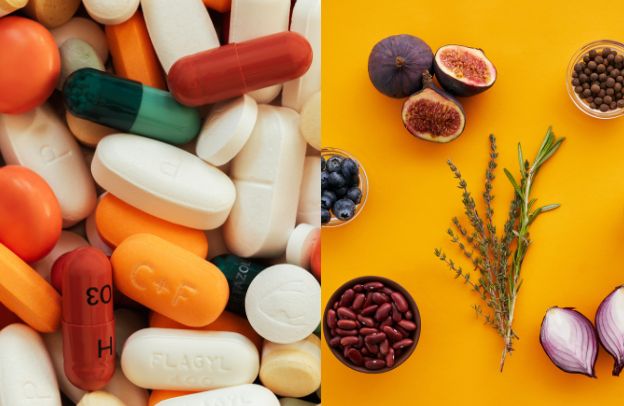
In South Africa, healthcare includes both modern medical treatments and traditional healing practices. Many people use one or both systems depending on culture, accessibility, and personal belief.
Understanding the differences between traditional medicine and modern medicine is important for making safe and informed health decisions.
Both systems have value, but they also have limitations and risks if not used responsibly.
What Is Modern Medicine?
Modern medicine (also called Western medicine) is based on scientific research, clinical trials, and evidence-based practice.
It includes:
- Prescription medications
- Surgery
- Laboratory testing
- Vaccinations
- Hospital-based care
Modern medicine focuses on diagnosing and treating diseases using scientifically proven methods.
What Is Traditional Medicine?
Traditional medicine refers to healing practices that have been used for generations, often based on cultural beliefs and natural remedies.
In South Africa, traditional healing may include:
- Herbal remedies
- Spiritual healing practices
- Consultations with traditional healers
It is an important part of cultural heritage for many communities.
Benefits of Modern Medicine
Modern medicine is effective for:
- Treating infections
- Managing chronic diseases
- Performing surgeries
- Emergency care
It is supported by scientific evidence and standardized testing.
Benefits of Traditional Medicine
Traditional medicine may offer:
- Cultural and spiritual support
- Natural herbal remedies
- Accessibility in rural areas
- Holistic approaches to wellness
Some herbal treatments may have medicinal properties, but not all are scientifically tested.
Risks of Traditional Medicine
Potential risks include:
- Lack of dosage control
- Possible toxic substances
- Delayed medical treatment
- Interaction with prescribed medications
Not all traditional remedies are safe or regulated.
Risks of Modern Medicine Misuse
Even modern medicine can be harmful if misused:
- Incorrect dosage
- Self-medication
- Overuse of antibiotics or painkillers
- Ignoring medical advice
Can Traditional and Modern Medicine Be Used Together?
In some cases, both systems can be used together, but caution is required.
Important guidelines:
- Always inform your doctor about traditional remedies
- Avoid mixing treatments without guidance
- Monitor for side effects or interactions
Safe integration depends on proper communication with healthcare professionals.
Healthcare in South Africa
South Africa has a dual healthcare landscape where both systems are widely used.
The World Health Organization recognizes the importance of traditional medicine while emphasizing safety, regulation, and scientific validation.
When to Rely on Modern Medicine
Modern medical care should be prioritized for:
- Emergencies
- Severe infections
- Chronic diseases (diabetes, hypertension)
- Surgical conditions
When Traditional Medicine May Be Used
Traditional medicine may be used for:
- Cultural practices
- Minor wellness support
- Complementary care (with medical approval)
Importance of Informed Health Decisions
Making informed decisions helps:
- Prevent complications
- Improve treatment outcomes
- Ensure safety
- Avoid harmful interactions
The Role of Healthcare Professionals
Doctors and pharmacists can:
- Guide safe treatment options
- Identify harmful interactions
- Monitor chronic conditions
- Provide evidence-based care
Traditional healers may also play a supportive cultural role, but coordination with medical care is important.
Both traditional and modern medicine play important roles in South Africa’s healthcare system. While modern medicine is based on scientific evidence, traditional medicine remains an important cultural practice for many people.
Understanding the strengths and limitations of each system helps individuals make safer and more informed health decisions.
For best outcomes, healthcare choices should always prioritize safety, evidence, and professional guidance.

Related Posts