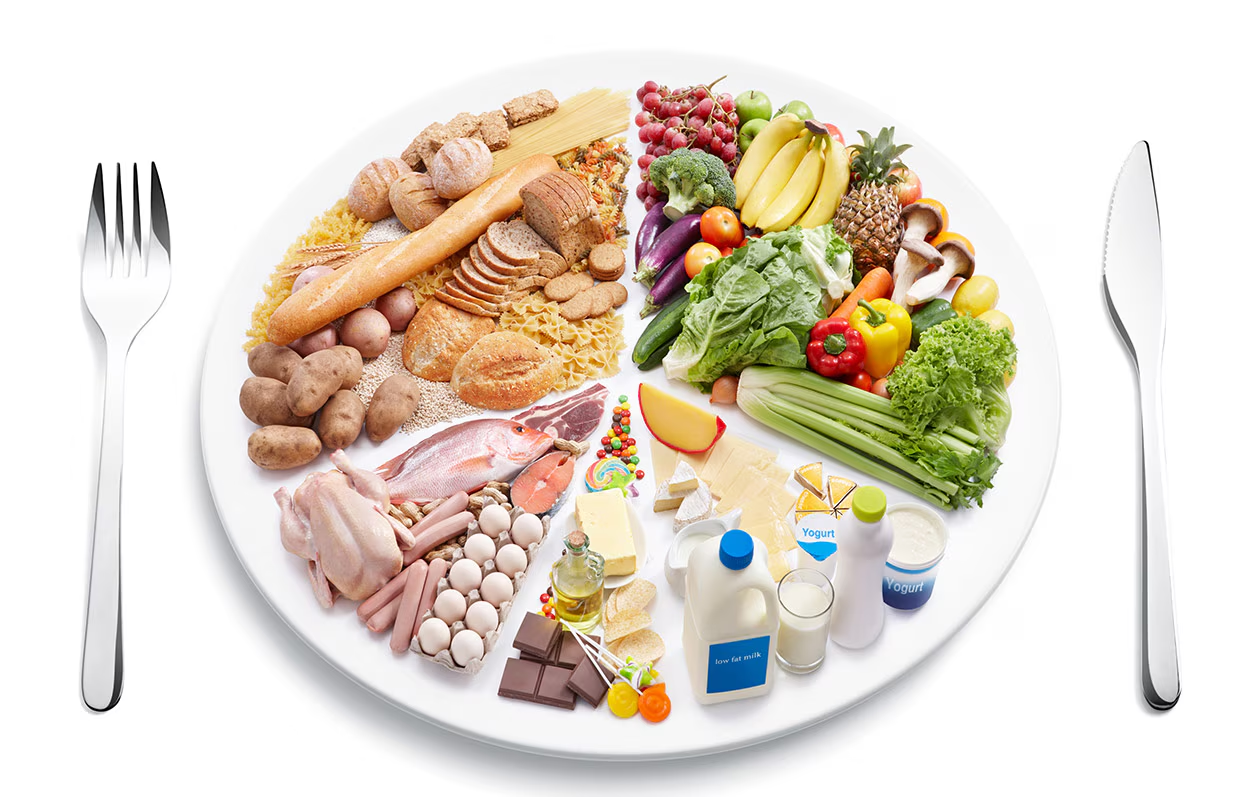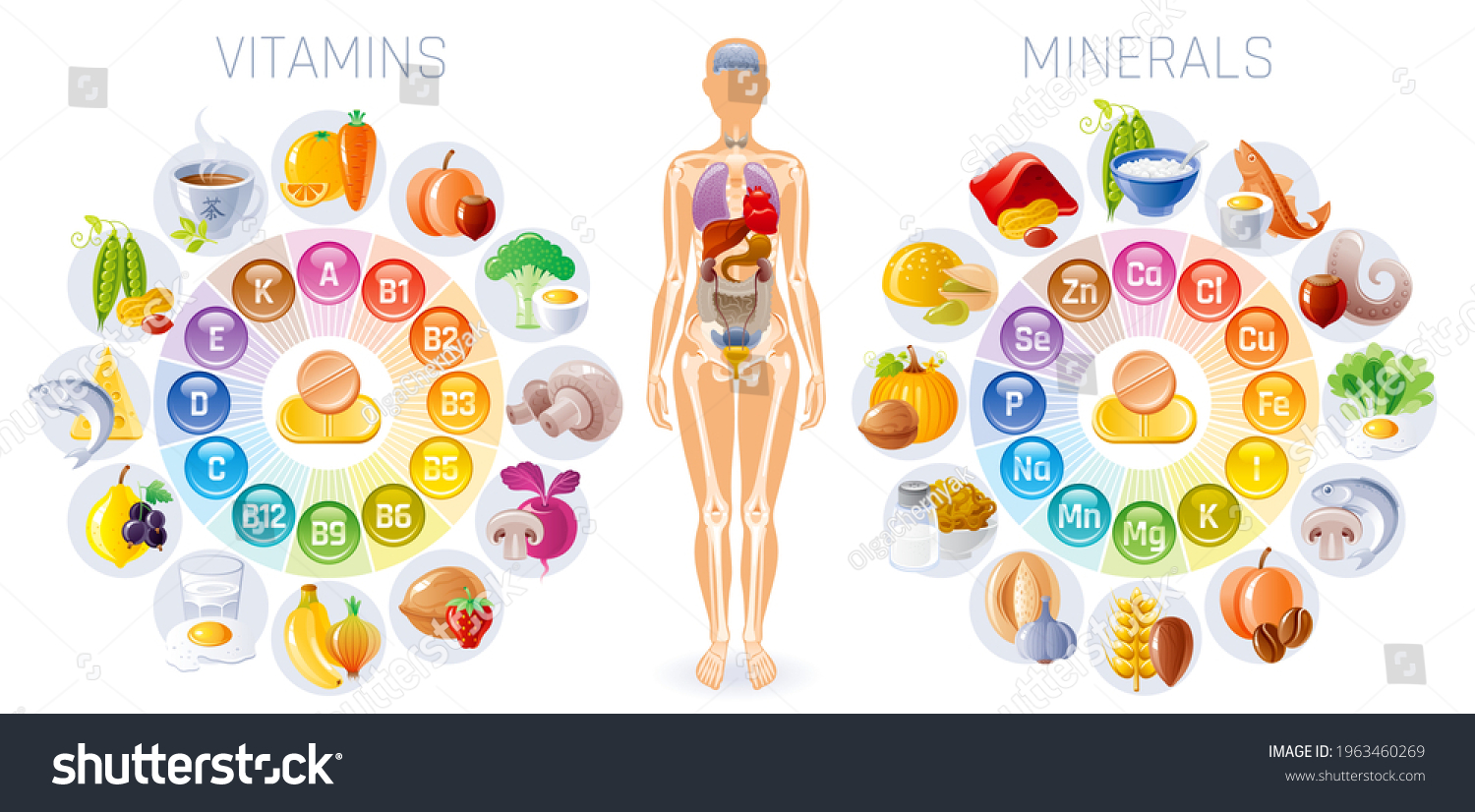
Eating healthy is often perceived as expensive, but it is possible to maintain a nutritious diet without spending a lot of money. In South Africa, many households face financial challenges that make it difficult to prioritize healthy food choices.
However, with proper planning and smart decisions, individuals and families can enjoy balanced meals while staying within their budget. Affordable nutrition is essential for maintaining health, preventing disease, and improving overall well-being.
Why Healthy Eating Matters
A balanced diet supports:
- Energy levels
- Immune function
- Growth and development
- Prevention of chronic diseases
The World Health Organization emphasizes that access to nutritious food is essential for good health.
Common Challenges to Healthy Eating on a Budget
Many people face obstacles such as:
- Rising food prices
- Limited access to fresh produce
- Dependence on cheaper processed foods
- Lack of nutrition knowledge
Understanding these challenges helps in finding practical solutions.
Practical Tips for Eating Healthy on a Budget
1. Plan Your Meals
Meal planning helps you:
- Avoid unnecessary spending
- Reduce food waste
- Make healthier choices
Creating a weekly meal plan can save both time and money.
2. Buy in Bulk
Staple foods such as:
- Rice
- Beans
- Maize meal
- Lentils
are often cheaper when purchased in larger quantities.
3. Choose Seasonal Foods
Seasonal fruits and vegetables are usually:
- More affordable
- Fresher
- More nutritious
4. Cook at Home
Preparing meals at home allows better control over:
- Ingredients
- Portion sizes
- Costs
Home-cooked meals are often healthier than takeaways.
5. Limit Processed Foods
Processed foods may seem cheaper but are often:
- Low in nutrients
- High in sugar, salt, and unhealthy fats
Choosing whole foods provides better value for health.
6. Use Affordable Protein Sources
Protein does not have to be expensive.
Affordable options include:
- Beans
- Lentils
- Eggs
- Tinned fish
7. Reduce Food Waste
Ways to reduce waste:
- Store food properly
- Use leftovers creatively
- Buy only what you need
8. Compare Prices
Check prices at different stores and look for discounts.
9. Grow Your Own Food (If Possible)
Small home gardens can provide:
- Fresh vegetables
- Cost savings
Affordable Healthy Meal Ideas
Breakfast
- Oats with fruit
- Brown bread with peanut butter
Lunch
- Bean stew with maize meal
- Vegetable soup
Dinner
- Rice with vegetables and protein
- Lentil curry
The Importance of Food Variety
Even on a budget, aim to include:
- Fruits and vegetables
- Whole grains
- Proteins
Variety ensures the body receives essential nutrients.
Nutrition and Long-Term Health
Poor diet can increase the risk of:
- Obesity
- Diabetes
- Heart disease
Healthy eating, even on a budget, can reduce these risks.
When to Seek Advice
Consult a healthcare provider or nutrition expert if:
- You have specific dietary needs
- You are managing a health condition
- You need help planning meals
Healthy eating does not have to be expensive. With proper planning, smart shopping, and informed choices, it is possible to maintain a balanced diet on a budget.
In South Africa, improving access to affordable nutrition is key to promoting better health and reducing disease risk.
Small, consistent changes can lead to long-term benefits for individuals and families.

Related Posts