Medication labels provide essential information that helps ensure medicines are used safely and effectively. However, many people do not fully understand what the information on these labels means, which can lead to misuse, incorrect dosing, or harmful side effects.
In South Africa, both prescription and over-the-counter medications include labels designed to guide patients. Learning how to read and interpret these labels is an important step toward safe medication use and better health outcomes.
What Is a Medication Label?
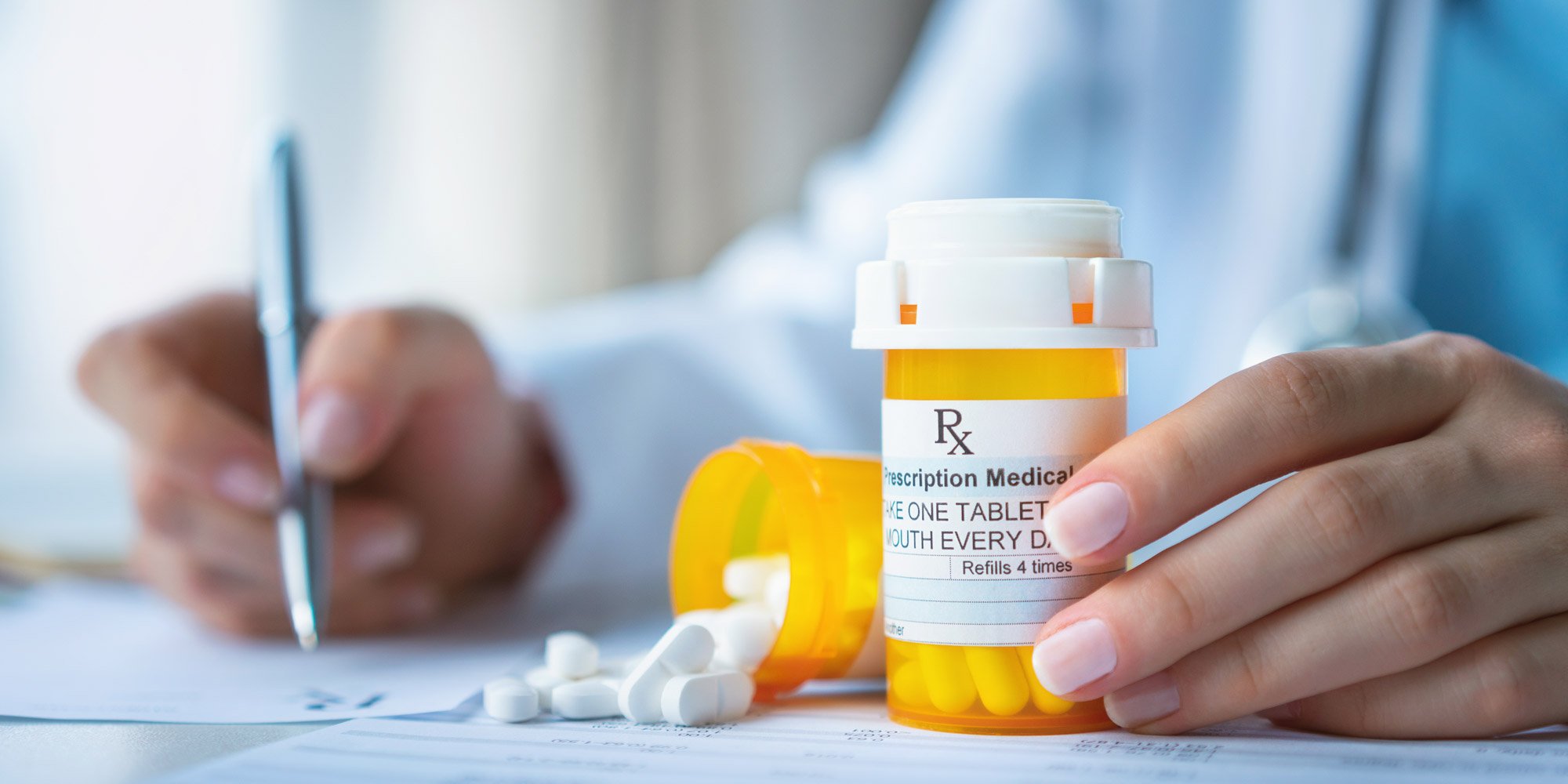
A medication label is the information printed on the packaging of a medicine. It provides instructions on how to use the medication safely.
It typically includes:
- Drug name
- Dosage instructions
- Active ingredients
- Warnings
- Expiry date
Understanding each section is essential for proper use.
Key Parts of a Medication Label
1. Medication Name
The label shows:
- Brand name
- Generic name
For example, a medicine may contain Paracetamol as the active ingredient.
Knowing the generic name helps avoid taking multiple medicines with the same ingredient.
2. Active Ingredients
This section tells you what substances are in the medication and their strength.
This is important for:
- Avoiding overdoses
- Preventing drug interactions
3. Dosage Instructions
This section explains:
- How much to take
- How often to take it
- How long to use it
Following dosage instructions carefully helps prevent harm.
4. Directions for Use
Directions may include:
- Whether to take with food
- How to measure liquid medicine
- Specific timing instructions
5. Warnings and Precautions
Warnings may include:
- Possible side effects
- Who should avoid the medication
- Interactions with other drugs or alcohol
Always read this section carefully.
6. Expiry Date
The expiry date indicates how long the medication remains safe and effective.
Do not use medications past this date.
7. Storage Instructions
Labels may specify how to store the medicine, such as:
- Keep in a cool, dry place
- Protect from sunlight
- Refrigerate if necessary
Proper storage maintains effectiveness.
Why Reading Medication Labels Is Important
Understanding medication labels helps:
- Prevent overdosing
- Avoid harmful interactions
- Ensure correct usage
- Improve treatment effectiveness
Common Mistakes to Avoid
1. Ignoring Dosage Instructions
Taking more or less than recommended can be harmful.
2. Mixing Medications Without Checking Ingredients
This can lead to accidental overdose.
3. Skipping Warning Labels
Warnings are essential for safety.
4. Using Expired Medication
Expired medicines may be less effective or unsafe.
Special Considerations
For Children
- Use correct dosages based on age and weight
- Avoid adult medications unless prescribed
For Older Adults
- Be cautious of multiple medications
- Watch for interactions
For Chronic Conditions
Always consult a healthcare provider before using new medications.
Medication Safety in South Africa
In South Africa, medication labeling is regulated to ensure patient safety. Pharmacists and healthcare providers also play a key role in explaining medication use.
The World Health Organization promotes safe medication practices globally.
When to Ask for Help
Speak to a healthcare provider or pharmacist if:
- You do not understand the label
- You are taking multiple medications
- You experience side effects
Tips for Safe Medication Use
- Always read labels before use
- Keep medications in original packaging
- Use proper measuring tools
- Follow instructions carefully
Medication labels are an essential source of information for safe and effective treatment. Understanding how to read them helps prevent mistakes, reduces risks, and improves health outcomes.
In South Africa, increasing awareness about medication safety is an important step toward better healthcare practices.
Always take the time to read and understand medication labels before use.

Related Posts