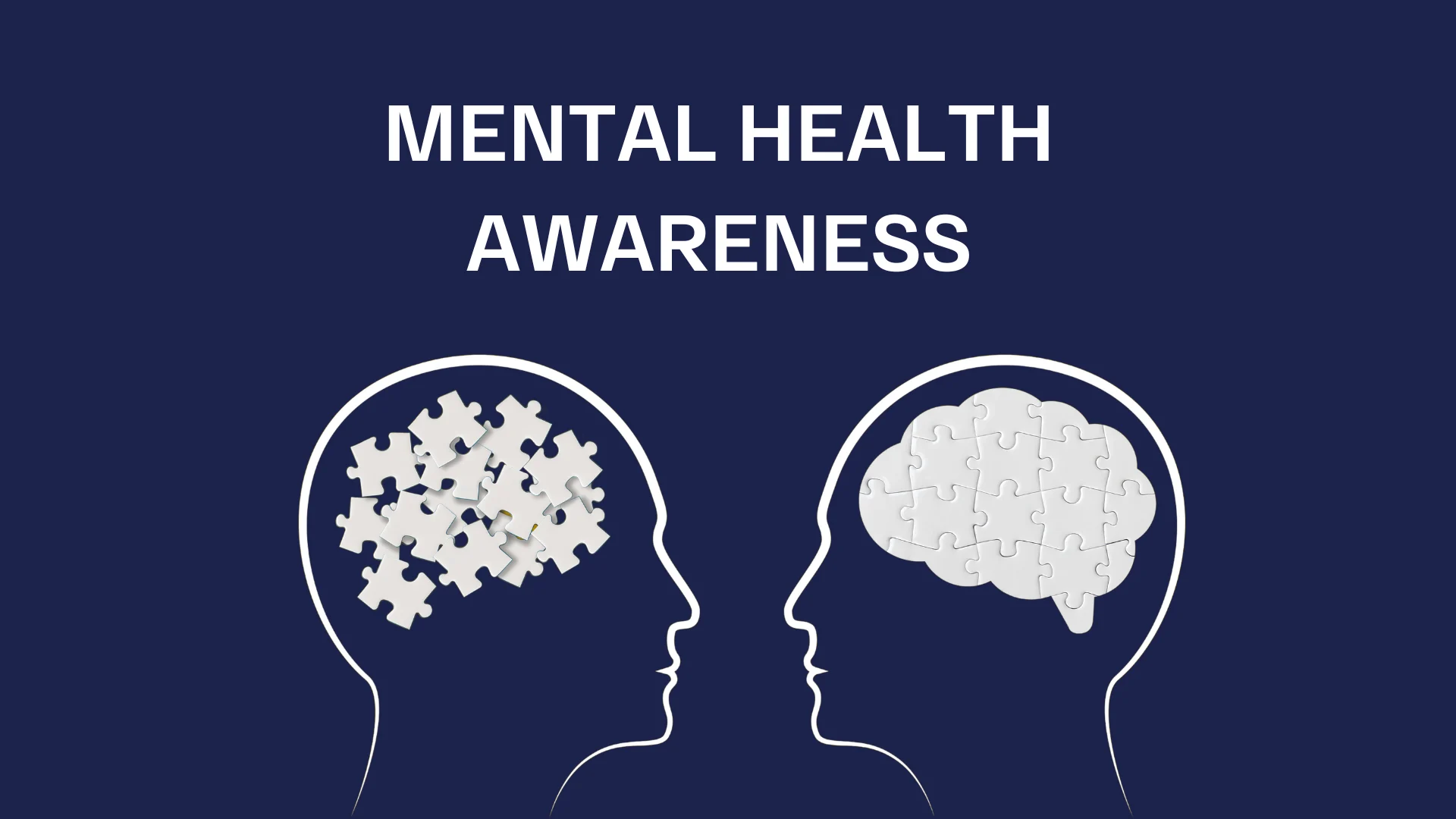
Emotional well-being is a key part of overall health. It affects how people think, feel, and behave in their daily lives. It also influences how individuals handle stress, build relationships, and make decisions.
In South Africa, many people face challenges such as financial stress, work pressure, and social issues that can affect emotional health. Maintaining emotional well-being is essential for leading a balanced and fulfilling life.
Understanding and caring for your emotional health is just as important as maintaining your physical health.
What Is Emotional Well-Being?
Emotional well-being refers to the ability to:
- Manage emotions effectively
- Cope with life’s challenges
- Build positive relationships
- Maintain a sense of purpose
It does not mean being happy all the time, but rather being able to handle both positive and negative emotions in a healthy way.
Why Emotional Well-Being Matters
Good emotional health contributes to:
- Better mental health
- Improved physical health
- Stronger relationships
- Increased productivity
- Better decision-making
The World Health Organization recognizes mental and emotional well-being as essential components of overall health.
Factors That Affect Emotional Well-Being
1. Stress
High levels of stress can negatively impact emotional health.
2. Relationships
Healthy relationships support emotional stability, while conflict can cause distress.
3. Lifestyle Choices
Sleep, diet, and physical activity all influence emotional well-being.
4. Environment
Work conditions, living situations, and social support systems play a role.
Signs of Good Emotional Well-Being
- Ability to manage stress
- Positive outlook on life
- Healthy relationships
- Emotional balance
Signs of Poor Emotional Well-Being
- Persistent sadness
- Irritability or anger
- Difficulty coping with stress
- Withdrawal from social activities
Recognizing these signs early is important.
Practical Ways to Improve Emotional Well-Being
1. Build Strong Relationships
- Stay connected with family and friends
- Communicate openly
2. Manage Stress Effectively
- Practice relaxation techniques
- Take breaks when needed
3. Maintain a Healthy Lifestyle
- Eat balanced meals
- Exercise regularly
- Get enough sleep
4. Practice Self-Care
- Take time for activities you enjoy
- Set boundaries to avoid burnout
5. Develop Positive Thinking
- Focus on solutions rather than problems
- Practice gratitude
6. Seek Support When Needed
Talking to someone can help reduce emotional burden.
Emotional Well-Being and Physical Health
Emotional health affects physical health in many ways.
Poor emotional well-being may lead to:
- Weakened immune system
- Increased risk of chronic diseases
- Sleep problems
Maintaining emotional balance supports overall health.
Challenges in South Africa
Some common challenges include:
- Limited access to mental health services
- Social and economic stress
- Stigma around mental health
Raising awareness is key to improving emotional well-being.
When to Seek Professional Help
Seek help if:
- Emotional difficulties persist
- Daily functioning is affected
- You feel overwhelmed
Professional support can provide effective strategies for improvement.
Emotional well-being is a vital part of a healthy life. It influences how individuals cope with challenges, build relationships, and maintain overall health.
In South Africa, promoting emotional awareness and healthy coping strategies can improve quality of life and reduce mental health challenges.
Taking small steps each day can lead to significant improvements in emotional well-being.

Related Posts