Social media has become a major part of daily life, especially among young people and working adults. Platforms allow individuals to connect, share information, and stay informed. However, excessive or unbalanced use of social media can have negative effects on mental health.
In South Africa, increasing access to smartphones and the internet has led to greater social media use. While it offers many benefits, it is important to understand its potential impact on emotional and psychological well-being.
Maintaining a healthy relationship with social media is essential for protecting mental health.
What Is Social Media?
Social media refers to online platforms that allow users to create and share content or interact with others.
Popular platforms include:
- TikTok
- X
These platforms are widely used for communication and entertainment.
Positive Effects of Social Media
Social media can have benefits when used responsibly.
1. Staying Connected
It helps people maintain relationships with friends and family.
2. Access to Information
Users can learn about health, education, and current events.
3. Support Networks
Online communities can provide emotional support and shared experiences.
Negative Effects of Social Media
Excessive or unhealthy use can negatively affect mental health.
1. Anxiety and Stress
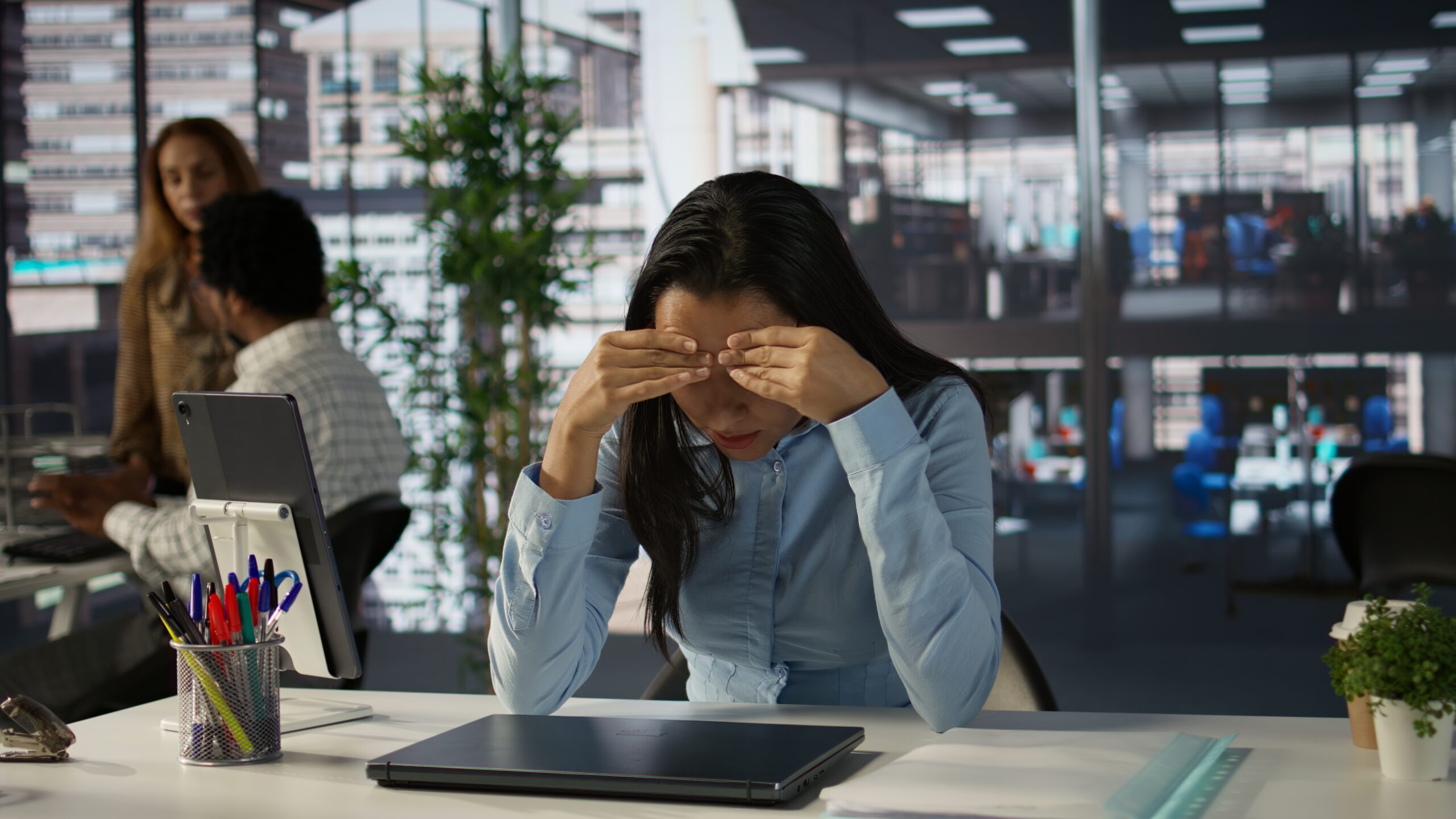
Constant notifications and pressure to stay active online can increase stress levels.
2. Depression
Comparing oneself to others online may lead to feelings of inadequacy.
3. Low Self-Esteem
Unrealistic portrayals of life can affect self-confidence.
4. Sleep Problems
Using devices late at night can interfere with sleep patterns.
5. Addiction
Spending too much time on social media can reduce productivity and real-life interaction.
Social Media and Young People
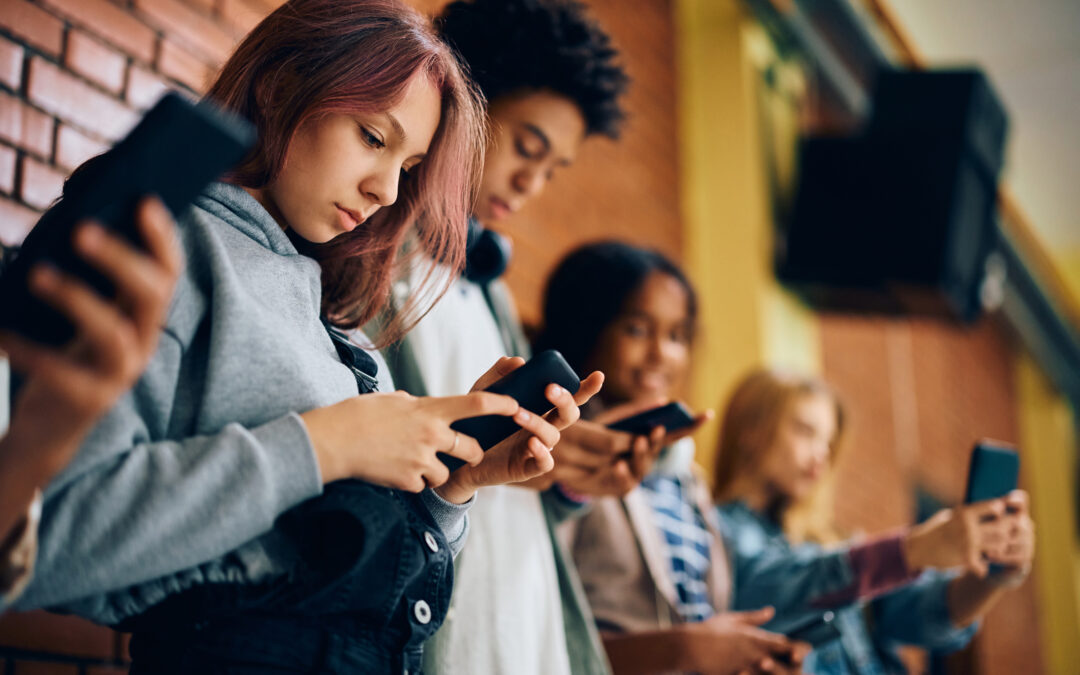
Young people are particularly vulnerable to the effects of social media.
They may experience:
- Peer pressure
- Cyberbullying
- Identity challenges
Guidance and awareness are important for healthy use.
The Science Behind Social Media Use
Social media can affect brain activity related to reward and pleasure.
The World Health Organization recognizes the importance of managing digital habits to support mental well-being.
Signs of Unhealthy Social Media Use
- Spending excessive time online
- Feeling anxious without access
- Neglecting responsibilities
- Experiencing negative emotions after use
Recognizing these signs is the first step toward change.
How to Maintain a Healthy Balance
1. Set Time Limits
Limit the amount of time spent on social media daily.
2. Take Regular Breaks
Disconnect periodically to focus on offline activities.
3. Be Mindful of Content
Follow accounts that promote positive and realistic content.
4. Avoid Comparisons
Remember that social media often shows a filtered version of reality.
5. Prioritize Real-Life Connections
Spend time with family and friends offline.
6. Improve Sleep Habits
Avoid using devices before bedtime.
Role of Parents and Caregivers
Parents can help by:
- Monitoring usage
- Encouraging open communication
- Setting boundaries for younger users
When to Seek Help
Seek professional support if:
- Social media use affects mental health
- You experience anxiety or depression
- You struggle to reduce usage
Social media can be both beneficial and harmful, depending on how it is used. While it offers opportunities for connection and learning, excessive or unhealthy use can negatively affect mental health.
In South Africa, promoting awareness and responsible use of social media is essential for protecting emotional well-being.
Maintaining balance and setting healthy boundaries can help individuals enjoy the benefits of social media while minimizing its risks.

Related Posts