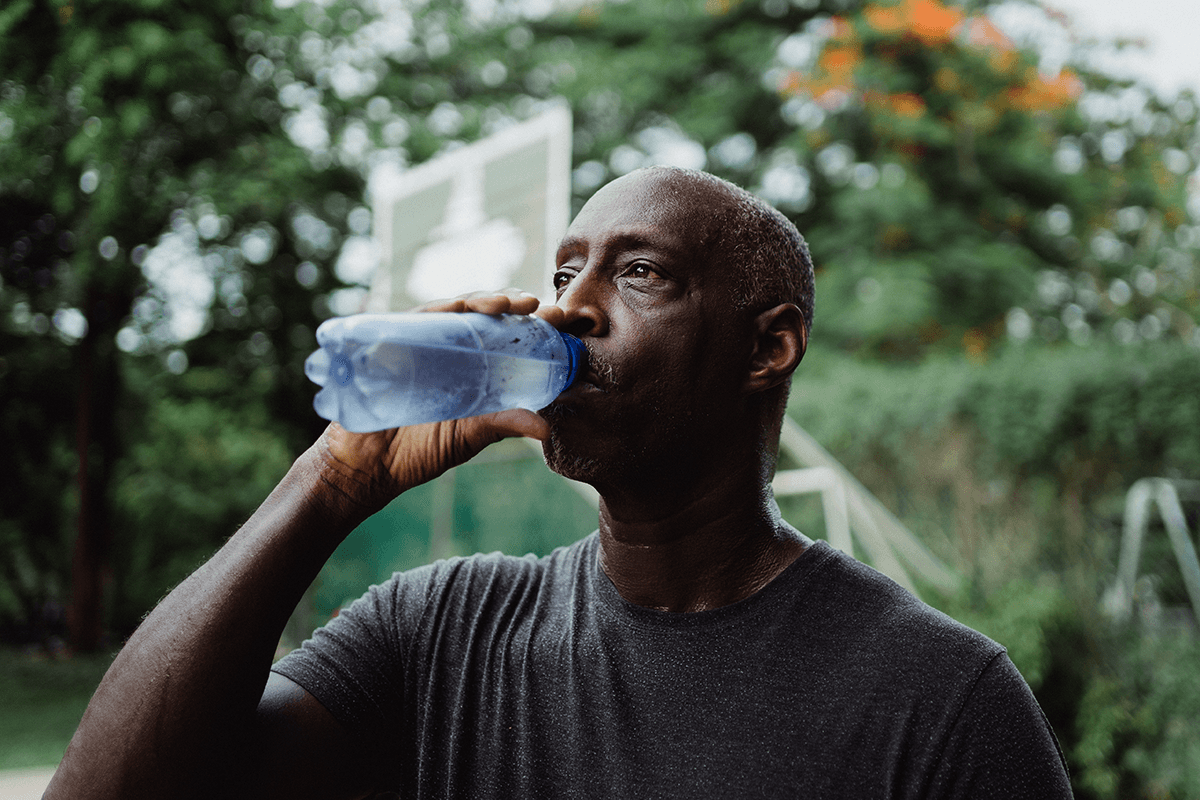
Water is fundamental to life. Approximately 50–60% of the adult human body is made up of water, and nearly every biological function depends on adequate hydration. Despite this, mild dehydration is common, especially in warm climates such as South Africa.
Hydration affects physical performance, mental clarity, digestion, kidney function, and cardiovascular stability. Understanding how much water your body needs and recognizing early signs of dehydration can help prevent health complications.
Why Water Is Essential for the Body
1. Temperature Regulation
Water allows the body to cool itself through sweating. In hot climates or during physical activity, fluid loss increases significantly.
Without proper hydration, the risk of heat exhaustion or heat stroke rises.
2. Circulation and Oxygen Delivery
Blood plasma is primarily composed of water. Proper hydration supports:
- Efficient circulation
- Oxygen transport
- Nutrient delivery to tissues
3. Kidney Function and Detoxification
The kidneys rely on water to:
- Filter waste
- Remove toxins
- Maintain electrolyte balance
Insufficient fluid intake may increase the risk of kidney stones and urinary tract infections.
4. Digestive Health
Water helps:
- Break down food
- Prevent constipation
- Maintain gut motility
Chronic dehydration may contribute to digestive discomfort.
5. Brain Function
Even mild dehydration can affect:
- Concentration
- Memory
- Mood
- Alertness
Research shows that fluid loss of as little as 1–2% of body weight may impair cognitive performance.
Signs of Mild to Moderate Dehydration
- Dry mouth
- Dark yellow urine
- Headache
- Dizziness
- Fatigue
- Muscle cramps
Signs of Severe Dehydration (Medical Emergency)
- Confusion
- Rapid heartbeat
- Very little urination
- Sunken eyes
- Fainting
Immediate medical care is required in these cases.
How Much Water Should You Drink?
There is no universal number, but general guidance suggests:
- Women: About 2–2.5 litres per day
- Men: About 2.5–3 litres per day
Needs increase with:
- Exercise
- Hot weather
- Illness
- Pregnancy or breastfeeding
Water from fruits and vegetables also contributes to daily intake.
Hydration and Physical Activity
During exercise, the body loses water through sweat. It is recommended to:
- Drink before activity
- Hydrate during prolonged activity
- Replenish fluids afterward
Failure to rehydrate may impair recovery and increase fatigue.
Special Considerations in South Africa
Due to warm temperatures in many provinces:
- Outdoor workers
- Athletes
- Schoolchildren
May be at increased risk of dehydration.
Access to safe drinking water is also an important public health consideration.
When to See a Healthcare Provider
Consult a healthcare professional if:
- You experience repeated dehydration
- You have kidney disease
- You have persistent vomiting or diarrhoea
- You are unable to keep fluids down
Hydration supports nearly every system in the body. Maintaining consistent fluid intake is a simple yet powerful preventive health habit. Paying attention to urine colour and thirst levels can help guide daily hydration.

Related Posts