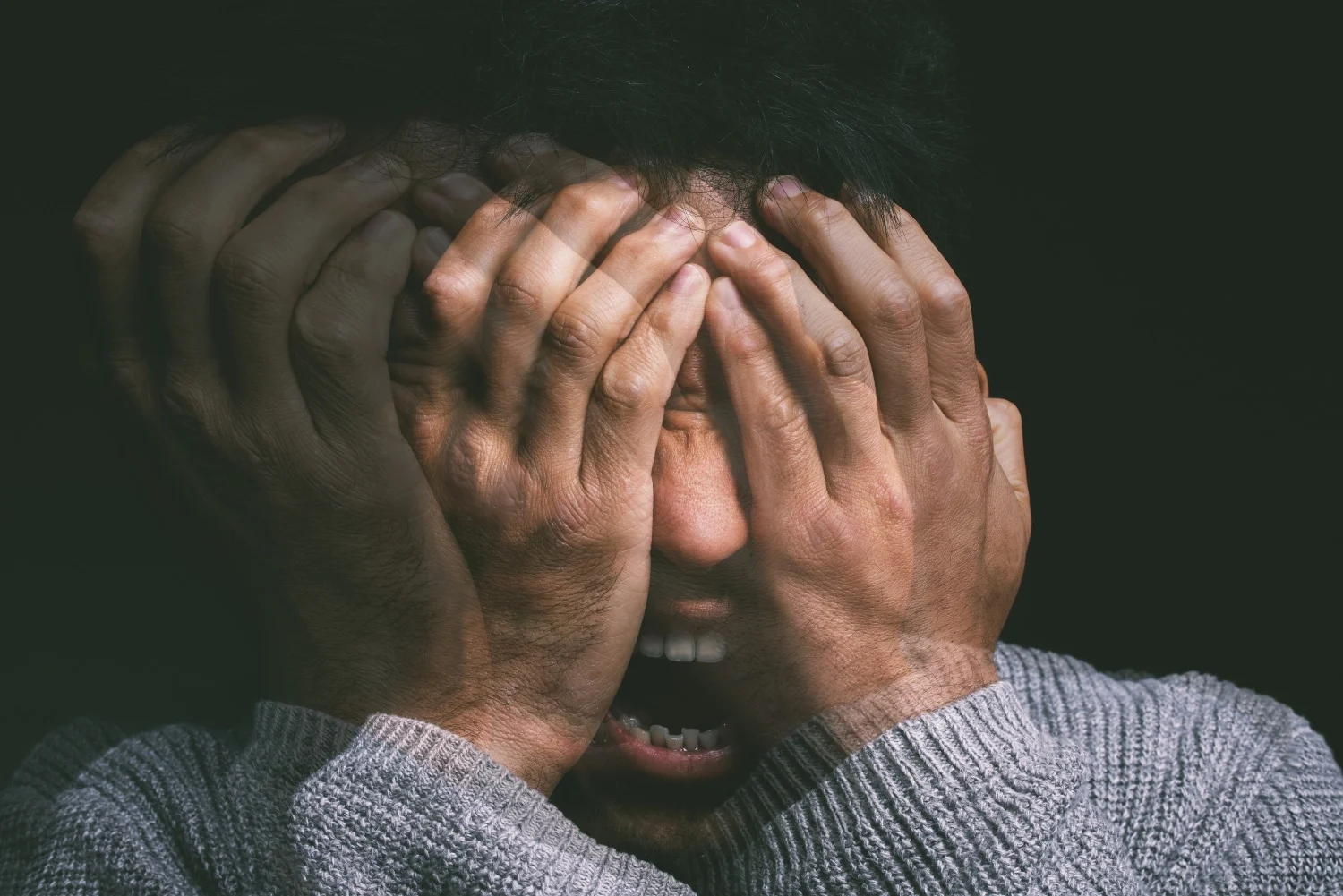
Understanding Anxiety Disorders: Symptoms, Causes, Treatment, and How to Cope
Anxiety is a normal human emotion. It helps us respond to danger, prepare for challenges, and stay alert. However, when anxiety becomes persistent, overwhelming, or interferes with daily life, it may develop into an anxiety disorder.
According to the World Health Organization, anxiety disorders are among the most common mental health conditions worldwide, affecting millions of people across different age groups.
This comprehensive guide explains what anxiety disorders are, their symptoms, possible causes, treatment options, and practical coping strategies.
What Is an Anxiety Disorder?
An anxiety disorder is a mental health condition characterized by excessive fear, worry, or nervousness that is difficult to control and lasts for an extended period.
Unlike everyday stress, anxiety disorders:
- Persist for months or longer
- Interfere with work, school, or relationships
- Cause significant emotional and physical symptoms
Anxiety disorders are medical conditions, not signs of weakness or personal failure.
Types of Anxiety Disorders
Mental health professionals recognize several types of anxiety disorders.
1. Generalized Anxiety Disorder (GAD)
People with GAD experience chronic, excessive worry about various aspects of life such as health, finances, family, or work, even when there is no clear reason for concern.
2. Panic Disorder
Panic disorder involves recurring panic attacks, sudden episodes of intense fear accompanied by physical symptoms like chest pain, dizziness, and rapid heartbeat.
3. Social Anxiety Disorder
This condition involves intense fear of being judged, embarrassed, or humiliated in social situations.
4. Specific Phobias
Phobias are intense fears of particular objects or situations, such as heights, flying, or certain animals.
5. Separation Anxiety Disorder
More common in children but also seen in adults, this condition involves excessive fear about being separated from attachment figures.
Common Symptoms of Anxiety Disorders
Symptoms can vary depending on the type of anxiety disorder but often include both emotional and physical signs.
Emotional Symptoms
- Persistent worry or fear
- Irritability
- Feeling “on edge”
- Difficulty concentrating
- Anticipating the worst outcomes
Physical Symptoms
- Rapid heartbeat
- Shortness of breath
- Muscle tension
- Sweating
- Trembling
- Gastrointestinal discomfort
- Sleep disturbances
These physical symptoms occur because anxiety activates the body’s “fight-or-flight” response.
What Causes Anxiety Disorders?
Anxiety disorders do not have a single cause. Instead, they develop due to a combination of biological, psychological, and environmental factors.
1. Genetics
A family history of anxiety or other mental health conditions may increase risk.
2. Brain Chemistry
Imbalances in neurotransmitters such as serotonin and dopamine may contribute to anxiety symptoms.
3. Stressful Life Events
Trauma, loss, abuse, financial stress, or major life transitions can trigger anxiety disorders.
4. Medical Conditions
Certain medical issues, including thyroid disorders and heart conditions, may mimic or worsen anxiety symptoms.
5. Substance Use
Caffeine, alcohol misuse, and certain medications can increase anxiety.
How Anxiety Disorders Are Diagnosed
Diagnosis is made by a qualified healthcare provider or mental health professional.
They may:
- Conduct a clinical interview
- Review medical history
- Rule out underlying medical causes
- Use standardized psychological assessments
The National Institute of Mental Health emphasizes the importance of professional evaluation rather than self-diagnosis.
Treatment Options for Anxiety Disorders
Anxiety disorders are highly treatable. Many individuals experience significant improvement with proper care.
1. Psychotherapy
Cognitive Behavioral Therapy (CBT) is one of the most effective treatments for anxiety disorders. It helps individuals:
- Identify negative thought patterns
- Challenge irrational fears
- Develop healthier coping mechanisms
Other therapy approaches may include exposure therapy and mindfulness-based therapy.
2. Medication
Doctors may prescribe medications such as:
- Selective Serotonin Reuptake Inhibitors (SSRIs)
- Serotonin-Norepinephrine Reuptake Inhibitors (SNRIs)
- Short-term anti-anxiety medications
Medication decisions should always be made under medical supervision.
3. Combination Treatment
For many individuals, combining therapy and medication provides the best results.
Lifestyle Changes That Help Manage Anxiety
While professional treatment is important, lifestyle strategies can significantly support recovery.
Regular Physical Activity
Exercise helps regulate stress hormones and improves mood.
Balanced Nutrition
A diet rich in whole grains, fruits, vegetables, and lean proteins supports brain health.
Adequate Sleep
Sleep deprivation can worsen anxiety symptoms. Adults should aim for 7–9 hours per night.
Limit Stimulants
Reducing caffeine and nicotine intake may help lower anxiety levels.
Relaxation Techniques
Practices such as:
- Deep breathing exercises
- Meditation
- Yoga
- Progressive muscle relaxation
can calm the nervous system.
When to Seek Professional Help
Consider seeking help if:
- Anxiety persists for more than two weeks
- Symptoms interfere with daily functioning
- You avoid normal activities due to fear
- Physical symptoms are severe
- You experience panic attacks
Early intervention improves long-term outcomes.
The Impact of Untreated Anxiety
If left untreated, anxiety disorders may contribute to:
- Depression
- Substance misuse
- Chronic health problems
- Reduced quality of life
- Impaired work or academic performance
Seeking treatment is a proactive step toward overall well-being.
Frequently Asked Questions (FAQ)
1. Is anxiety a mental illness?
Yes. While occasional anxiety is normal, anxiety disorders are recognized medical conditions requiring appropriate treatment.
2. Can anxiety disorders go away on their own?
Mild anxiety may improve with lifestyle changes, but persistent anxiety often requires professional treatment.
3. Are anxiety medications addictive?
Some short-term anti-anxiety medications may carry dependency risks, which is why they must be taken under medical supervision. Many first-line medications such as SSRIs are not addictive.
4. Can children develop anxiety disorders?
Yes. Anxiety disorders can affect children, adolescents, and adults.
5. How long does treatment take?
Treatment duration varies. Some individuals improve within months, while others may require longer-term management.

Related Posts