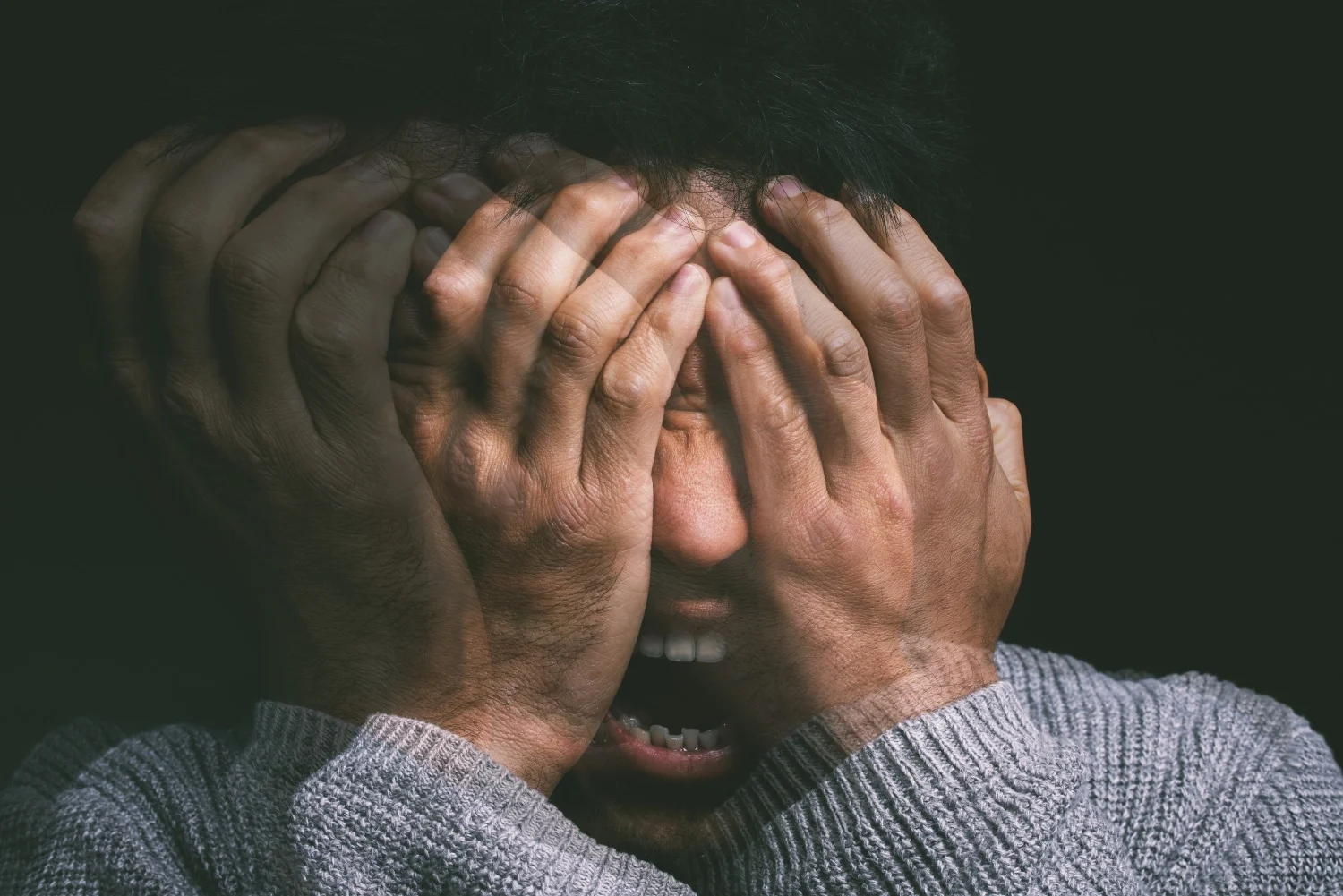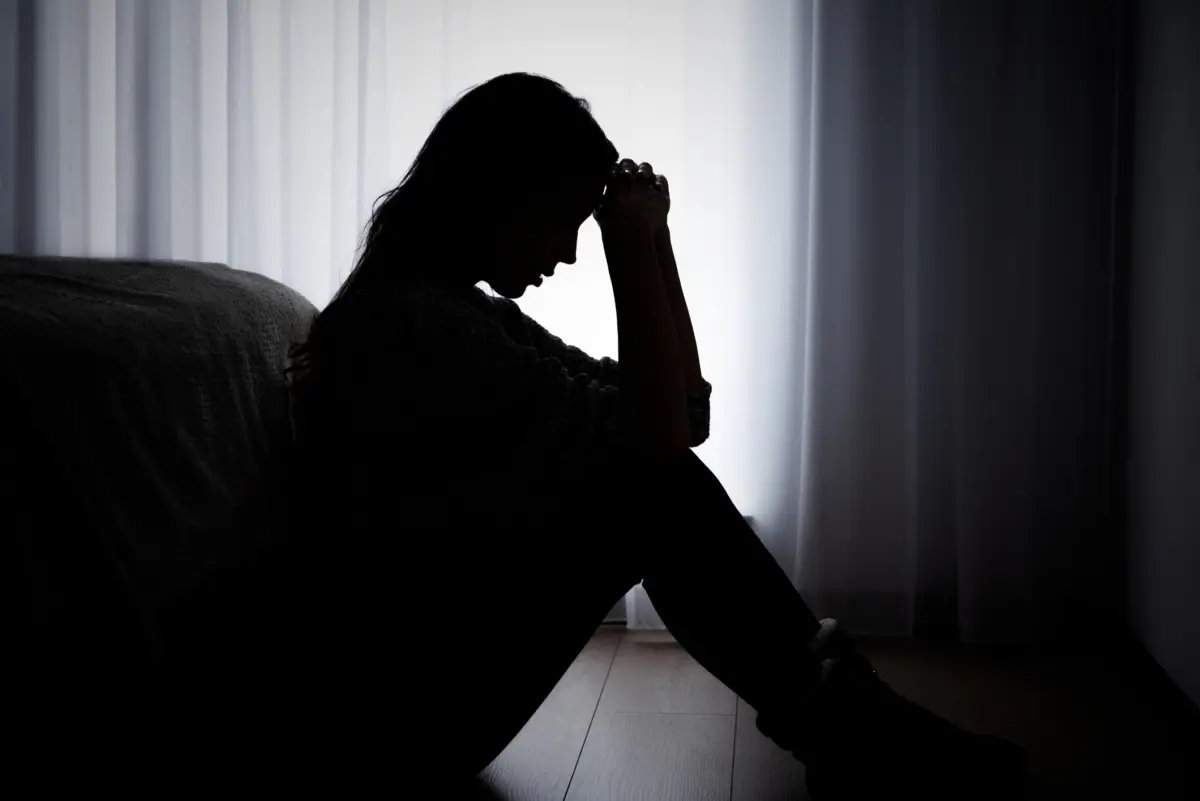
Depression is more than temporary sadness or feeling “down.” It is a serious mental health condition that affects mood, thinking, physical health, and daily functioning. Globally, depression is one of the leading causes of disability, and it affects individuals across all age groups.
In South Africa, social, economic, and environmental stressors may increase vulnerability to depression. Despite growing awareness, stigma and limited access to mental health services still prevent many individuals from seeking help.
Understanding depression is an important step toward reducing stigma and promoting early intervention.
What Is Depression?
Depression, also known as major depressive disorder, is characterized by persistent low mood or loss of interest in activities, lasting at least two weeks or longer.
It affects how a person:
- Feels
- Thinks
- Sleeps
- Eats
- Functions daily
Depression is a medical condition, not a personal weakness or lack of willpower.
Common Symptoms of Depression
Symptoms vary from person to person but may include:
Emotional Symptoms
- Persistent sadness
- Feelings of hopelessness
- Irritability
- Loss of interest in previously enjoyed activities
- Feelings of guilt or worthlessness
Cognitive Symptoms
- Difficulty concentrating
- Indecisiveness
- Negative thought patterns
- Memory difficulties
Physical Symptoms
- Fatigue
- Sleep disturbances (insomnia or excessive sleeping)
- Changes in appetite
- Unexplained aches or pains
- Slowed movement or speech
If symptoms persist for more than two weeks and interfere with daily life, professional evaluation is recommended.
Causes and Risk Factors
Depression does not have a single cause. It typically results from a combination of biological, psychological, and environmental factors.
1. Biological Factors
- Genetic predisposition
- Neurochemical imbalances
- Hormonal changes
2. Psychological Factors
- Trauma or abuse
- Chronic stress
- Low self-esteem
- Unresolved grief
3. Environmental and Social Factors in South Africa
Certain stressors may increase risk:
- Financial instability
- Unemployment
- Exposure to violence
- Community trauma
- Social inequality
- Limited access to healthcare
Rural areas may face additional barriers to mental health services.
Depression and Physical Health
Depression is closely linked to physical health conditions. It may increase risk of:
- Cardiovascular disease
- Diabetes
- Chronic pain disorders
- Weakened immune function
Likewise, living with chronic illness may increase risk of depression.
Depression in Different Age Groups
Adolescents
Symptoms may appear as:
- Irritability
- Academic decline
- Social withdrawal
Adults
Common presentations include:
- Persistent fatigue
- Work-related difficulties
- Relationship strain
Older Adults
Symptoms may be mistaken for normal aging but can include:
- Memory concerns
- Loss of interest
- Physical complaints
Recognition across all age groups is important.
Stigma and Cultural Perceptions in South Africa
Although awareness is improving, stigma remains a significant barrier.
Misconceptions may include:
- “Depression is a sign of weakness.”
- “It is just a phase.”
- “Prayer alone should solve it.”
While spiritual support can be meaningful, depression is a medical condition that may require professional treatment.
Reducing stigma encourages earlier intervention and better outcomes.
How Depression Is Diagnosed
Diagnosis involves:
- Clinical interview
- Symptom evaluation
- Duration and severity assessment
- Exclusion of medical causes (e.g., thyroid disorders, vitamin deficiencies)
Only a qualified healthcare professional can diagnose depression.
Treatment Options
Depression is treatable, and many individuals improve with appropriate care.
1. Psychological Therapy
Cognitive Behavioral Therapy (CBT) and other evidence-based therapies help individuals:
- Challenge negative thought patterns
- Develop coping strategies
- Improve emotional regulation
2. Medication
Antidepressants may be prescribed by a licensed doctor in moderate to severe cases.
Medication decisions are individualized and require professional monitoring.
3. Lifestyle Support
Research supports supportive habits such as:
- Regular physical activity
- Balanced nutrition
- Sleep regulation
- Social connection
These strategies complement, but do not replace, professional treatment.
When to Seek Immediate Help
Urgent medical attention is needed if someone experiences:
- Thoughts of self-harm
- Severe hopelessness
- Inability to function
- Significant behavioral changes
Emergency services or crisis support should be contacted immediately in such cases.
Accessing Help in South Africa
Mental health services may be available through:
- Public hospitals and clinics
- Private psychologists and psychiatrists
- University counseling centers
- Community organizations
The South African Depression and Anxiety Group (SADAG) provides mental health resources and support information.
Awareness of available services can help reduce delays in seeking care.
Supporting Someone With Depression
If someone you know is experiencing depression:
- Encourage professional help
- Listen without judgment
- Offer practical assistance
- Avoid minimizing their feelings
Supportive relationships improve recovery outcomes.
Preventive and Protective Factors
While not all depression is preventable, protective factors include:
- Strong community ties
- Stable support networks
- Access to healthcare
- Healthy coping mechanisms
Community mental health education plays an important role in prevention.
Depression is a common but treatable mental health condition. Recognizing symptoms early and seeking appropriate care can significantly improve quality of life.
Reducing stigma and expanding access to mental health services remain important public health priorities in South Africa.
With proper support, recovery is possible.
References
- World Health Organization (WHO)
- South African Depression and Anxiety Group (SADAG)
- National Institute of Mental Health (NIMH)
- Mayo Clinic

Related Posts