High blood pressure, also known as hypertension, is one of the most common chronic health conditions worldwide. It is often referred to as a “silent condition” because it may not cause noticeable symptoms for many years while gradually affecting vital organs.
In South Africa, hypertension is a major public health concern, contributing significantly to heart disease, stroke, and kidney failure. Many individuals remain undiagnosed or untreated due to lack of awareness and limited access to healthcare.
Understanding hypertension is essential for prevention, early detection, and effective management.
What Is High Blood Pressure?
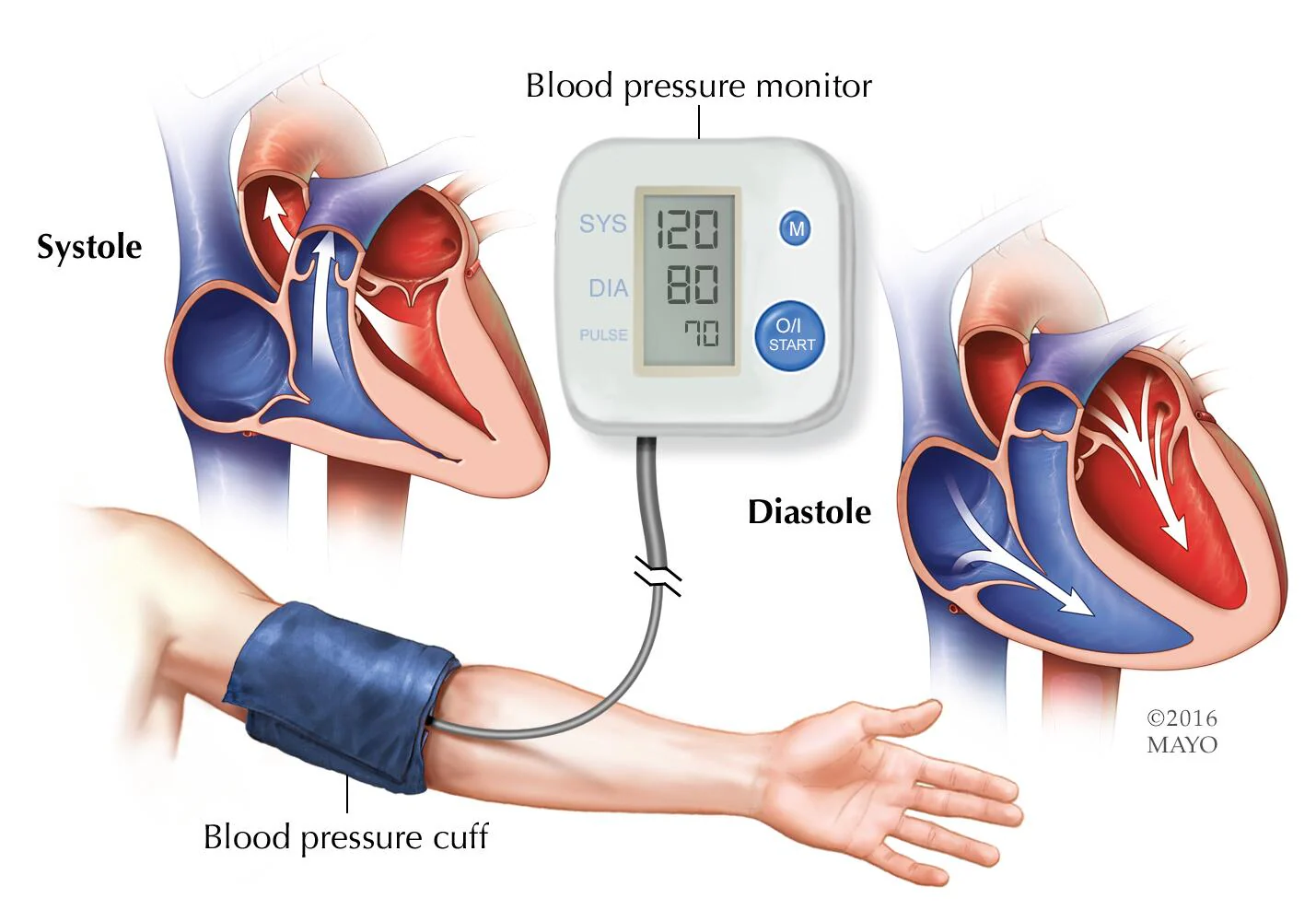
Blood pressure is the force exerted by circulating blood against the walls of the arteries.
It is measured using two values:
- Systolic pressure: Pressure when the heart beats
- Diastolic pressure: Pressure when the heart rests between beats
A typical reading is written as:
120/80 mmHg (millimetres of mercury)
What Is Considered High Blood Pressure?
According to global health guidelines:
- Normal: Below 120/80 mmHg
- Elevated: 120–129 / below 80
- Hypertension Stage 1: 130–139 / 80–89
- Hypertension Stage 2: 140/90 mmHg or higher
Diagnosis should always be confirmed by a healthcare professional.
Why Hypertension Is Called a “Silent Condition”
Many people with high blood pressure experience no symptoms. Damage to the body may occur slowly over time without noticeable warning signs.
This is why regular blood pressure checks are essential.
Causes and Risk Factors
Hypertension may develop due to a combination of factors.
1. Lifestyle Factors
- High salt intake
- Physical inactivity
- Excess body weight
- Smoking
- Excessive alcohol consumption
2. Medical Conditions
- Kidney disease
- Diabetes
- Hormonal disorders
3. Genetic Factors
A family history of hypertension may increase risk.
4. Age
Risk increases with age, especially after 40.
5. Stress
Chronic stress may contribute to long-term blood pressure elevation.
Hypertension in South Africa
Hypertension is highly prevalent in South Africa due to:
- Urbanization
- Dietary changes (high salt and processed foods)
- Sedentary lifestyles
- Limited routine health screening
The World Health Organization identifies hypertension as a leading risk factor for cardiovascular disease globally.
Public health initiatives continue to promote awareness and screening.
Symptoms of High Blood Pressure
Most individuals do not experience symptoms. However, in severe cases, symptoms may include:
- Headaches
- Dizziness
- Blurred vision
- Chest pain
- Shortness of breath
These symptoms require immediate medical attention.
Health Risks of Uncontrolled Hypertension
If left untreated, high blood pressure may lead to:
1. Heart Disease
Including heart attack and heart failure.
2. Stroke
Hypertension is one of the leading causes of stroke.
3. Kidney Damage
Chronic high blood pressure can impair kidney function.
4. Vision Problems
Damage to blood vessels in the eyes may affect vision.
5. Cognitive Decline
Long-term hypertension may affect brain function.
How Is Hypertension Diagnosed?
Diagnosis involves:
- Blood pressure measurements on multiple occasions
- Medical history review
- Physical examination
In some cases, additional tests may be recommended.
Management and Treatment
Hypertension can often be managed effectively with lifestyle changes and, in some cases, medication.
1. Lifestyle Modifications
Reduce Salt Intake
Limiting sodium may help lower blood pressure.
Maintain a Healthy Weight
Weight management reduces strain on the heart.
Engage in Regular Physical Activity
At least 150 minutes per week of moderate exercise is recommended.
Limit Alcohol Intake
Excess alcohol may raise blood pressure.
Avoid Tobacco Use
Smoking damages blood vessels and increases cardiovascular risk.
2. Medication
Doctors may prescribe medications such as:
- Diuretics
- ACE inhibitors
- Calcium channel blockers
Medication should only be taken under medical supervision.
Prevention Strategies
Preventive measures include:
- Regular blood pressure screening
- Healthy diet (including fruits and vegetables)
- Physical activity
- Stress management
- Avoiding excessive salt and processed foods
Early prevention reduces long-term health risks.
When to See a Healthcare Professional
Seek medical advice if:
- You have consistently high readings
- You experience symptoms such as chest pain or severe headaches
- You have a family history of hypertension
- You have conditions like diabetes or kidney disease
Regular check-ups are important, even without symptoms.
Public Health and Awareness in South Africa
Health campaigns in South Africa aim to:
- Promote regular screening
- Encourage healthy lifestyles
- Reduce salt consumption
- Improve access to treatment
Community education plays a vital role in prevention.
High blood pressure is a common but serious condition that often goes unnoticed. Early detection and proper management can significantly reduce the risk of complications such as heart disease and stroke.
In South Africa, increasing awareness and access to care are essential steps toward improving health outcomes.
Regular monitoring, healthy lifestyle choices, and professional medical guidance are key to managing hypertension effectively.

Related Posts