Cancer is one of the leading causes of illness and death worldwide, including in South Africa. While some cancers cannot be prevented, early detection through screening can significantly improve treatment outcomes and survival rates.
Cancer screening involves testing for signs of cancer before symptoms appear. Detecting cancer early often allows for more effective treatment and can prevent the disease from progressing.
Understanding the importance of cancer screening and knowing what to expect can help individuals take proactive steps toward protecting their health.
What Is Cancer Screening?
Cancer screening refers to medical tests used to detect cancer in its early stages, often before symptoms develop.
These tests aim to:
- Identify abnormal cells
- Detect cancer early
- Reduce the risk of advanced disease
Screening is different from diagnostic testing, which is done when symptoms are already present.
Why Early Detection Is Important
Early detection plays a critical role in cancer outcomes.
1. Improves Treatment Success
Cancer detected early is often easier to treat.
2. Reduces Complications
Early treatment can prevent the spread of cancer to other parts of the body.
3. Saves Lives
Early detection increases survival rates for many types of cancer.
The World Health Organization emphasizes early detection as a key strategy in reducing cancer-related deaths.
Common Types of Cancer Screening
1. Breast Cancer Screening
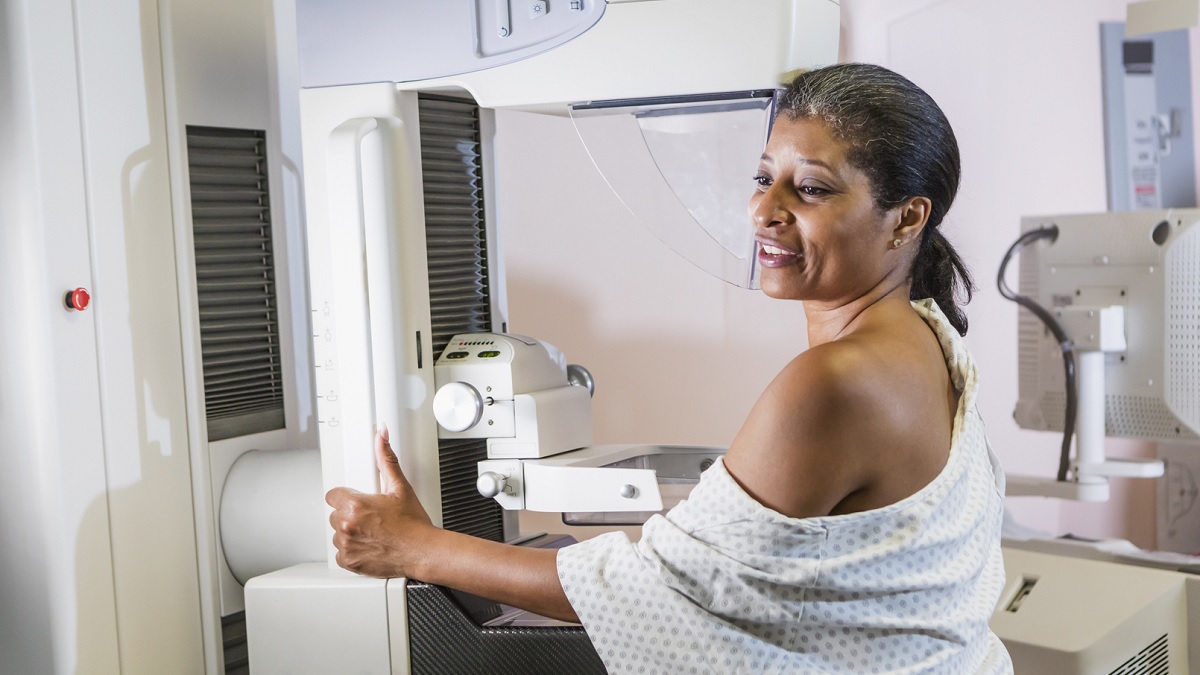
- Mammograms are used to detect early signs of breast cancer
- Recommended for women based on age and risk factors
2. Cervical Cancer Screening
- Pap smears detect abnormal changes in cervical cells
- Important for early prevention and treatment
3. Prostate Cancer Screening
- Blood tests and examinations may be used
- Typically recommended for men at higher risk
4. Colorectal Cancer Screening
- Stool tests or colonoscopy can detect early signs
- Recommended for adults over a certain age
Who Should Get Screened?
Screening recommendations vary based on:
- Age
- Gender
- Family history
- Lifestyle factors
Healthcare providers can guide individuals on appropriate screening schedules.
Cancer Screening in South Africa
South Africa offers various screening services through public and private healthcare systems.
However, challenges include:
- Limited access in some areas
- Lack of awareness
- Delayed diagnosis
Increasing awareness about screening is essential for improving outcomes.
What to Expect During Screening
Screening procedures are usually:
- Quick
- Safe
- Minimally invasive
Some tests may cause mild discomfort, but they are generally well tolerated.
Risks and Limitations of Screening
While screening is beneficial, it may have limitations:
- False positive results
- False negative results
- Anxiety related to testing
Despite these limitations, the benefits of early detection outweigh the risks.
Overcoming Barriers to Screening
Common barriers include:
- Fear of diagnosis
- Lack of information
- Financial concerns
Education and support can help individuals overcome these challenges.
When to Talk to a Healthcare Provider
Consult a healthcare provider if:
- You are unsure about screening recommendations
- You have a family history of cancer
- You notice unusual symptoms
Early consultation is key to effective prevention.
The Role of Lifestyle in Cancer Prevention
In addition to screening, healthy habits can reduce cancer risk:
- Eating a balanced diet
- Exercising regularly
- Avoiding tobacco
- Limiting alcohol consumption
Prevention and early detection work together.
Cancer screening is a powerful tool in detecting disease early and improving treatment outcomes. By participating in regular screening and staying informed, individuals can take control of their health.
In South Africa, increasing awareness and access to screening services can significantly reduce the burden of cancer.
Early detection saves lives, and taking action today can make a lasting difference.

Related Posts