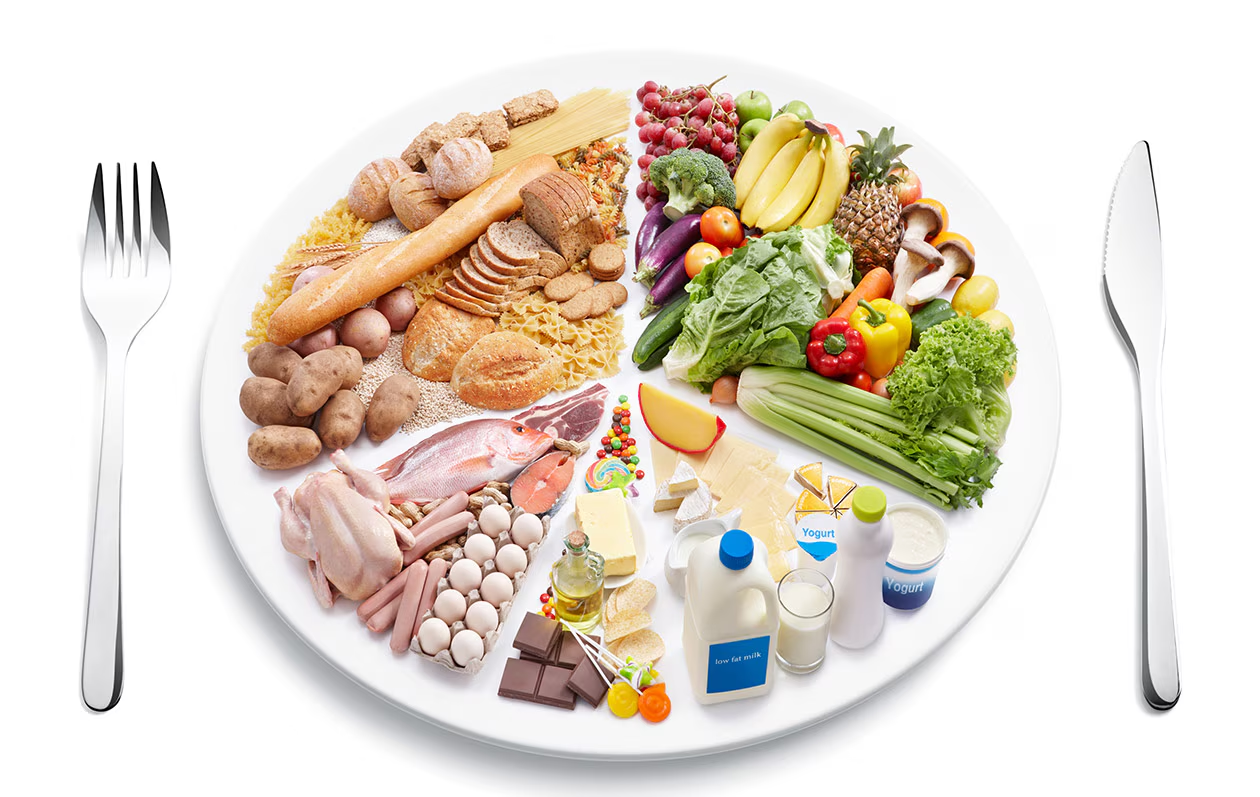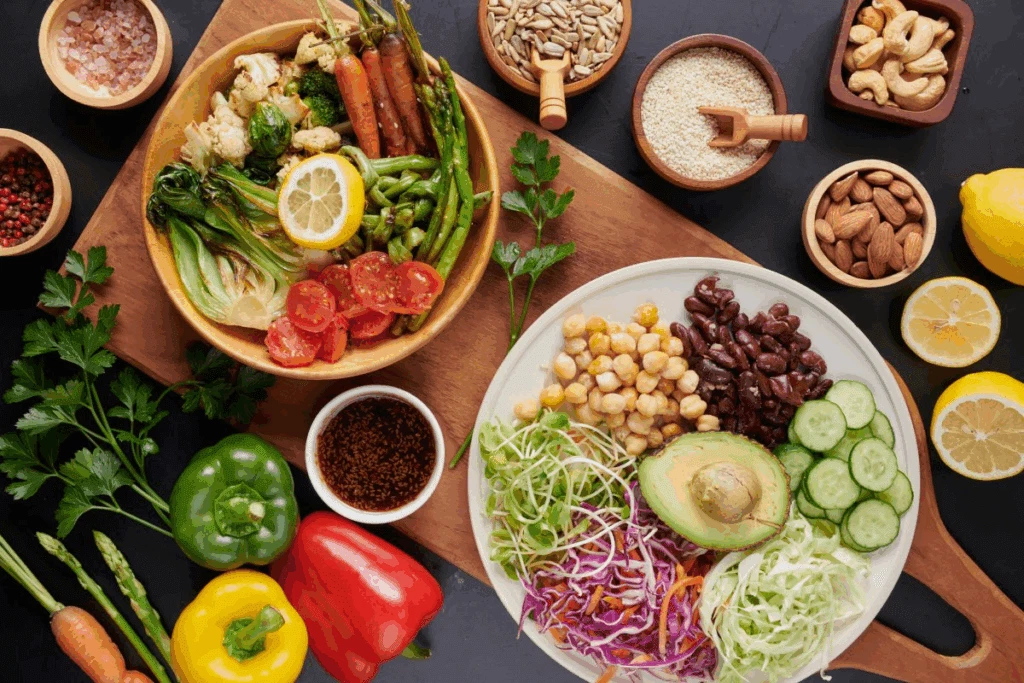
Maintaining a healthy diet can be challenging, especially for individuals with busy schedules. Work commitments, long commutes, and daily responsibilities often make it difficult to prepare nutritious meals, leading many people to rely on fast food and processed options.
In South Africa, urban lifestyles have contributed to an increase in convenience eating, which is often high in sugar, salt, and unhealthy fats. Over time, this can negatively impact health and increase the risk of chronic conditions such as obesity, diabetes, and heart disease.
However, healthy eating is still possible with the right strategies. Small, consistent changes can make a significant difference.
Why Healthy Eating Matters Even When You’re Busy
A nutritious diet helps:
- Maintain energy levels throughout the day
- Improve concentration and productivity
- Support immune function
- Reduce the risk of chronic diseases
- Promote overall well-being
The World Health Organization highlights that balanced nutrition is essential for preventing non-communicable diseases.
Common Challenges of Busy Lifestyles
Many people struggle with:
- Lack of time to cook
- Skipping meals
- Relying on takeaway food
- Irregular eating patterns
- Limited access to healthy options during the day
Recognizing these challenges is the first step toward overcoming them.
Practical Healthy Eating Tips
1. Plan Your Meals in Advance
Meal planning helps you:
- Save time during the week
- Avoid unhealthy food choices
- Maintain a balanced diet
You can plan meals weekly and prepare ingredients ahead of time.
2. Prepare Meals at Home
Home-cooked meals allow better control over:
- Ingredients
- Portion sizes
- Cooking methods
Cooking in batches and storing meals can make this easier.
3. Keep Healthy Snacks Available
Having nutritious snacks helps prevent unhealthy choices.
Examples include:
- Fresh fruit
- Nuts and seeds
- Yogurt
- Whole-grain snacks
4. Do Not Skip Meals
Skipping meals can lead to:
- Low energy levels
- Poor concentration
- Overeating later in the day
Aim for regular, balanced meals.
5. Choose Healthier Takeaway Options
When eating out:
- Choose grilled instead of fried foods
- Avoid sugary drinks
- Include vegetables when possible
Small choices can make a big difference.
6. Stay Hydrated
Busy schedules often lead to inadequate water intake.
Tips:
- Carry a water bottle
- Set reminders to drink water
- Replace sugary drinks with water
7. Read Food Labels
Understanding food labels helps you:
- Avoid high sugar and salt content
- Make informed food choices
8. Practice Portion Control
Even healthy foods should be eaten in moderation.
Tips include:
- Using smaller plates
- Avoiding overeating
- Eating slowly
9. Limit Processed Foods
Processed foods are often high in:
- Sugar
- Salt
- Unhealthy fats
Reducing intake can improve overall health.
10. Make Gradual Changes
Healthy eating does not require drastic changes.
Start with:
- Adding more vegetables
- Reducing sugary drinks
- Cooking more meals at home
Consistency is key.
Healthy Meal Ideas for Busy Days
Breakfast
- Oats with fruit
- Whole-grain toast with eggs
- Yogurt with nuts
Lunch
- Chicken or bean salad
- Whole-grain sandwich
- Leftovers from dinner
Dinner
- Grilled meat or fish with vegetables
- Stews with beans and vegetables
- Stir-fried dishes
Snacks
- Fruit
- Nuts
- Low-fat yogurt
Healthy Eating in the South African Context
Local, affordable foods can support healthy eating:
- Maize meal
- Beans and lentils
- Seasonal fruits and vegetables
- Traditional dishes prepared in healthier ways
Making use of locally available foods can make healthy eating more accessible.
The Link Between Diet and Chronic Disease
Unhealthy eating patterns are associated with:
- Obesity
- Type 2 diabetes
- Heart disease
- High blood pressure
Improving diet quality can significantly reduce these risks.
Building Sustainable Habits
Long-term success depends on:
- Consistency
- Realistic goals
- Flexibility
Healthy eating should be a lifestyle, not a temporary diet.
When to Seek Professional Advice
Consult a healthcare provider or nutrition expert if:
- You have specific dietary needs
- You are managing a chronic condition
- You need help planning meals
Healthy eating is possible even with a busy lifestyle. By planning meals, making smarter food choices, and adopting simple habits, individuals can maintain a balanced diet and improve their overall health.
In South Africa, promoting practical and accessible nutrition strategies is essential for addressing the growing burden of lifestyle-related diseases.
Small, consistent steps can lead to lasting improvements in health and well-being.

Related Posts