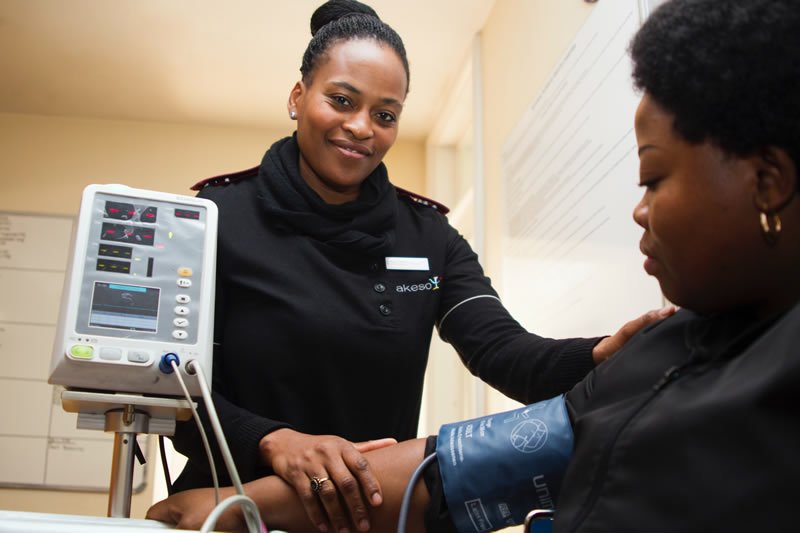
Chronic diseases also known as non-communicable diseases are among the leading causes of illness and death worldwide. These include conditions such as heart disease, diabetes, hypertension, and certain cancers.
In South Africa, chronic diseases are increasing due to lifestyle changes, urbanization, and reduced physical activity. However, many of these conditions are preventable through simple, consistent lifestyle choices.
Adopting a healthy lifestyle is one of the most effective ways to protect long-term health and improve quality of life.
What Are Chronic Diseases?
Chronic diseases are long-term conditions that often develop slowly and may require ongoing management.
Common examples include:
- High blood pressure (hypertension)
- Diabetes
- Heart disease
- Asthma
- Arthritis
These conditions may not always be curable, but they can often be prevented or controlled.
Why Lifestyle Matters
Lifestyle choices play a major role in the development of chronic diseases.
Key risk factors include:
- Poor diet
- Physical inactivity
- Tobacco use
- Excessive alcohol consumption
- Chronic stress
By addressing these factors, individuals can significantly reduce their risk.
Key Components of a Healthy Lifestyle
1. Balanced Nutrition
A healthy diet provides essential nutrients that support body function and reduce disease risk.
Recommended habits:
- Eat a variety of fruits and vegetables
- Choose whole grains over refined foods
- Limit sugar and processed foods
- Reduce salt intake
- Include lean protein sources
Healthy eating supports heart health, weight management, and blood sugar control.
2. Regular Physical Activity
Physical activity is essential for maintaining overall health.
Benefits include:
- Improved cardiovascular health
- Better weight management
- Reduced risk of diabetes
- Stronger muscles and bones
- Improved mental well-being
Aim for at least 150 minutes of moderate exercise per week.
3. Maintaining a Healthy Weight
Excess body weight increases the risk of:
- Hypertension
- Diabetes
- Joint problems
- Heart disease
Weight management through diet and exercise is key to prevention.
4. Avoiding Tobacco Use
Smoking is a major risk factor for:
- Heart disease
- Lung disease
- Cancer
Quitting smoking significantly improves health outcomes.
5. Limiting Alcohol Consumption
Excessive alcohol intake may contribute to:
- Liver disease
- High blood pressure
- Mental health issues
Moderation is important.
6. Managing Stress
Chronic stress can negatively affect both physical and mental health.
Healthy stress management techniques include:
- Exercise
- Relaxation techniques
- Adequate rest
- Social support
7. Getting Enough Sleep
Quality sleep is essential for:
- Immune function
- Mental health
- Hormonal balance
Poor sleep is linked to increased risk of chronic disease.
Lifestyle and Specific Diseases
1. Preventing Hypertension
- Reduce salt intake
- Exercise regularly
- Maintain a healthy weight
2. Preventing Diabetes
- Eat a balanced diet
- Stay physically active
- Avoid excess sugar
3. Preventing Heart Disease
- Avoid smoking
- Manage cholesterol levels
- Maintain healthy blood pressure
4. Supporting Joint Health
- Maintain healthy weight
- Stay active
- Avoid joint injuries
Healthy Lifestyle in South Africa
In South Africa, lifestyle-related risk factors are increasing due to:
- Urbanization
- Fast food consumption
- Sedentary work environments
Public health initiatives aim to encourage healthier habits.
The World Health Organization promotes lifestyle changes as a key strategy in preventing chronic diseases globally.
Barriers to a Healthy Lifestyle
Some common challenges include:
- Limited access to healthy foods
- Lack of safe spaces for exercise
- Time constraints
- Financial limitations
- Cultural habits
Addressing these barriers requires both individual effort and community support.
Small Changes That Make a Big Difference
Adopting a healthy lifestyle does not require drastic changes.
Simple steps include:
- Drinking more water
- Walking regularly
- Eating more home-cooked meals
- Reducing processed food intake
- Getting enough rest
Consistency is more important than perfection.
When to Seek Professional Guidance
Consult a healthcare provider if:
- You have existing health conditions
- You need help with weight management
- You are planning major lifestyle changes
- You have concerns about diet or exercise
Professional guidance ensures safe and effective changes.
A healthy lifestyle is one of the most powerful tools for preventing chronic diseases. By making informed choices about diet, physical activity, and daily habits, individuals can significantly improve their long-term health.
In South Africa, promoting healthy lifestyles is essential for reducing the growing burden of chronic disease and improving overall well-being.
Small, consistent changes can lead to lasting health benefits.

Related Posts