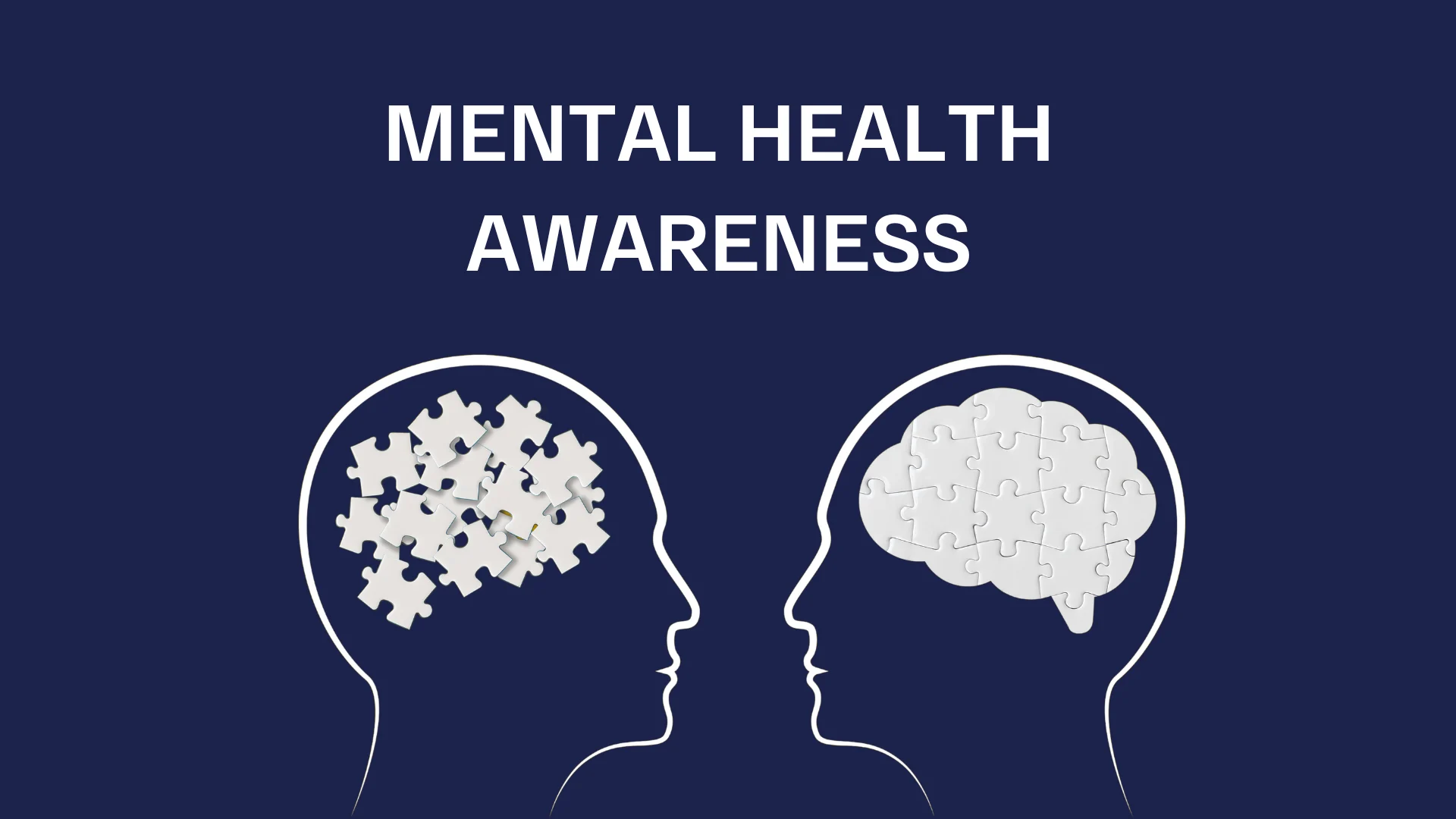
Burnout is a state of emotional, physical, and mental exhaustion caused by prolonged stress. It is increasingly common in today’s fast-paced world, especially among individuals balancing work, family responsibilities, and personal challenges.
In South Africa, factors such as demanding work environments, financial pressure, and limited access to mental health resources can contribute to burnout. If left unaddressed, burnout can significantly affect overall well-being, productivity, and quality of life.
Understanding the signs of burnout and how to recover is essential for maintaining long-term mental health.
What Is Burnout?
Burnout is not simply feeling tired or stressed. It is a chronic condition that develops over time due to ongoing pressure and lack of adequate rest or support.
It is characterized by:
- Emotional exhaustion
- Reduced performance
- Feelings of detachment or negativity
Burnout can affect anyone, including students, professionals, caregivers, and business owners.
Common Causes of Burnout
Burnout can result from a combination of factors.
1. Work-Related Stress
- Long working hours
- High job demands
- Lack of control or recognition
2. Financial Pressure
Economic challenges can increase stress and anxiety.
3. Lack of Work-Life Balance
Insufficient time for rest and personal activities contributes to burnout.
4. Emotional Stress
Ongoing personal or family challenges can lead to emotional exhaustion.
5. Lack of Support
Limited social or professional support systems can worsen stress levels.
Signs and Symptoms of Burnout
Recognizing burnout early is important.
Emotional Symptoms
- Feeling overwhelmed
- Loss of motivation
- Irritability
- Anxiety or low mood
Physical Symptoms
- Fatigue
- Headaches
- Sleep problems
- Changes in appetite
Behavioral Symptoms
- Reduced productivity
- Withdrawal from responsibilities
- Difficulty concentrating
The Impact of Burnout on Health
Burnout can affect both mental and physical health.
It may lead to:
- Increased risk of anxiety and depression
- Weakened immune system
- Poor work performance
- Strained relationships
The World Health Organization recognizes burnout as an occupational phenomenon linked to chronic workplace stress.
Burnout vs Stress: What’s the Difference?
While stress involves feeling overwhelmed, burnout is more severe.
- Stress: Over-engagement, urgency, anxiety
- Burnout: Exhaustion, detachment, lack of motivation
Burnout often develops when stress is not properly managed.
How to Recover from Burnout
Recovery takes time and requires intentional changes.
1. Rest and Recovery
Allow your body and mind time to recover.
- Prioritize sleep
- Take breaks
- Reduce workload where possible
2. Set Boundaries
- Limit excessive work hours
- Learn to say no when necessary
3. Seek Support
Talk to:
- Friends or family
- Mental health professionals
Support systems are important for recovery.
4. Rebuild Healthy Habits
Focus on:
- Balanced nutrition
- Physical activity
- Regular sleep patterns
5. Manage Stress Effectively
Use techniques such as:
- Relaxation exercises
- Time management
- Mindfulness practices
6. Reevaluate Priorities
Identify what is most important and adjust your lifestyle accordingly.
Preventing Burnout
Prevention is key to long-term mental health.
Tips include:
- Maintaining work-life balance
- Taking regular breaks
- Setting realistic goals
- Staying connected with others
When to Seek Professional Help
Seek help if:
- Symptoms persist
- Burnout affects daily functioning
- You feel emotionally overwhelmed
Professional support can provide effective coping strategies.
Burnout is a serious condition that can affect mental and physical health. Recognizing the signs early and taking steps to recover can prevent long-term consequences.
In South Africa, raising awareness about burnout and promoting healthy coping strategies is essential for improving mental well-being.
Taking care of your mental health is just as important as caring for your physical health.

Related Posts