Anemia is a common health condition that occurs when the body does not have enough healthy red blood cells to carry adequate oxygen to its tissues. This can lead to fatigue, weakness, and a range of other health problems.
In South Africa, anemia is a significant public health concern, particularly among women and children. It is often linked to nutritional deficiencies, chronic diseases, and infections.
Understanding anemia is important for early detection, effective treatment, and prevention of complications.
What Is Anemia?
Anemia occurs when:
- The body produces too few red blood cells
- Red blood cells are destroyed faster than they are made
- Red blood cells do not function properly
Red blood cells contain hemoglobin, a protein that carries oxygen throughout the body.
Types of Anemia
1. Iron-Deficiency Anemia
- Caused by lack of iron
- Most common type
- Often linked to poor diet or blood loss
2. Vitamin Deficiency Anemia
- Caused by lack of vitamins such as B12 or folate
3. Anemia of Chronic Disease
- Associated with long-term illnesses
4. Inherited Anemias
- Genetic conditions affecting red blood cells
Causes of Anemia
Common causes include:
- Poor nutrition
- Blood loss (e.g., menstruation or injury)
- Chronic diseases
- Infections
- Genetic conditions
Symptoms of Anemia
Symptoms can vary depending on severity.
Common signs include:
- Fatigue
- Weakness
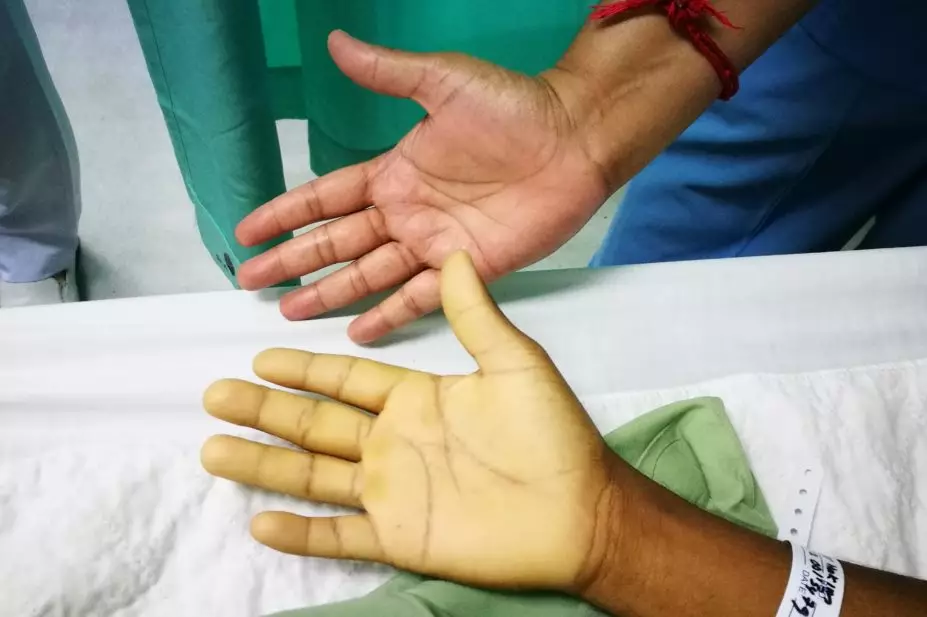
- Pale skin
- Shortness of breath
- Dizziness
- Cold hands and feet
Who Is at Risk?
Certain groups are more vulnerable:
- Women (especially during pregnancy)
- Children
- Individuals with poor diets
- People with chronic illnesses
Anemia in South Africa
Anemia is prevalent in South Africa due to factors such as:
- Nutritional deficiencies
- Infectious diseases
- Limited access to healthcare in some areas
The World Health Organization highlights anemia as a global health concern affecting millions of people.
How Anemia Is Diagnosed
Anemia is diagnosed through blood tests that measure:
- Hemoglobin levels
- Red blood cell count
Early diagnosis allows for effective treatment.
Treatment of Anemia
Treatment depends on the cause.
1. Iron Supplements
Used for iron-deficiency anemia.
2. Vitamin Supplements
For deficiencies in vitamin B12 or folate.
3. Dietary Changes
Including iron-rich foods such as:
- Leafy greens
- Beans
- Meat
- Fortified foods
4. Treating Underlying Conditions
Managing chronic diseases can improve anemia.
Preventing Anemia
Prevention strategies include:
- Eating a balanced diet
- Ensuring adequate iron and vitamin intake
- Regular health checkups
When to Seek Medical Advice
Consult a healthcare provider if:
- You experience persistent fatigue
- You notice symptoms of anemia
- You belong to a high-risk group
Anemia is a common but treatable condition. With proper nutrition, early diagnosis, and appropriate treatment, individuals can manage anemia effectively and improve their quality of life.
In South Africa, increasing awareness and access to healthcare can help reduce the burden of anemia and improve overall public health.

Related Posts