Health screenings are a key part of preventive healthcare. They help detect diseases early often before symptoms appear allowing for timely treatment and better health outcomes.
In South Africa, where many chronic conditions such as hypertension, diabetes, and certain cancers may go undiagnosed, regular health screenings are essential for reducing illness and improving quality of life.
Early detection not only saves lives but also reduces the cost and complexity of treatment.
What Are Health Screenings?
Health screenings are medical tests or examinations used to check for diseases or risk factors in individuals who may not yet show symptoms.
They are designed to:
- Identify conditions early
- Detect risk factors
- Monitor overall health
- Guide preventive interventions
Screenings are typically recommended based on age, gender, family history, and lifestyle.
What Is Early Detection?
Early detection refers to identifying a disease at an early stage, often before noticeable symptoms develop.
This allows for:
- More effective treatment
- Slower disease progression
- Reduced risk of complications
- Improved survival rates (especially in cancers)
Why Health Screenings Are Important
1. Detect Silent Conditions
Many serious conditions develop without symptoms, including:
- High blood pressure
- Diabetes
- High cholesterol
Screenings help identify these early.
2. Improve Treatment Outcomes
Conditions detected early are often easier to treat and manage.
3. Reduce Healthcare Costs
Early treatment is usually less expensive than managing advanced disease.
4. Promote Preventive Action
Screenings provide an opportunity to adopt healthier lifestyle habits.
Common Health Screenings
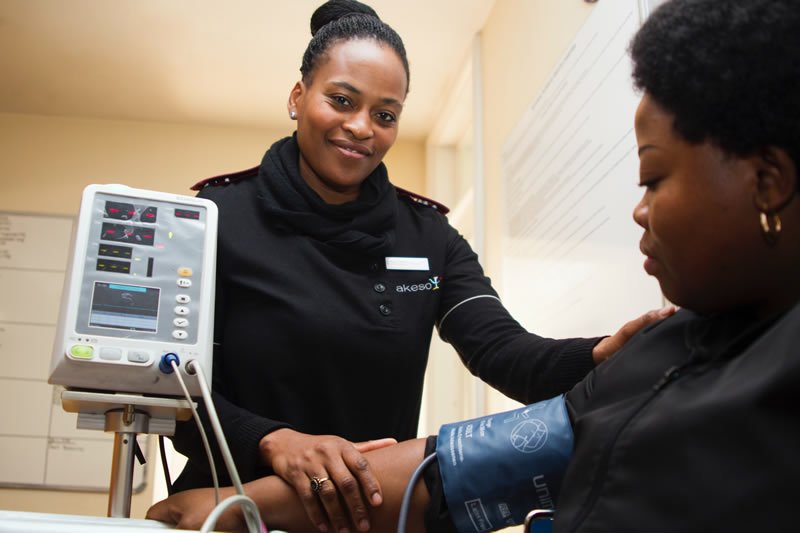
1. Blood Pressure Screening
Used to detect hypertension, a major risk factor for heart disease and stroke.
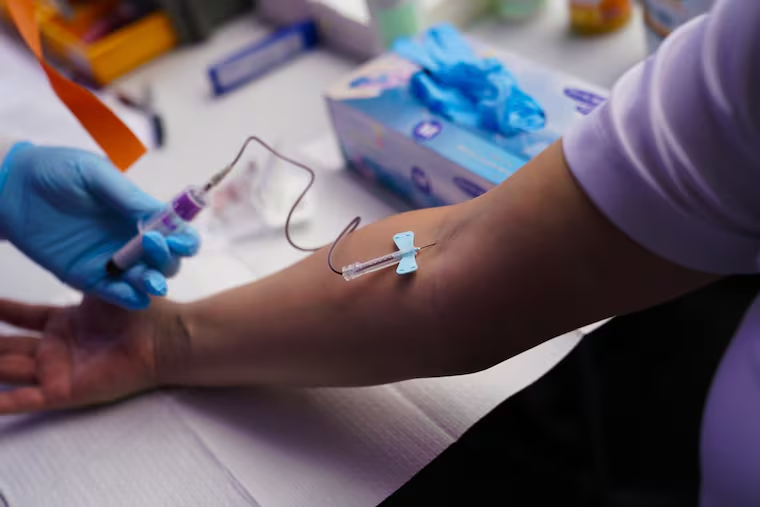
2. Blood Glucose Testing
Helps identify diabetes or prediabetes.
3. Cholesterol Testing
Measures fat levels in the blood, which affect heart health.
4. Cancer Screenings
Depending on age and gender, these may include:
- Cervical screening (Pap smear)
- Breast screening
- Prostate screening
5. Body Mass Index (BMI)
Assesses weight-related health risk.
6. HIV and Infectious Disease Screening
Important for early treatment and prevention of transmission.
Who Should Get Screened?
Screening recommendations vary, but generally:
- Adults should have routine screenings annually
- Individuals over 40 may require more frequent testing
- People with family history of disease may need earlier screening
- Those with risk factors (e.g., smoking, obesity) require closer monitoring
Healthcare providers can recommend appropriate screening schedules.
Health Screenings in South Africa
South Africa offers screening services through both public and private healthcare systems.
These include:
- Clinics providing basic screenings
- Community health programs
- Workplace wellness programs
The World Health Organization emphasizes early detection as a key strategy in reducing global disease burden.
Barriers to Health Screenings
Despite their importance, many people do not get screened regularly due to:
- Lack of awareness
- Fear of diagnosis
- Financial limitations
- Limited access to healthcare facilities
- Cultural beliefs
Addressing these barriers is essential for improving public health.
The Role of Lifestyle in Early Detection
While screenings are important, daily habits also play a role in prevention.
Healthy lifestyle choices include:
- Balanced nutrition
- Regular exercise
- Adequate sleep
- Stress management
These habits may reduce the risk of developing chronic diseases.
How Often Should You Get Screened?
General guidelines:
- Annual checkups for most adults
- More frequent screenings for high-risk individuals
- Age-specific screenings as recommended by healthcare providers
Personalized screening plans are ideal.
When to Seek Medical Advice
Consult a healthcare provider if:
- You have not had recent screenings
- You have a family history of illness
- You notice unusual symptoms
- You have lifestyle risk factors
Do not wait for symptoms before seeking care.
The Role of Public Awareness
Increasing awareness about screenings can:
- Encourage early detection
- Reduce stigma
- Promote health-seeking behavior
- Improve overall community health
Education campaigns are important in South Africa.
Health screenings and early detection are essential components of preventive care. They allow individuals to take control of their health and reduce the risk of serious illness.
In South Africa, improving access to screenings and raising awareness can significantly enhance health outcomes and reduce the burden of disease.
Regular checkups, informed decisions, and proactive healthcare can make a lasting difference.

Related Posts