Immunization is one of the most effective ways to protect individuals and communities from infectious diseases. Vaccines are not only important, but they must also be given at the right time to provide maximum protection.
This is where immunization schedules play a crucial role. These schedules outline when vaccines should be administered throughout life, particularly during childhood when the immune system is still developing.
In South Africa, following recommended immunization schedules is essential for preventing disease outbreaks and ensuring long-term public health.
What Is an Immunization Schedule?
An immunization schedule is a plan that outlines:
- Which vaccines are needed
- The age at which they should be given
- The number of doses required
These schedules are developed based on scientific research to ensure vaccines are given at the most effective times.
Why Timing Matters in Vaccination
Vaccines are scheduled at specific ages for important reasons.
1. Protecting Early in Life
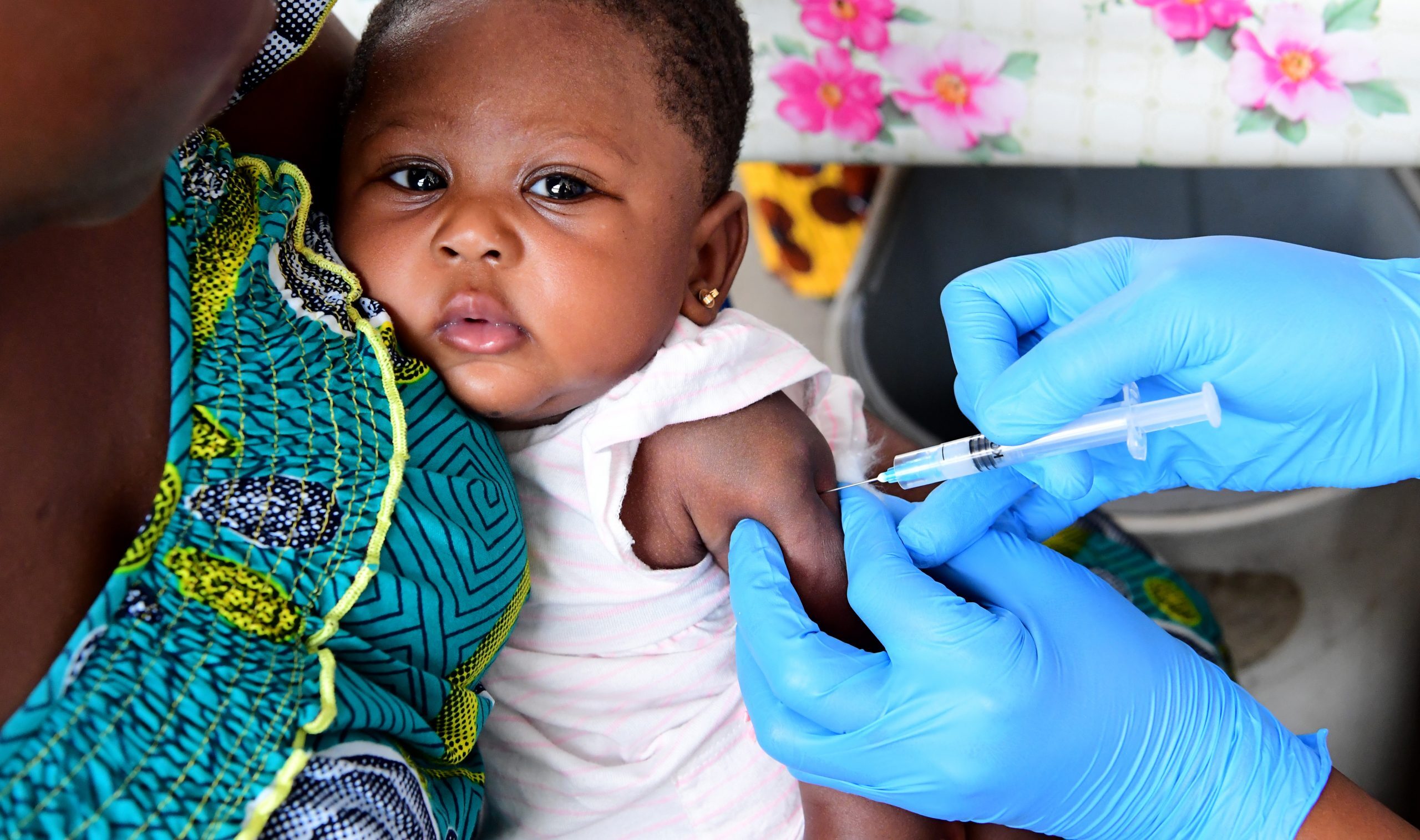
Infants and young children are more vulnerable to infections because their immune systems are still developing.
Vaccines provide early protection against serious diseases.
2. Maximizing Immune Response
Vaccines are timed to ensure the body responds effectively and builds strong immunity.
3. Providing Long-Term Protection
Some vaccines require multiple doses to maintain immunity over time.
Common Vaccines in Childhood Schedules
Children typically receive vaccines for diseases such as:
- Measles
- Polio
- Tuberculosis
- Hepatitis
- Diphtheria
These vaccines protect against potentially life-threatening conditions.
Immunization Schedule in South Africa
South Africa has a national immunization program that provides vaccines at different stages of life, especially during infancy and early childhood.
Vaccinations are commonly given:
- At birth
- During the first year of life
- During early childhood
The World Health Organization supports national immunization programs as a key strategy for disease prevention.
Why Multiple Doses Are Needed
Some vaccines require more than one dose.
This is because:
- The first dose builds initial immunity
- Additional doses strengthen and prolong protection
Skipping doses can reduce effectiveness.
What Happens If Vaccines Are Delayed?
Delaying vaccinations may:
- Increase the risk of infection
- Reduce protection during vulnerable periods
- Lead to incomplete immunity
It is important to follow the recommended schedule as closely as possible.
Catch-Up Vaccination
If a vaccine is missed, catch-up schedules can help individuals get back on track.
Healthcare providers can:
- Assess missed vaccines
- Provide guidance on next steps
- Ensure proper protection is restored
Adult Immunization
Vaccination is not only for children.
Adults may need vaccines for:
- Influenza
- Tetanus boosters
- Travel-related diseases
Maintaining immunization throughout life is important.
Safety of Immunization Schedules
Immunization schedules are carefully designed based on:
- Scientific research
- Clinical trials
- Ongoing monitoring
Vaccines are tested to ensure they are safe and effective.
Addressing Common Concerns
Concern 1: Too Many Vaccines at Once
The immune system can handle multiple vaccines safely.
Concern 2: Delaying Vaccines Is Safer
Delays can leave individuals unprotected.
Concern 3: Vaccines Are Optional
Vaccines are essential for preventing serious diseases and protecting communities.
The Role of Parents and Caregivers
Parents and caregivers play a key role by:
- Keeping vaccination records
- Attending scheduled appointments
- Following healthcare guidance
When to Consult a Healthcare Provider
Seek advice if:
- You are unsure about vaccination schedules
- A dose has been missed
- There are concerns about side effects
Immunization schedules are essential for ensuring vaccines provide maximum protection at the right time. By following recommended schedules, individuals can protect themselves and contribute to the overall health of their communities.
In South Africa, adherence to immunization programs is a key step toward preventing disease and improving public health outcomes.
Staying informed and up to date with vaccinations is one of the most effective ways to safeguard long-term health.

Related Posts