A balanced diet is one of the most important foundations of good health. The food we eat provides the nutrients our bodies need to function properly, maintain energy levels, and prevent disease.
In South Africa, changing lifestyles, urbanization, and increased consumption of processed foods have contributed to rising rates of obesity, diabetes, and heart disease. Understanding how to maintain a balanced diet is essential for improving overall health and preventing chronic conditions.
Healthy eating does not require extreme restrictions it is about making consistent, informed choices.
What Is a Balanced Diet?
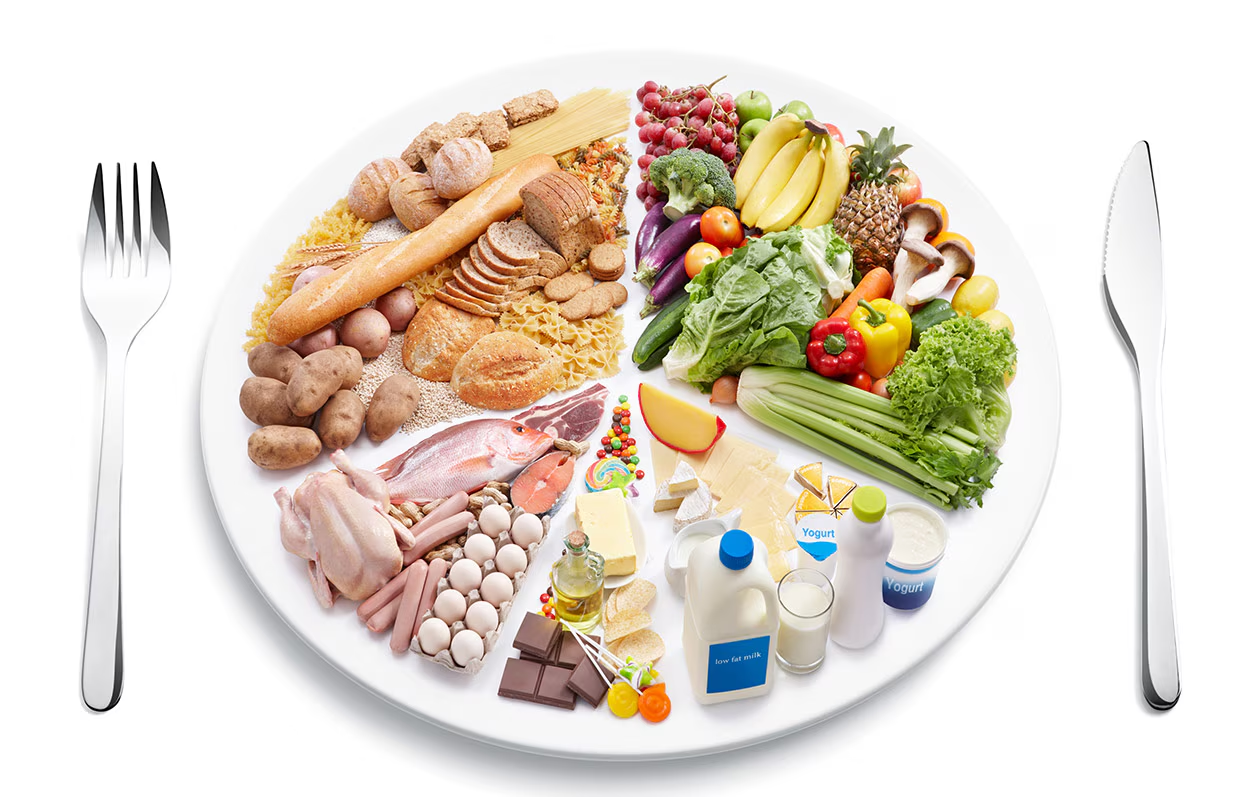
A balanced diet includes a variety of foods in the right proportions to provide essential nutrients.
These nutrients include:
- Carbohydrates
- Proteins
- Fats
- Vitamins
- Minerals
- Water
Each plays a unique role in maintaining health.
The Main Components of a Balanced Diet
1. Carbohydrates
Carbohydrates are the body’s primary source of energy.
Healthy sources include:
- Whole grains (brown bread, maize meal, oats)
- Fruits
- Vegetables
- Legumes
Refined carbohydrates (such as sugary snacks and white bread) should be limited.
2. Proteins
Proteins are essential for:
- Muscle growth and repair
- Immune function
- Hormone production
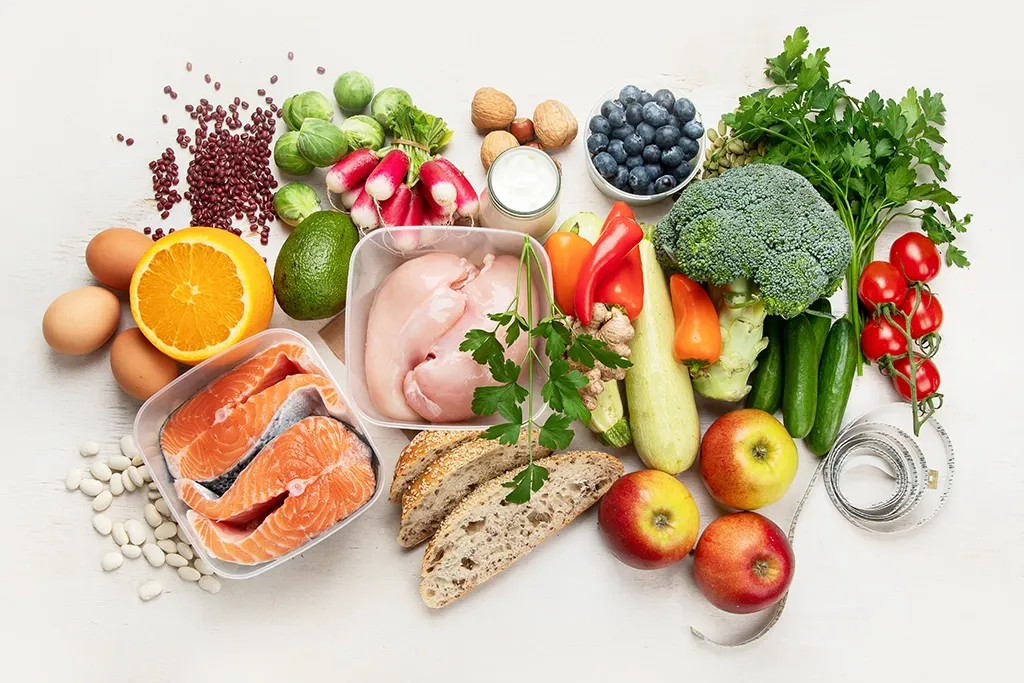
Good sources include:
- Lean meat
- Fish
- Eggs
- Beans and lentils
- Dairy products
3. Healthy Fats
Fats are important for:
- Brain function
- Hormone production
- Absorption of certain vitamins
Healthy sources include:
- Avocados
- Nuts and seeds
- Vegetable oils
Trans fats and excessive saturated fats should be avoided.
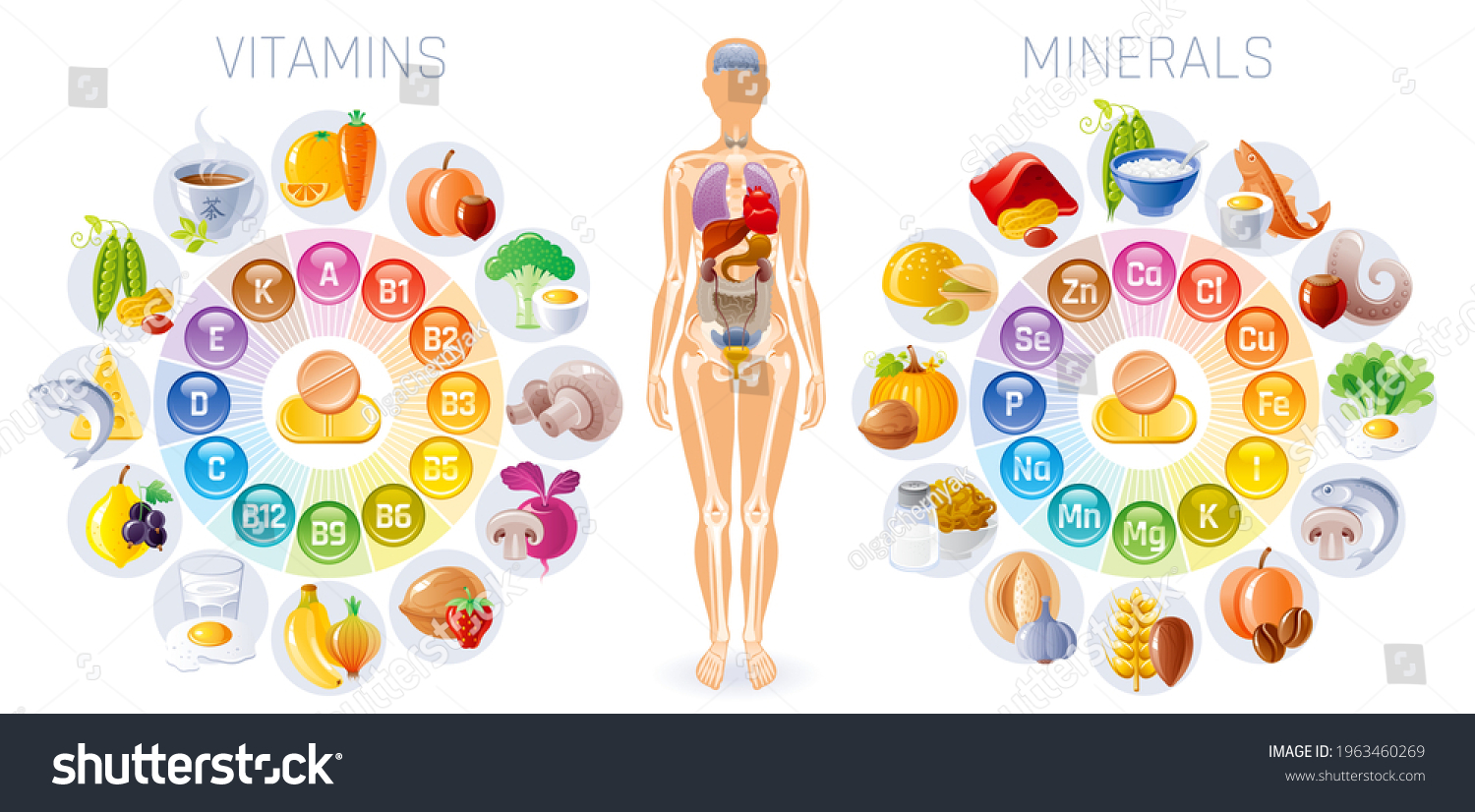
4. Vitamins and Minerals
These micronutrients support:
- Immune health
- Bone strength
- Energy production
They are found in fruits, vegetables, and whole foods.
5. Water
Water is essential for:
- Hydration
- Digestion
- Temperature regulation
Adequate daily water intake is important for overall health.
Portion Control and Balance
Eating the right foods is important, but so is eating the right amounts.
Tips for portion control:
- Avoid overeating
- Use smaller plates
- Balance meals with different food groups
- Eat slowly and mindfully
The Importance of a Balanced Diet
A balanced diet helps:
- Maintain a healthy weight
- Support immune function
- Improve energy levels
- Reduce risk of chronic diseases
- Support mental well-being
The World Health Organization emphasizes healthy eating as a key factor in disease prevention.
Healthy Eating in South Africa
South Africa has diverse food options, but challenges include:
- Increased consumption of processed foods
- High sugar intake
- High salt consumption
- Limited access to healthy foods in some areas
Traditional diets that include whole foods can support better health.
Common Dietary Mistakes
1. Skipping Meals
May lead to overeating later in the day.
2. High Sugar Intake
Linked to obesity and diabetes.
3. Excess Salt Consumption
Increases risk of high blood pressure.
3. Excess Salt Consumption
Increases risk of high blood pressure.
Building a Healthy Plate
A simple way to structure meals:
- Half the plate: Fruits and vegetables
- One quarter: Whole grains
- One quarter: Protein
- Include healthy fats in moderation
This approach supports balanced nutrition.
Special Considerations
Children
Require nutrient-rich foods for growth and development.
Older Adults
May need nutrient-dense foods and adequate hydration.
Individuals with Chronic Conditions
May require specific dietary adjustments.
Tips for Maintaining a Balanced Diet
- Plan meals in advance
- Cook at home when possible
- Read food labels
- Limit processed foods
- Stay hydrated
- Eat a variety of foods
Consistency is key.
When to Seek Professional Advice
Consult a healthcare provider or nutrition professional if:
- You have dietary concerns
- You are managing a chronic condition
- You need help with weight management
- You are planning significant dietary changes
A balanced diet is essential for maintaining good health and preventing chronic diseases. By making informed food choices and adopting healthy eating habits, individuals can improve their quality of life and long-term well-being.
In South Africa, promoting balanced nutrition is an important step toward reducing the burden of lifestyle-related diseases.

Related Posts