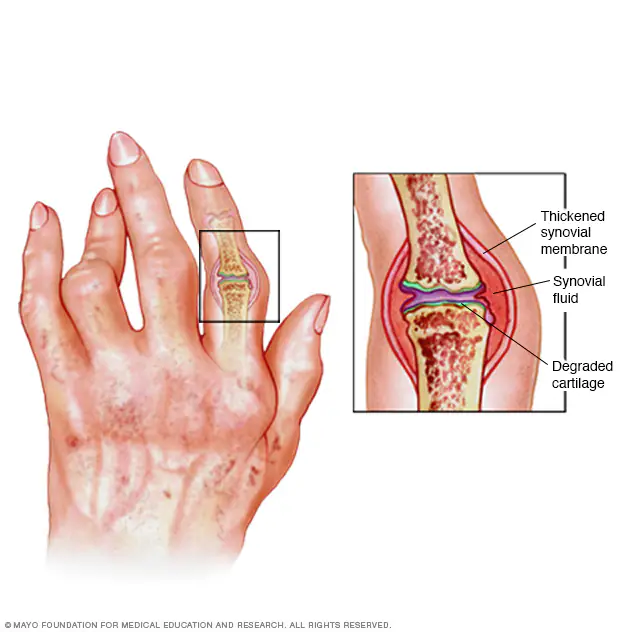
Arthritis is a common condition that affects the joints, causing pain, stiffness, and reduced mobility. It is one of the leading causes of disability worldwide and can affect people of all ages, although it is more common in older adults.
In South Africa, arthritis contributes significantly to chronic pain and reduced quality of life, particularly among aging populations and individuals with physically demanding jobs.
While there is no cure for most types of arthritis, early diagnosis and proper management can help reduce symptoms and improve daily functioning.
What Is Arthritis?
Arthritis is not a single disease but a term used to describe a group of conditions that affect the joints and surrounding tissues.
Joints are the areas where two bones meet, such as:
- Knees
- Hips
- Hands
- Spine
When joints become inflamed or damaged, it can result in pain and limited movement.
Common Types of Arthritis
There are more than 100 types of arthritis, but the most common include:
1. Osteoarthritis
- The most common form
- Caused by gradual wear and tear of joint cartilage
- Often affects knees, hips, and hands
- More common with aging
2. Rheumatoid Arthritis
- An autoimmune condition
- The immune system attacks joint tissues
- Causes inflammation, swelling, and pain
- May affect multiple joints
3. Gout
- Caused by buildup of uric acid crystals in joints
- Often affects the big toe
- Sudden, severe pain episodes
4. Psoriatic Arthritis
- Associated with the skin condition psoriasis
- Causes joint pain and swelling
Symptoms of Arthritis
Symptoms may vary depending on the type, but common signs include:
- Joint pain
- Stiffness (especially in the morning)
- Swelling
- Reduced range of motion
- Warmth around joints
- Weakness
Symptoms may develop gradually or suddenly.
Causes and Risk Factors
1. Age
Risk increases with age, especially for osteoarthritis.
2. Genetics
Family history may increase susceptibility, particularly for rheumatoid arthritis.
3. Joint Injury
Previous injuries may lead to arthritis later in life.
4. Lifestyle Factors
- Physical inactivity
- Excess body weight
- Repetitive joint stress
5. Autoimmune Conditions
Some types, like rheumatoid arthritis, involve immune system dysfunction.
Arthritis in South Africa
Factors contributing to arthritis in South Africa may include:
- Aging population
- Manual labor occupations
- Limited access to early diagnosis
- Obesity and sedentary lifestyles
Public awareness and early intervention are important for reducing disability.
How Arthritis Affects Daily Life
Arthritis may impact:
- Mobility
- Ability to work
- Independence
- Mental well-being
Chronic pain can also contribute to stress, anxiety, or depression.
Diagnosis of Arthritis
Diagnosis involves:
- Medical history review
- Physical examination
- Imaging tests (X-rays, MRI)
- Blood tests (for autoimmune types)
Accurate diagnosis is essential for proper treatment.
Treatment and Management
Although arthritis cannot always be cured, symptoms can often be managed effectively.
1. Medication
Doctors may prescribe:
- Pain relievers
- Anti-inflammatory drugs
- Disease-modifying medications (for autoimmune types)
Medication must be taken under medical supervision.
2. Physical Therapy
Helps improve:
- Joint flexibility
- Strength
- Mobility
3. Lifestyle Changes
Regular Physical Activity
Low-impact exercises such as walking or swimming may help maintain joint function.
Weight Management
Reducing excess weight decreases pressure on joints.
Balanced Diet
Nutrient-rich foods support overall health.
4. Assistive Devices
Braces, supports, or walking aids may help reduce strain on joints.
5. Surgical Options
In severe cases, procedures such as joint replacement may be considered.
Preventing Arthritis or Reducing Risk
While not all types can be prevented, risk may be reduced by:
- Maintaining a healthy weight
- Staying physically active
- Protecting joints from injury
- Managing underlying conditions
When to See a Healthcare Professional
Seek medical advice if you experience:
- Persistent joint pain
- Swelling lasting more than a few days
- Difficulty moving joints
- Morning stiffness lasting more than 30 minutes
Early diagnosis improves outcomes.
Public Health Awareness
Organizations such as the World Health Organization emphasize the importance of managing chronic musculoskeletal conditions to improve quality of life.
Increased awareness in South Africa can help promote early treatment and reduce disability.
Arthritis is a common condition that can significantly affect daily life. However, with proper management, many individuals can maintain mobility and independence.
Understanding symptoms, seeking early medical care, and adopting healthy lifestyle habits are key steps in managing arthritis effectively.

Related Posts