Diabetes is a chronic medical condition that affects how the body processes blood sugar (glucose). Glucose is the body’s main source of energy, and its levels are regulated by a hormone called insulin.
When this process is disrupted, blood sugar levels can become too high, leading to serious health complications over time.
In South Africa, diabetes is a growing public health concern, affecting millions of people. Many individuals remain undiagnosed, increasing the risk of complications such as heart disease, kidney damage, and vision problems.
Understanding diabetes is essential for early detection, proper management, and long-term health.
What Is Diabetes?
Diabetes occurs when the body either:
- Does not produce enough insulin
- Cannot effectively use insulin
- Or both
This results in elevated levels of glucose in the blood.
Types of Diabetes
1. Type 1 Diabetes
- An autoimmune condition
- The body attacks insulin-producing cells in the pancreas
- Usually develops in childhood or adolescence
- Requires lifelong insulin therapy
2. Type 2 Diabetes
- The most common type
- The body becomes resistant to insulin or does not produce enough
- Often linked to lifestyle and genetic factors
- Develops gradually
3. Gestational Diabetes
- Occurs during pregnancy
- Usually resolves after childbirth
- May increase risk of developing Type 2 diabetes later in life
Diabetes in South Africa
Diabetes prevalence is increasing due to:
- Urbanization
- Sedentary lifestyles
- Dietary changes
- Rising obesity rates
The World Health Organization identifies diabetes as a major global health concern, particularly in low- and middle-income countries.
Public awareness and early screening are critical in reducing complications.
Symptoms of Diabetes
Symptoms may develop gradually, especially in Type 2 diabetes.
Common symptoms include:
- Increased thirst
- Frequent urination
- Extreme hunger
- Fatigue
- Blurred vision
- Slow-healing wounds
- Unexplained weight loss (more common in Type 1 diabetes)
Some individuals may have no symptoms, making regular screening important.
Causes and Risk Factors
1. Genetic Factors
Family history increases the likelihood of developing diabetes.
2. Lifestyle Factors
- Physical inactivity
- Unhealthy diet (high in processed foods and sugar)
- Excess body weight
3. Age
Risk increases with age, especially after 40.
4. Other Health Conditions
- High blood pressure
- High cholesterol
- Previous gestational diabetes
How Diabetes Affects the Body
High blood sugar over time can damage blood vessels and organs.
1. Heart and Blood Vessels
Increased risk of heart disease and stroke.
2. Kidneys
May lead to kidney disease or failure.
3. Eyes
Can cause diabetic retinopathy, potentially leading to vision loss.
4. Nerves
Nerve damage (neuropathy) may cause pain or loss of sensation, especially in the feet.
5. Immune System
Higher susceptibility to infections.
Diagnosis of Diabetes
Diagnosis typically involves blood tests such as:
- Fasting blood glucose test
- HbA1c test (average blood sugar over time)
- Oral glucose tolerance test
Only a healthcare professional can diagnose diabetes.
Management and Treatment
Diabetes management focuses on maintaining healthy blood sugar levels.
1. Healthy Eating
A balanced diet may include:
- Whole grains
- Fruits and vegetables
- Lean protein
- Reduced sugar and refined carbohydrates
2. Physical Activity
Regular exercise helps:
- Improve insulin sensitivity
- Control weight
- Lower blood sugar levels
3. Medication
Doctors may prescribe:
- Oral medications
- Insulin therapy
Treatment depends on the type and severity of diabetes.
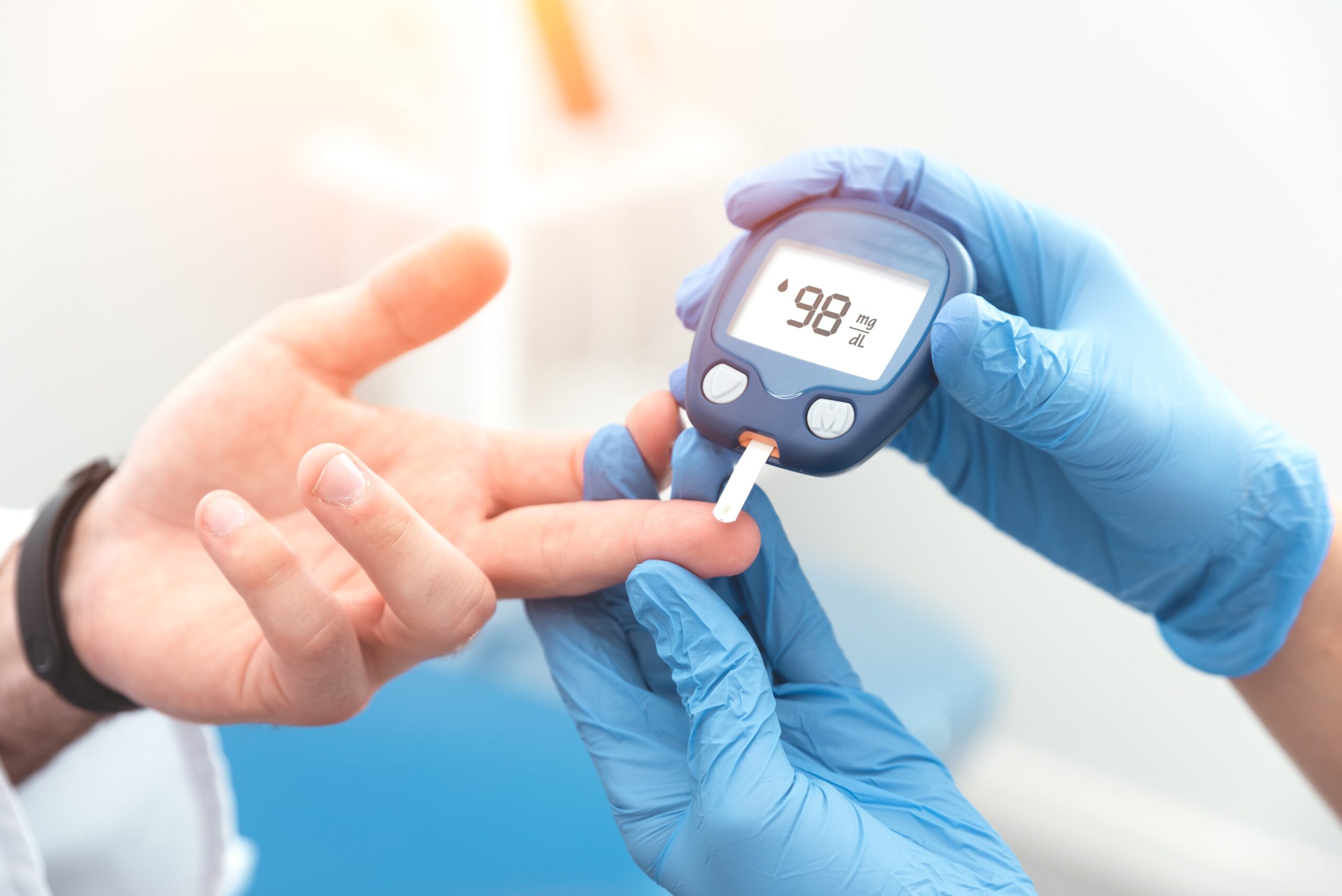
4. Monitoring Blood Sugar
Regular monitoring helps individuals and healthcare providers adjust treatment plans.
Preventing Type 2 Diabetes
Preventive steps include:
- Maintaining a healthy weight
- Eating a balanced diet
- Staying physically active
- Avoiding tobacco use
- Regular health screenings
Early lifestyle changes can significantly reduce risk.
Diabetes and Mental Health
Living with a chronic condition may affect emotional well-being.
Individuals may experience:
- Stress
- Anxiety
- Burnout
Psychological support may be beneficial as part of comprehensive care.
When to Seek Medical Care
Consult a healthcare provider if you:
- Experience symptoms of diabetes
- Have a family history
- Are overweight or physically inactive
- Have high blood pressure
Early diagnosis improves long-term outcomes.
Public Health Efforts in South Africa
Efforts to address diabetes include:
- Awareness campaigns
- Screening programs
- Nutrition education
- Community health initiatives
Improving access to healthcare remains a key priority.
Diabetes is a serious but manageable condition. With early detection, appropriate treatment, and healthy lifestyle choices, individuals can live full and active lives.
In South Africa, increasing awareness and promoting preventive strategies are essential to reducing the burden of the disease.
Regular check-ups and informed health decisions play a crucial role in long-term management.

Related Posts