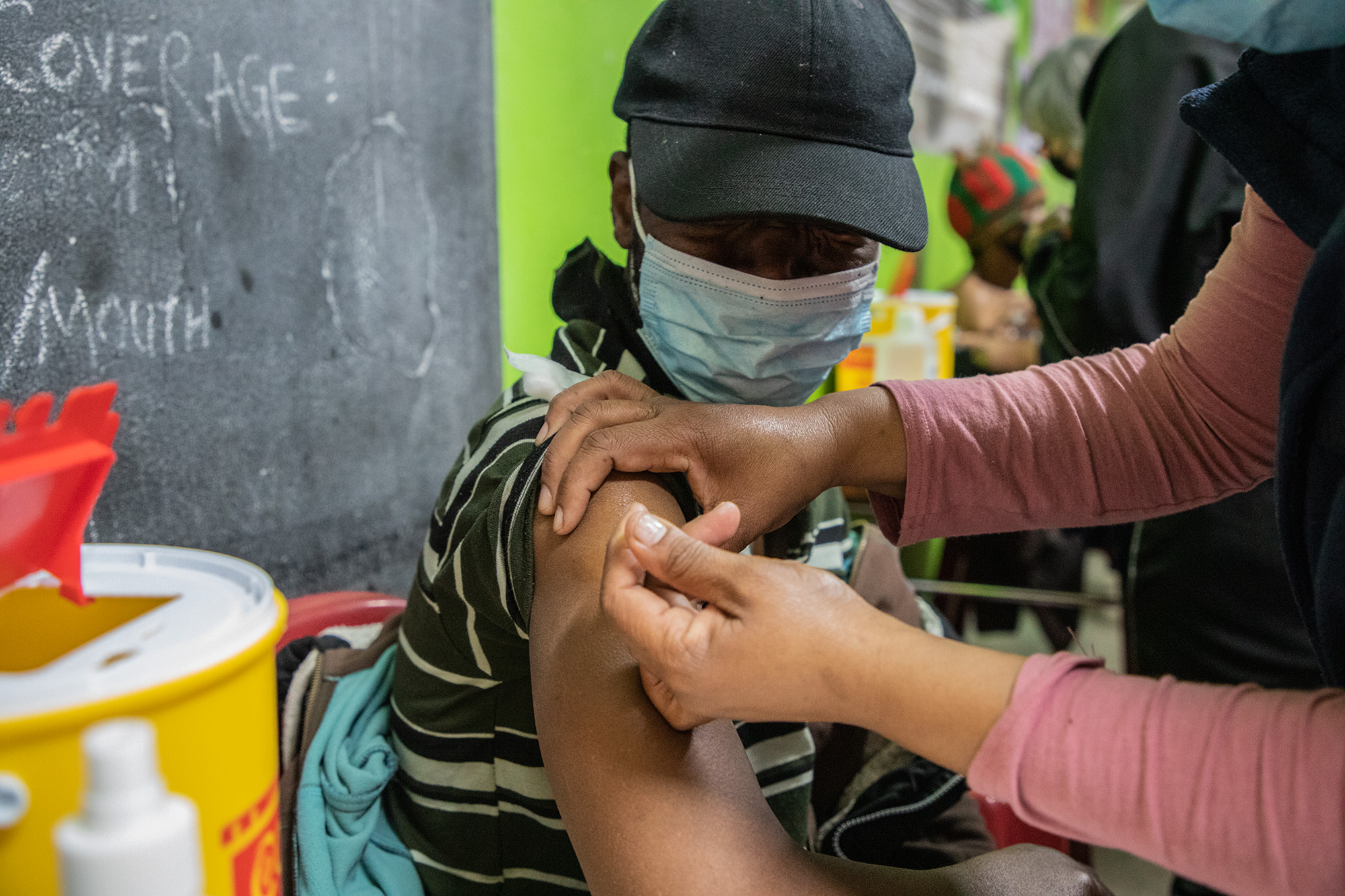
Vaccination is one of the most effective public health interventions in modern medicine. It has helped reduce, and in some cases eliminate, life-threatening infectious diseases worldwide.
In South Africa, vaccination programs play a critical role in protecting individuals, especially children, from preventable illnesses. Despite their proven benefits, misconceptions and lack of awareness sometimes reduce vaccination uptake.
Understanding how vaccines work and why they are important can help individuals make informed health decisions and contribute to healthier communities.
How Vaccines Work
When a vaccine is introduced into the body:
- The immune system recognizes it as foreign
- It produces antibodies to fight it
- It “remembers” the pathogen
If the person is later exposed to the actual disease, the immune system can respond quickly and effectively.
Why Vaccination Is Important
1. Prevents Serious Diseases
Vaccines protect against diseases such as:
- Measles
- Polio
- Tuberculosis
- Hepatitis
- Influenza
Many of these diseases can lead to severe complications or death.
2. Reduces Disease Spread
Vaccinated individuals are less likely to transmit infections, helping protect others.
3. Protects Vulnerable Populations
Some individuals cannot receive vaccines due to medical reasons. These include:
- Infants
- Elderly individuals
- People with weakened immune systems
Vaccination helps protect them through community immunity.
4. Reduces Healthcare Burden
Preventing disease reduces:
- Hospital admissions
- Medical costs
- Pressure on healthcare systems
What Is Community (Herd) Immunity?
Community immunity occurs when a large portion of the population is vaccinated, reducing the spread of disease.
This protects individuals who are not vaccinated by lowering overall transmission.
High vaccination coverage is essential to maintain community immunity.
Vaccination Programs in South Africa
South Africa has a national immunization program aimed at protecting children and communities.
The program includes vaccines for:
- Tuberculosis (BCG)
- Polio
- Measles
- Hepatitis B
- Diphtheria
- Tetanus
The World Health Organization supports vaccination programs globally and works with governments to improve coverage.
Common Misconceptions About Vaccines
“Vaccines cause the disease”
Vaccines are designed to stimulate immunity, not cause illness.
“Vaccines are not necessary anymore”
Some diseases are less common due to vaccination. Stopping vaccines may lead to outbreaks.
“Natural immunity is better”
While natural infection can provide immunity, it also carries risks of severe complications.
Are Vaccines Safe?
Vaccines undergo extensive testing before approval.
They are monitored continuously for safety and effectiveness.
Most side effects are mild and temporary, such as:
- Soreness at the injection site
- Mild fever
- Fatigue
Serious side effects are rare.
Vaccination Across Different Life Stages
Children
Routine childhood vaccinations protect against early-life diseases.
Adults
Adults may need:
- Booster vaccines
- Flu vaccines
- Travel-related vaccines
Pregnant Women
Certain vaccines may be recommended to protect both mother and baby.
Barriers to Vaccination in South Africa
Challenges may include:
- Limited access in rural areas
- Lack of awareness
- Vaccine hesitancy
- Misinformation
Addressing these barriers is essential for improving coverage.
The Role of Public Education
Education helps:
- Build trust in vaccines
- Correct misinformation
- Encourage informed decisions
Healthcare providers play a key role in guiding individuals.
When to Consult a Healthcare Provider
Speak to a healthcare professional if:
- You are unsure about your vaccination schedule
- You missed vaccines
- You are traveling internationally
- You have underlying health conditions
Personalized advice ensures safe and effective vaccination.
Vaccination is a powerful tool for protecting individuals and communities from serious diseases. In South Africa, strengthening vaccination programs and improving public awareness can significantly improve health outcomes.
By choosing to vaccinate, individuals contribute not only to their own health but also to the well-being of society as a whole.

Related Posts