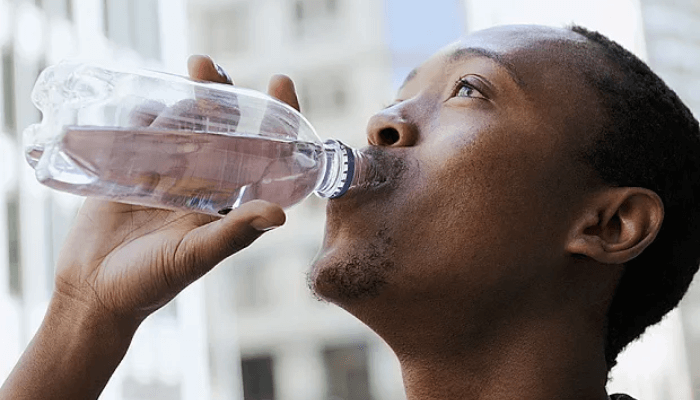
Water is essential for life. Every cell, tissue, and organ in the body depends on water to function properly. Despite this, many people do not drink enough fluids throughout the day.
In South Africa, especially in warmer climates, maintaining proper hydration is even more important. Dehydration can affect energy levels, physical performance, and overall health.
Understanding how much water you need and the role hydration plays in the body can help you maintain better health and prevent complications.
Why Hydration Is Important
Water supports many vital functions in the body.
Key roles include:
- Regulating body temperature
- Transporting nutrients
- Removing waste products
- Supporting digestion
- Maintaining joint lubrication
The World Health Organization emphasizes the importance of adequate hydration for overall health.
How Much Water Do You Need?
Water needs vary depending on several factors.
General guidelines:
- About 6–8 glasses of water per day
- More if you are physically active
- Increased intake in hot weather
Factors That Affect Water Needs
- Climate (hot environments require more water)
- Physical activity level
- Age and health status
- Pregnancy or breastfeeding
Signs of Dehydration
It is important to recognize early signs of dehydration.
Common symptoms include:
- Thirst
- Dry mouth
- Fatigue
- Dark-colored urine
- Dizziness
Severe dehydration may require medical attention.
Health Effects of Dehydration
Lack of adequate hydration can lead to:
- Reduced physical performance
- Headaches
- Kidney problems
- Heat-related illnesses
Benefits of Staying Hydrated
Proper hydration can:
- Improve energy levels
- Support brain function
- Enhance physical performance
- Promote healthy skin
- Aid digestion
Sources of Hydration
Water is the best source, but fluids can also come from:
- Fruits and vegetables
- Soups
- Milk
However, sugary drinks should be limited.Tips to Stay Hydrated
1. Drink Water Regularly
Do not wait until you feel thirsty.
2. Carry a Water Bottle
This makes it easier to drink throughout the day.
3. Eat Water-Rich Foods
Foods like fruits and vegetables contribute to hydration.
4. Increase Intake During Heat or Exercise
Drink more fluids when sweating.
5. Limit Sugary and Caffeinated Drinks
These may contribute to dehydration if consumed excessively.
Hydration in South Africa
Due to high temperatures in many regions, people in South Africa may be at higher risk of dehydration.
Staying hydrated is especially important for:
- Outdoor workers
- Athletes
- Children and elderly individuals
When to Seek Medical Advice
Consult a healthcare provider if:
- You experience severe dehydration
- Symptoms persist despite drinking fluids
- You have underlying health conditions
Hydration is a fundamental part of maintaining good health. Drinking enough water supports essential body functions, improves energy levels, and helps prevent health complications.
In South Africa, where climate conditions can increase the risk of dehydration, staying hydrated is especially important.
Making a habit of drinking enough water each day is a simple yet powerful step toward better health.

Related Posts