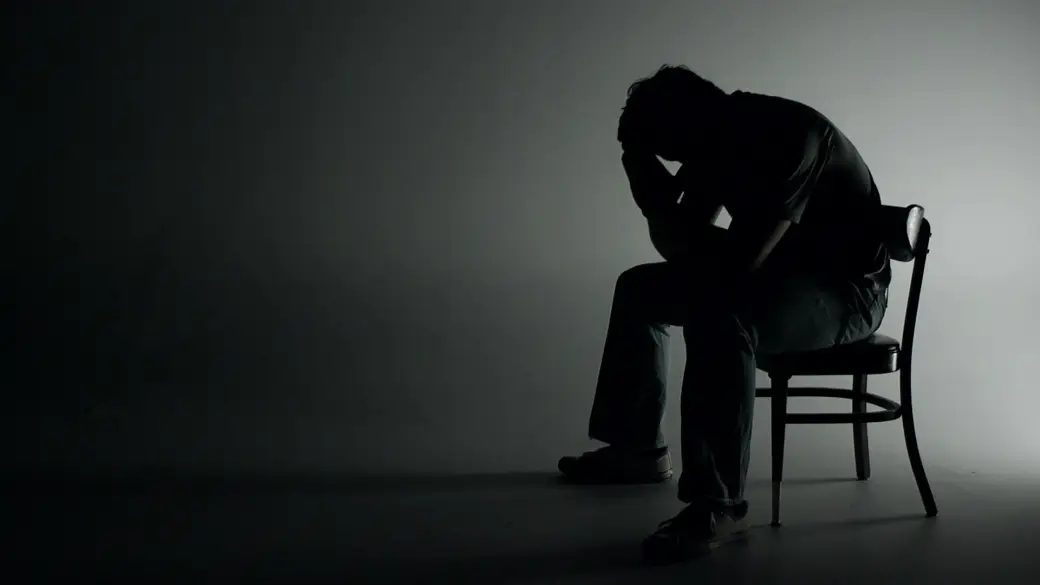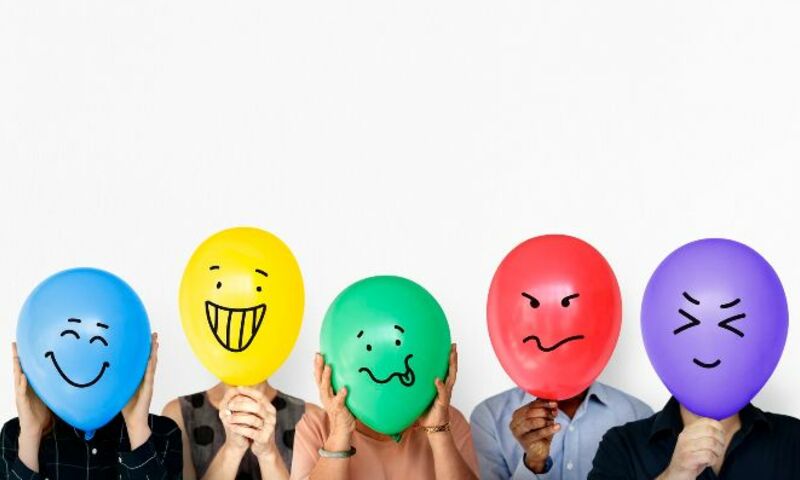
Self-esteem refers to how individuals perceive and value themselves. It plays a major role in mental health, influencing thoughts, emotions, and behavior. Healthy self-esteem supports confidence and resilience, while low self-esteem can contribute to anxiety, depression, and negative thinking patterns.
In South Africa, social pressures, economic challenges, and personal experiences can all impact self-esteem. Understanding how self-esteem works and how to improve it can help individuals build a healthier mindset and better emotional well-being.
What Is Self-Esteem?
Self-esteem is the overall sense of self-worth or personal value.
It affects:
- How you think about yourself
- How you handle challenges
- How you interact with others
Self-esteem can change over time and be influenced by life experiences.
Types of Self-Esteem
1. Healthy Self-Esteem
- Balanced self-view
- Confidence without arrogance
- Ability to handle criticism
2. Low Self-Esteem
- Negative self-image
- Lack of confidence
- Fear of failure
3. Inflated Self-Esteem
- Unrealistic self-perception
- Difficulty accepting feedback
Causes of Low Self-Esteem
Low self-esteem can develop due to:
- Negative life experiences
- Criticism or bullying
- Social comparison
- Past failures
- Trauma or stress
Effects of Low Self-Esteem on Mental Health
Low self-esteem can contribute to:
1. Anxiety
Constant self-doubt can increase worry.
2. Depression
Negative self-perception may lead to persistent sadness.
3. Poor Decision-Making
Lack of confidence can affect choices.
4. Relationship Difficulties
It may impact communication and trust.
The World Health Organization highlights the importance of mental well-being in overall health.
Signs of Low Self-Esteem
- Negative self-talk
- Avoiding challenges
- Fear of judgment
- Difficulty accepting compliments
- Comparing yourself to others
How to Build Healthy Self-Esteem
1. Practice Positive Self-Talk
Replace negative thoughts with balanced, realistic ones.
2. Set Realistic Goals
Achievable goals help build confidence.
3. Focus on Strengths
Recognize your skills and achievements.
4. Avoid Constant Comparison
Everyone has a different path and pace.
5. Build Supportive Relationships
Surround yourself with positive influences.
6. Take Care of Your Physical Health
Exercise, sleep, and nutrition support mental well-being.
Self-Esteem in South Africa
Cultural, social, and economic factors can influence self-esteem. Promoting mental health awareness and supportive communities can help individuals build confidence and resilience.
When to Seek Professional Help
Consider seeking help if:
- Low self-esteem affects daily life
- You experience anxiety or depression
- Negative thoughts become overwhelming
Self-esteem is a key part of mental health and overall well-being. By understanding its impact and taking steps to build confidence, individuals can improve their emotional health and quality of life.
In South Africa, increasing awareness about self-esteem and mental health can help create stronger, more resilient communities.
Small, consistent efforts can lead to meaningful improvements in how you see yourself and the world around you.

Related Posts