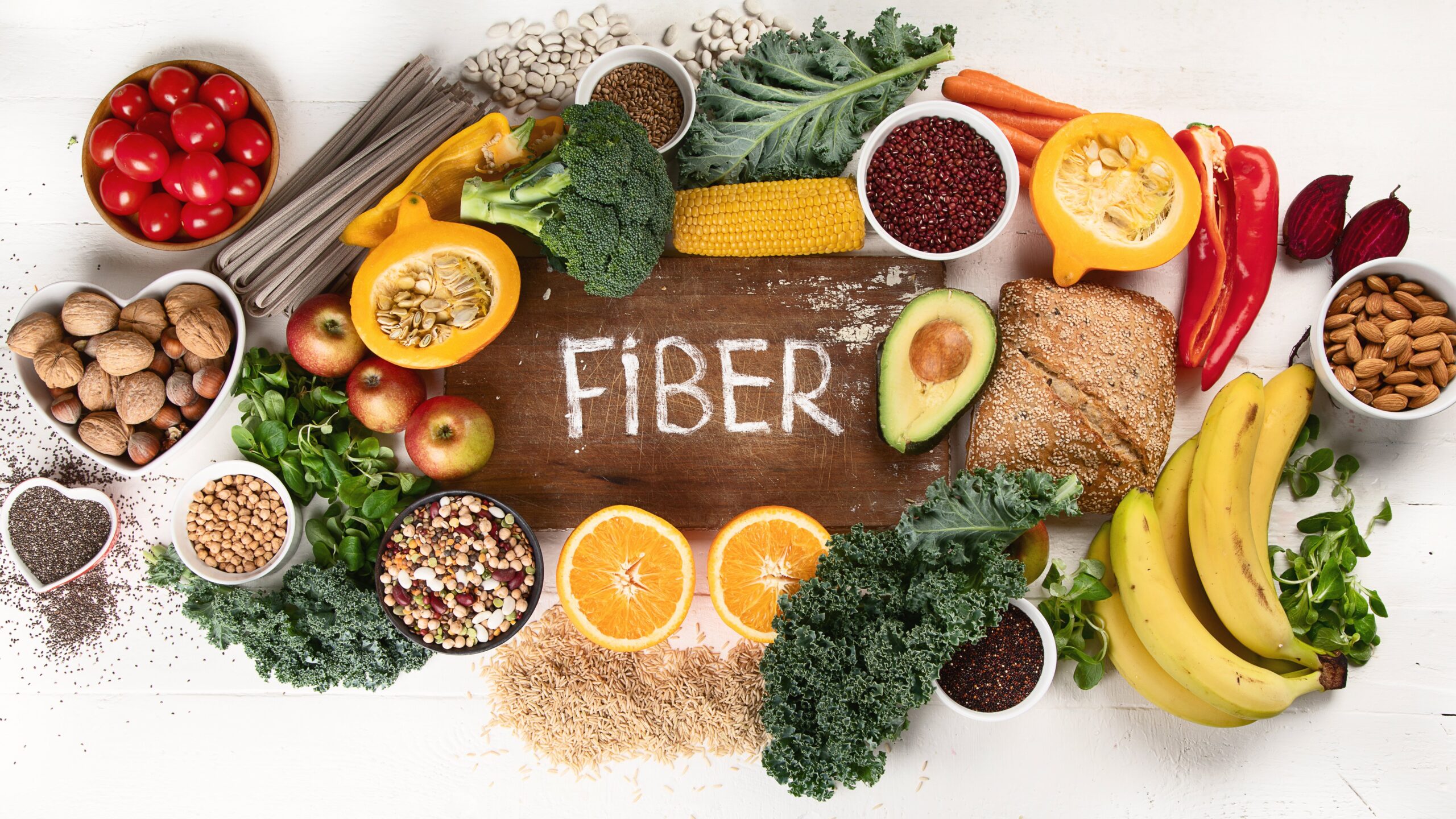
Eating healthy is not only about choosing the right foods it is also about eating the right amounts. Portion control plays a key role in maintaining a balanced diet, managing weight, and preventing chronic diseases.
In South Africa, larger portion sizes and increased consumption of processed foods have contributed to rising rates of obesity and related health conditions. Many people unknowingly consume more calories than their bodies need.
Understanding portion control can help individuals make better dietary choices and support long-term health.
What Is Portion Control?
Portion control refers to managing the amount of food you eat at one time.
It involves:
- Being aware of serving sizes
- Avoiding overeating
- Balancing food intake
Portion size is different from serving size, which is the recommended amount listed on food labels.
Why Portion Control Is Important
1. Prevents Overeating
Large portions can lead to excessive calorie intake.
2. Supports Weight Management
Controlling portions helps maintain a healthy body weight.
3. Reduces Risk of Chronic Diseases
Overeating is linked to:
- Obesity
- Type 2 diabetes
- Heart disease
The World Health Organization promotes balanced eating and portion control as part of a healthy lifestyle.
Common Causes of Oversized Portions
- Eating out frequently
- Large food packaging
- Emotional eating
- Lack of awareness
How to Practice Portion Control
1. Use Smaller Plates
Smaller plates can help reduce portion sizes without feeling deprived.
2. Read Food Labels
Check serving sizes and adjust portions accordingly.
3. Eat Slowly
This allows your body time to recognize fullness.
4. Avoid Eating Straight from the Package
Serve food onto a plate to better control portions.
5. Balance Your Plate
Include:
- Vegetables
- Proteins
- Whole grains
Visual Guide to Portion Sizes
Simple comparisons can help:
- A portion of meat = size of your palm
- A serving of rice = size of your fist
- A teaspoon of oil = tip of your thumb
Portion Control in South Africa
Cultural eating habits and food availability can influence portion sizes. Increasing awareness about balanced meals can help improve public health outcomes.
Portion Control and Weight Loss
Portion control is a practical and sustainable way to manage weight without extreme dieting.
It allows individuals to:
- Enjoy a variety of foods
- Maintain balance
- Avoid restrictive eating
Common Mistakes to Avoid
- Skipping meals (leading to overeating later)
- Ignoring hunger and fullness cues
- Assuming healthy foods can be eaten in unlimited amounts
When to Seek Advice
Consult a healthcare provider or nutrition expert if:
- You struggle with portion control
- You are managing a health condition
- You need a personalized diet plan
Portion control is a simple but powerful tool for maintaining a healthy diet and preventing disease. By becoming more aware of how much you eat and making small adjustments, you can improve your overall health and well-being.
In South Africa, promoting portion awareness can help address rising health challenges and encourage healthier lifestyles.

Related Posts