Hand hygiene is one of the simplest and most effective ways to prevent the spread of infections. Every day, people come into contact with surfaces, objects, and other individuals that may carry harmful germs.
In South Africa, where infectious diseases remain a public health concern, proper hand hygiene plays a critical role in protecting individuals and communities.
By understanding when and how to clean your hands properly, you can significantly reduce the risk of illness.
What Is Hand Hygiene?
Hand hygiene refers to cleaning hands to remove dirt, germs, and harmful microorganisms.
This can be done using:
- Soap and water
- Alcohol-based hand sanitizers
Why Hand Hygiene Is Important
Hand hygiene helps:
- Prevent the spread of infections
- Protect vulnerable individuals
- Reduce the burden on healthcare systems
The World Health Organization identifies hand hygiene as a key measure in infection prevention.
How Germs Spread
Germs can spread through:
- Direct contact with others
- Touching contaminated surfaces
- Contact with bodily fluids
Hands are one of the main ways germs enter the body.
When to Wash Your Hands
You should wash your hands:
- Before eating or preparing food
- After using the toilet
- After coughing or sneezing
- After touching public surfaces
- After caring for someone who is sick
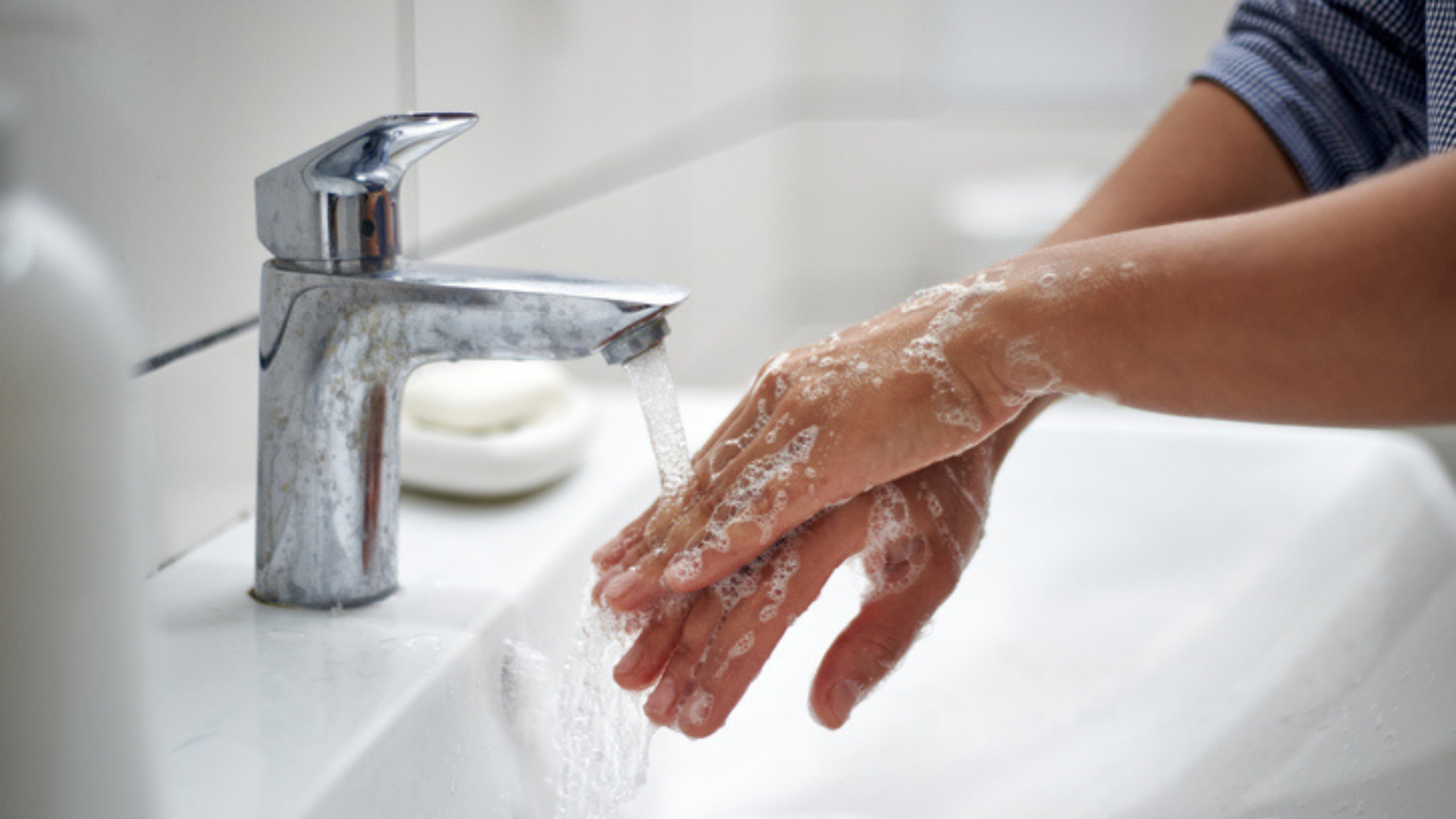
How to Wash Your Hands Properly
Steps for Effective Handwashing:
- Wet hands with clean water
- Apply soap
- Rub hands together for at least 20 seconds
- Clean between fingers and under nails
- Rinse thoroughly
- Dry with a clean towel
Using Hand Sanitizer
Hand sanitizer can be used when soap and water are not available.
Tips:
- Use a sanitizer with at least 60% alcohol
- Rub hands until dry
However, sanitizer is less effective on visibly dirty hands.
Common Mistakes in Hand Hygiene
- Washing hands too quickly
- Missing areas like fingertips and thumbs
- Not washing hands regularly
- Relying only on sanitizer
Hand Hygiene in South Africa
Hand hygiene is especially important in:
- Schools
- Healthcare settings
- Public transport environments
Improving access to clean water and hygiene education is essential.
Benefits of Good Hand Hygiene
- Reduces infections
- Protects families and communities
- Prevents outbreaks
Teaching Children Hand Hygiene
Children should be taught:
- When to wash hands
- Proper techniques
- Importance of hygiene
Early habits lead to lifelong health benefits.
When to Seek Medical Advice
Consult a healthcare provider if:
- You experience frequent infections
- You have concerns about hygiene-related illnesses
Hand hygiene is a simple yet powerful tool in preventing infections and protecting health. By practicing proper handwashing and hygiene habits, individuals can reduce the spread of disease and contribute to healthier communities.
In South Africa, promoting hand hygiene awareness is essential for improving public health and preventing illness.

Related Posts