Preventive healthcare is one of the most effective ways to maintain good health and detect potential problems early. Screening tests play a key role in identifying diseases before symptoms appear, allowing for timely treatment and better outcomes.
In South Africa, many serious conditions such as diabetes, hypertension, and certain cancers can be managed more effectively when detected early. Knowing which screening tests are important and when to take them can help individuals take control of their health.
What Are Screening Tests?
Screening tests are medical tests used to detect diseases or risk factors in people who do not yet show symptoms.
They are designed to:
- Identify early signs of disease
- Detect risk factors
- Guide preventive care decisions
Why Screening Tests Are Important
1. Early Detection
Many diseases develop silently. Screening helps identify them before they become severe.
2. Better Treatment Outcomes
Early treatment is often more effective and less complex.
3. Prevention of Complications
Managing conditions early can prevent long-term health problems.
The World Health Organization highlights screening as a key part of preventive healthcare.
Common Screening Tests for Adults
1. Blood Pressure Screening
- Detects hypertension
- Recommended regularly for all adults
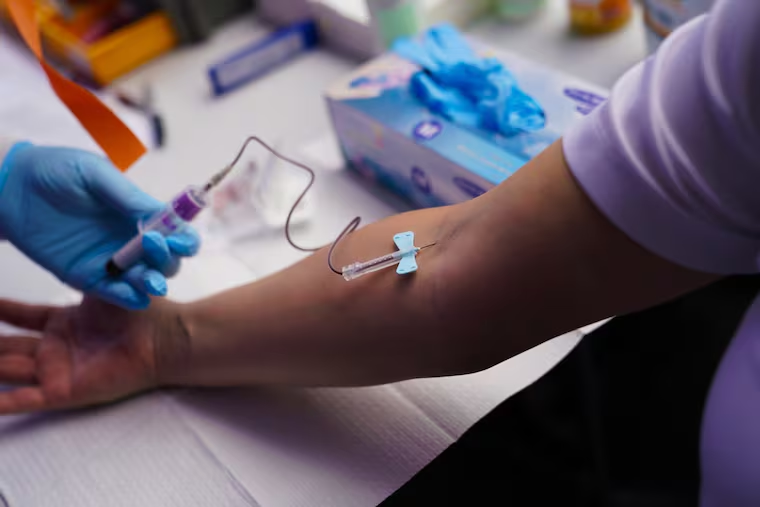
2. Blood Sugar Testing
- Helps detect diabetes or prediabetes
3. Cholesterol Screening
- Measures fat levels in the blood
- Helps assess heart disease risk
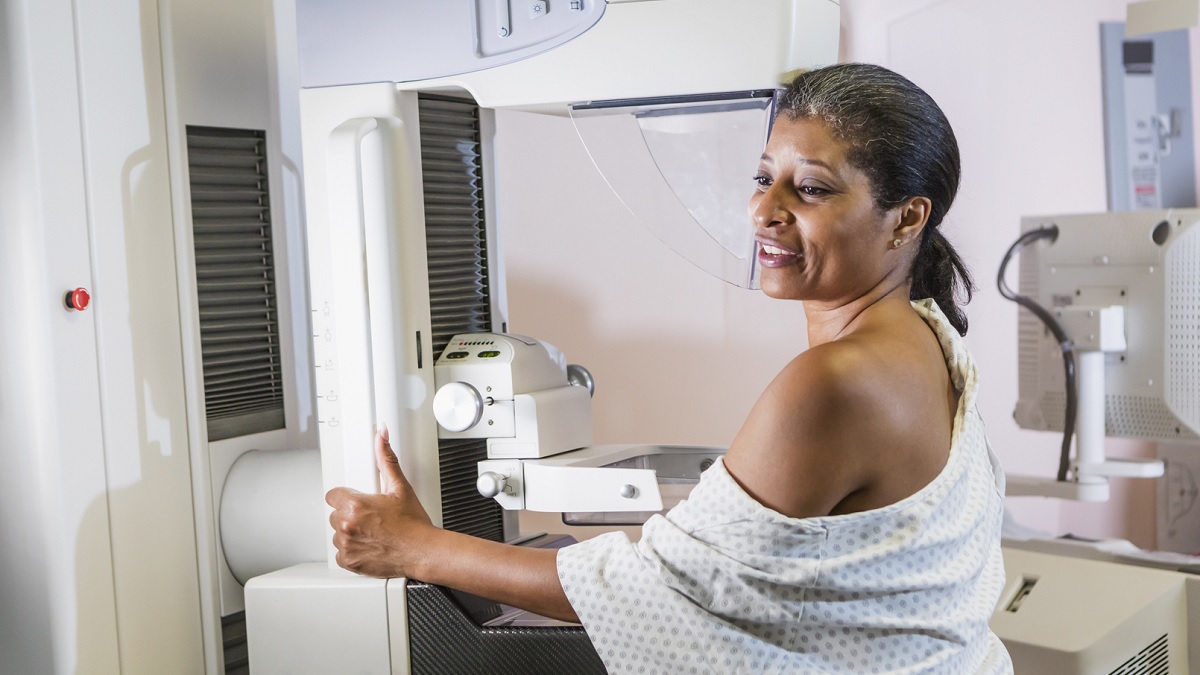
4. Cancer Screenings
Includes:
- Breast cancer screening
- Cervical cancer screening
- Prostate screening
5. Body Weight and BMI Assessment
Helps identify overweight or obesity risks.
Screening by Age Group
Young Adults (18–39)
- Blood pressure checks
- Lifestyle assessments
Middle-Aged Adults (40–59)
- Cholesterol tests
- Diabetes screening
- Cancer screening
Older Adults (60+)
- More frequent screenings
- Monitoring of chronic conditions
Risk-Based Screening
Some individuals may need earlier or more frequent screening based on:
- Family history
- Lifestyle factors
- Existing health conditions
Screening in South Africa
South Africa offers screening services through public and private healthcare systems. However, challenges include:
- Limited access in some areas
- Lack of awareness
- Delayed health-seeking behavior
Improving awareness is essential.
How to Prepare for Screening Tests
- Follow instructions from your healthcare provider
- Fast if required for certain tests
- Bring medical history information
Understanding Your Results
After screening:
- Discuss results with a healthcare provider
- Understand what the results mean
- Follow recommended next steps
When to Seek Medical Advice
Consult a healthcare provider if:
- You are unsure which screenings you need
- You have risk factors
- You notice unusual symptoms
Screening tests are an important part of preventive healthcare. By detecting conditions early, individuals can take action before problems become serious.
In South Africa, increasing awareness and access to screening can improve health outcomes and reduce the burden of disease.
Taking time for regular screening is an investment in long-term health.

Related Posts