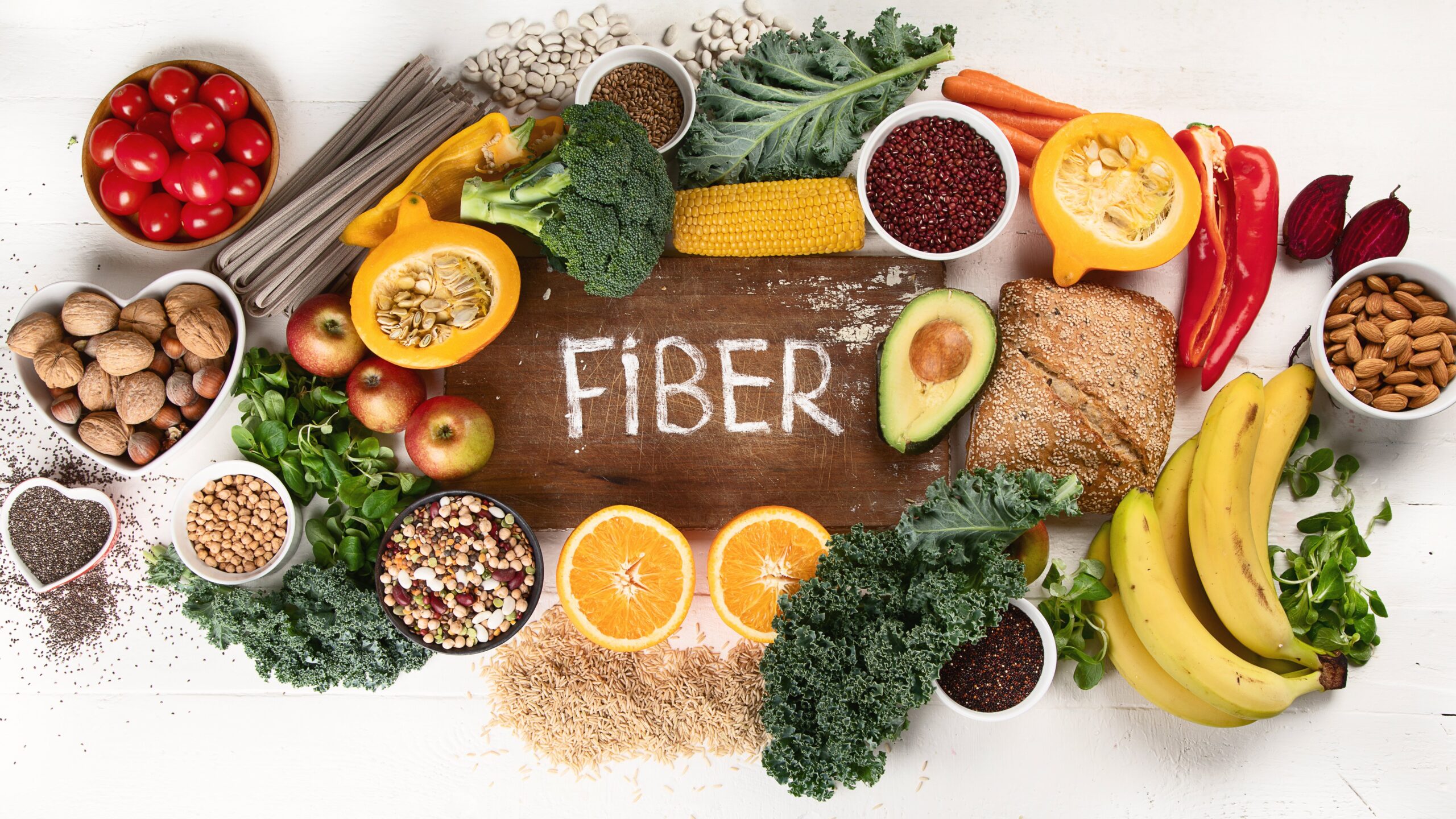
Dietary fiber is an essential part of a healthy diet, yet many people do not consume enough of it. Found mainly in plant-based foods, fiber plays a crucial role in digestion and overall health.
In South Africa, changing dietary patterns and increased consumption of processed foods have contributed to lower fiber intake. This can increase the risk of digestive problems and chronic diseases.
Understanding the importance of fiber and how to include it in your daily meals can help improve long-term health and well-being.
What Is Dietary Fiber?
Dietary fiber is a type of carbohydrate that the body cannot fully digest.
Unlike other carbohydrates, fiber passes through the digestive system relatively intact, providing several health benefits.
Types of Fiber
1. Soluble Fiber
- Dissolves in water to form a gel-like substance
- Helps lower cholesterol and blood sugar levels
2. Insoluble Fiber
- Does not dissolve in water
- Helps move food through the digestive system
Both types are important for maintaining good health.
Health Benefits of Fiber
1. Supports Digestive Health
Fiber helps regulate bowel movements and prevents constipation.
2. Helps Control Blood Sugar Levels
Slows the absorption of sugar, which can help manage diabetes.
3. Promotes Heart Health
Helps lower cholesterol levels and reduces the risk of heart disease.
4. Aids in Weight Management
High-fiber foods can increase feelings of fullness, helping control appetite.
5. Supports Gut Health
Fiber feeds beneficial bacteria in the gut.
The World Health Organization recommends increasing fiber intake as part of a healthy diet.
Daily Fiber Requirements
Recommended daily intake varies by age and gender, but general guidelines include:
- Adults: Approximately 25–30 grams per day
Many people consume less than this amount.
Best Sources of Fiber
Fruits
- Apples
- Bananas
- Oranges
Vegetables
- Spinach
- Carrots
- Broccoli
Whole Grains
- Oats
- Brown rice
- Whole wheat bread
Legumes
- Beans
- Lentils
- Chickpeas
Nuts and Seeds
- Almonds
- Chia seeds
- Sunflower seeds
Fiber Intake in South Africa
Dietary changes and increased consumption of processed foods have led to lower fiber intake in many communities.
Promoting whole, unprocessed foods can help improve fiber consumption.
Tips to Increase Fiber Intake
1. Choose Whole Grains
Replace refined grains with whole-grain options.
2. Eat More Fruits and Vegetables
Aim to include them in every meal.
3. Add Legumes to Meals
Incorporate beans and lentils into your diet.
4. Snack on Nuts and Seeds
Choose healthy snacks instead of processed foods.
5. Increase Fiber Gradually
Sudden increases may cause discomfort.
Possible Side Effects of Too Much Fiber
Consuming too much fiber too quickly may cause:
- Bloating
- Gas
- Abdominal discomfort
Drinking enough water can help reduce these effects.
When to Seek Advice
Consult a healthcare provider if:
- You have digestive issues
- You need help planning your diet
- You have a medical condition requiring dietary changes
Fiber is a vital component of a healthy diet, supporting digestion, heart health, and overall well-being. By including a variety of fiber-rich foods in your meals, you can improve your health and reduce the risk of chronic diseases.
In South Africa, increasing awareness about the importance of fiber can help promote healthier eating habits and better long-term health outcomes.

Related Posts