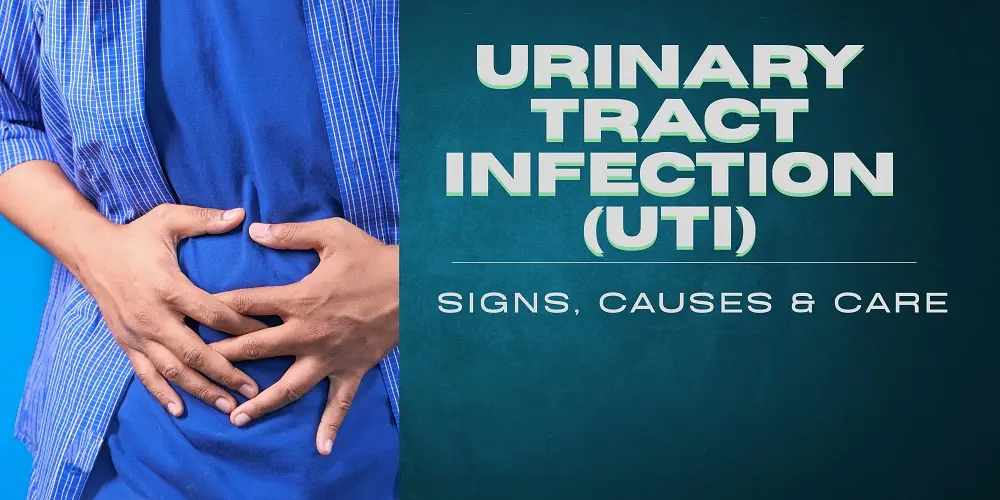
Urinary tract infections (UTIs) are common infections that affect the urinary system, including the bladder, urethra, and kidneys. They can cause discomfort and, if left untreated, may lead to more serious health problems.
UTIs affect people of all ages but are more common in women. In South Africa, factors such as hygiene practices, access to healthcare, and underlying health conditions can influence the occurrence of UTIs.
Understanding UTIs can help individuals recognize symptoms early, seek timely treatment, and take steps to prevent future infections.
What Is a Urinary Tract Infection (UTI)?
A UTI occurs when bacteria enter the urinary tract and multiply, causing infection.
The urinary system includes:
- Kidneys
- Ureters
- Bladder
- Urethra
Most UTIs affect the lower urinary tract, particularly the bladder.
Causes of UTIs
UTIs are usually caused by bacteria entering the urinary tract.
Common causes include:
- Poor hygiene
- Holding urine for long periods
- Sexual activity
- Use of certain personal products
- Weakened immune system
Risk Factors
Some individuals are more likely to develop UTIs.
These include:
- Women
- Pregnant individuals
- People with diabetes
- Individuals with urinary tract abnormalities
Symptoms of UTIs
Symptoms can vary but often include:
- Burning sensation during urination
- Frequent urge to urinate
- Cloudy or strong-smelling urine
- Lower abdominal pain
In more severe cases:
- Fever
- Back pain
- Nausea
Complications of Untreated UTIs
If not treated, UTIs can lead to:
- Kidney infections
- Recurrent infections
- Long-term kidney damage
How UTIs Are Diagnosed
Diagnosis usually involves:
- Medical history review
- Urine tests to detect bacteria
Treatment of UTIs
UTIs are typically treated with antibiotics prescribed by a healthcare provider.
Symptoms often improve within a few days of treatment.
Preventing UTIs
1. Maintain Good Hygiene
Proper cleaning can reduce bacterial spread.
2. Stay Hydrated
Drinking water helps flush bacteria from the urinary tract.
3. Do Not Delay Urination
Regular urination helps prevent bacterial buildup.
4. Urinate After Sexual Activity
Helps reduce the risk of infection.
5. Avoid Irritating Products
Certain products can disrupt natural balance.
UTIs in South Africa
Awareness and access to healthcare are important for early diagnosis and treatment.
Public health education can help reduce the prevalence of UTIs.
The World Health Organization emphasizes the importance of infection prevention and early treatment.
When to Seek Medical Advice
Consult a healthcare provider if:
- You experience symptoms of a UTI
- Symptoms persist or worsen
- You have recurrent infections
Urinary tract infections are common but treatable conditions. Recognizing symptoms early and seeking appropriate treatment can prevent complications.
In South Africa, improving awareness and hygiene practices can help reduce the risk of UTIs and improve overall health.
Taking preventive steps and maintaining good habits are key to urinary health.

Related Posts