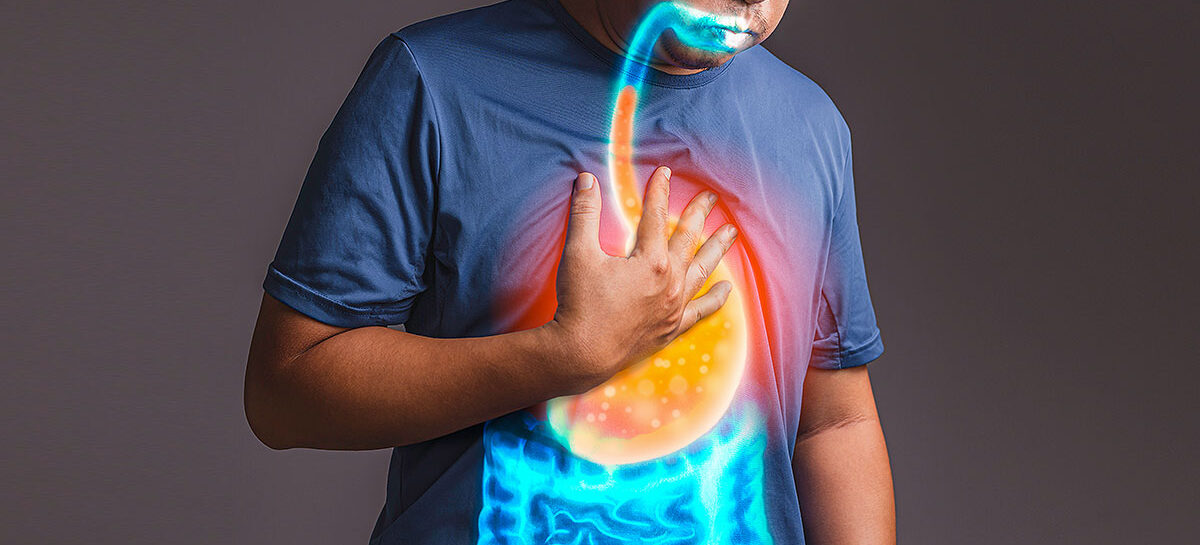
Gastroesophageal Reflux Disease (GERD), commonly known as acid reflux, is a digestive condition that occurs when stomach acid frequently flows back into the esophagus. This can cause discomfort and irritation over time.
Many people in South Africa experience occasional acid reflux, but when it becomes frequent or severe, it may indicate GERD. Without proper management, GERD can affect quality of life and lead to complications.
Understanding GERD can help individuals recognize symptoms early and take steps to manage the condition effectively.
What Is GERD?
GERD is a chronic condition where stomach acid repeatedly flows back into the esophagus.
This happens when the lower esophageal sphincter (LES), a muscle that acts as a valve, does not function properly.
Causes of GERD
Several factors can contribute to GERD.
1. Weak or Relaxed LES
Allows acid to move back into the esophagus.
2. Diet and Lifestyle
- Eating large meals
- Consuming fatty or spicy foods
- Drinking alcohol or caffeine
3. Obesity
Excess weight increases pressure on the stomach.
4. Smoking
Can weaken the LES.
5. Pregnancy
Hormonal changes and pressure on the stomach can trigger reflux.
Symptoms of GERD
Common symptoms include:
- Heartburn (burning sensation in the chest)
- Acid regurgitation
- Difficulty swallowing
- Chronic cough
- Sore throat
Symptoms may worsen after meals or when lying down.
Complications of GERD
If untreated, GERD can lead to:
- Esophagitis (inflammation of the esophagus)
- Narrowing of the esophagus
- Increased risk of certain complications
GERD in South Africa
Dietary habits and lifestyle factors contribute to the prevalence of GERD in South Africa.
Awareness and lifestyle changes can help manage the condition effectively.
How GERD Is Diagnosed
Diagnosis may involve:
- Medical history review
- Symptom evaluation
- Diagnostic tests if necessary
Treatment and Management
1. Lifestyle Changes
- Eat smaller meals
- Avoid lying down after eating
- Maintain a healthy weight
2. Dietary Adjustments
Avoid trigger foods such as:
- Fatty foods
- Spicy foods
- Caffeinated beverages
3. Medications
Certain medications can reduce acid production and relieve symptoms.
4. Elevating the Head During Sleep
Helps prevent acid reflux at night.
Preventing GERD
Preventive steps include:
- Maintaining a healthy weight
- Avoiding smoking
- Managing stress
- Eating balanced meals
When to Seek Medical Advice
Consult a healthcare provider if:
- Symptoms occur frequently
- Over-the-counter treatments do not help
- You experience difficulty swallowing
The World Health Organization emphasizes managing digestive health as part of overall well-being.
GERD is a common but manageable condition. By understanding its causes and symptoms, individuals can take steps to reduce discomfort and prevent complications.
In South Africa, adopting healthier lifestyle habits can play a key role in managing GERD and improving quality of life.
Early recognition and proper care can make a significant difference.

Related Posts